
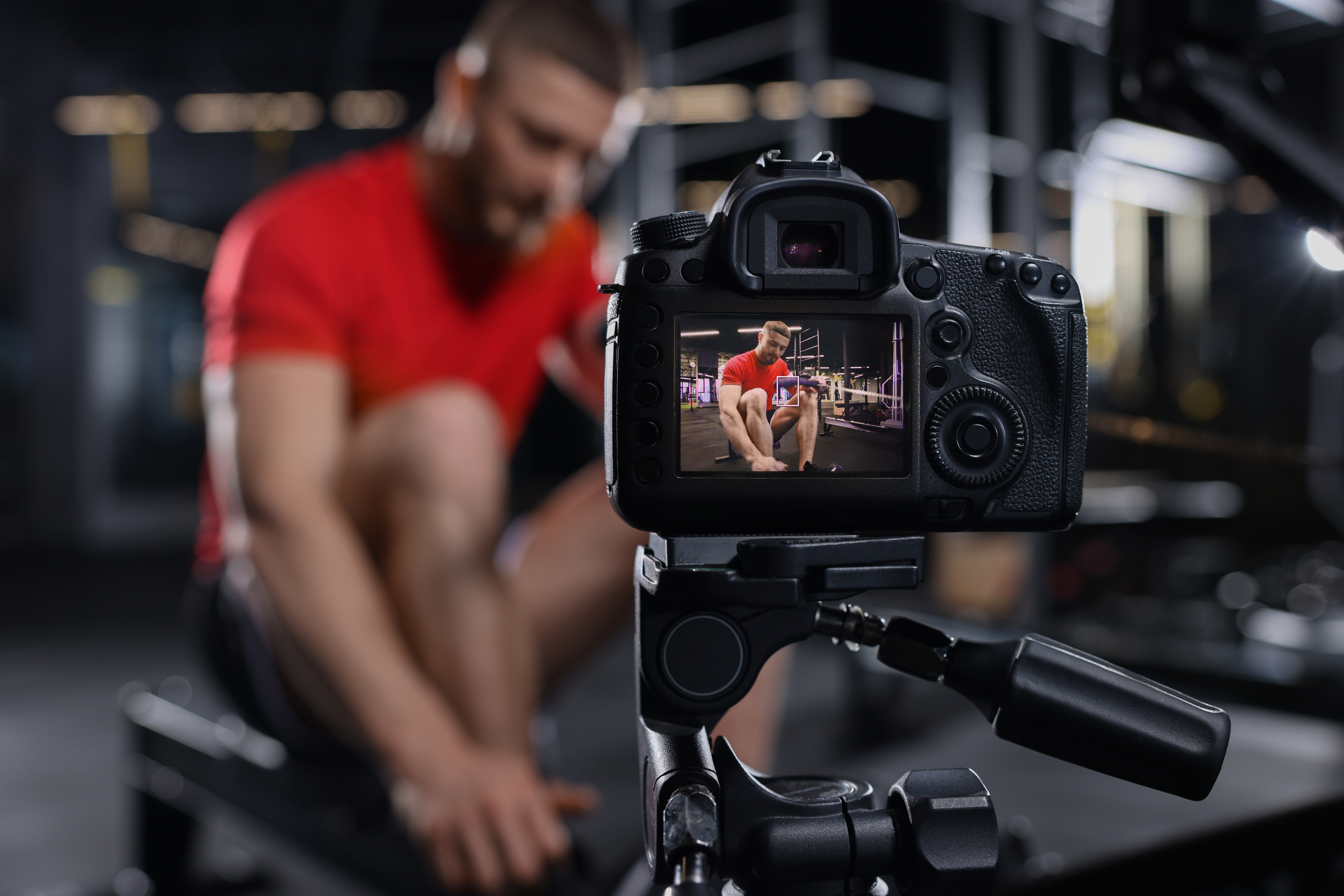
For many in Gen Z, going to the gym isn’t just about fitness anymore—it’s about risk management. What should be a private effort to build strength or relieve stress has turned into a public performance. With phones everywhere and social media content blurring the line between entertainment and surveillance, more young adults are skipping workouts to avoid being recorded, judged, or turned into viral content without their consent.
This shift isn’t just inconvenient—it’s reshaping how an entire generation approaches health. Instead of encouraging consistency and progress, the modern gym environment often fuels anxiety, self-consciousness, and avoidance. This article breaks down why Gen Z is walking away from public gyms, how they’re adapting, and what it takes to reclaim fitness as something personal, not performative.
Why Gen Z Is Walking Away From the Gym

For a growing number of Gen Z adults, the gym is no longer a place for self-improvement—it’s a source of anxiety. According to a recent survey by Levity, 80 percent of Gen Z gym-goers report feeling uncomfortable or anxious while working out. That figure is even higher among women, with 85 percent saying they feel uneasy in the gym environment. This discomfort isn’t just a matter of internal insecurity; it’s increasingly linked to very real external pressures, especially the pervasive fear of being secretly recorded during a workout. One in ten respondents admitted to filming someone at the gym without their consent. The risk of becoming digital content for someone else’s social media account—without warning or permission—is making people second-guess whether public gyms are worth the mental cost.
This surveillance culture has already changed behavior. One in three gym users say they’ve considered quitting or switching gyms due to unwanted attention, harassment, or social pressure. For Gen Z specifically, nearly one in five has already made that decision and left the gym entirely because of the fear of being recorded. What used to be a personal experience is now burdened by the possibility of going viral for all the wrong reasons—your posture, your outfit, your facial expression. The mental strain that comes from the idea of constantly being watched or judged isn’t abstract; it’s daily reality for many younger gym-goers.
Social media is amplifying this pressure. Platforms like TikTok and Instagram have shifted the narrative around fitness. What was once about movement and consistency is now often about performance, aesthetics, and public validation. According to the same survey, 37 percent of all gym users say social media content has discouraged them from going to the gym. Among women, that figure jumps to 44 percent. This isn’t just about self-comparison—it’s also about judgment. Content creators frequently post “cringe” gym videos, mocking people’s workouts, clothes, or appearance. The result is that more people are skipping the gym because they don’t want to end up as someone’s viral joke.
This shift has fundamentally changed what the gym represents. Instead of a space to focus on health and progress, many now see it as a high-pressure environment where every move might be scrutinized. For Gen Z, who already live much of their lives online, the idea of being involuntarily added to someone else’s highlight reel is not just invasive—it’s exhausting. The decision to skip the gym isn’t about laziness. It’s about self-preservation in a space that increasingly prioritizes optics over well-being.
How Gen Z Is Adapting to an Unsafe Fitness Culture
Faced with the discomfort and surveillance in public gyms, many Gen Z gym-goers aren’t just quitting—they’re adjusting their habits in noticeable ways to avoid unwanted attention. For some, this means changing how they dress. In fact, half of gym users in the Levity survey said they’ve modified their outfits to appear less noticeable or to avoid being targeted. Rather than dressing for comfort or performance, people are now dressing defensively—covering up more, avoiding eye-catching styles, and choosing function over trend, not for personal preference, but for self-protection.
Others are skipping workouts altogether when they don’t feel “camera-ready.” The idea of being judged for something as trivial as wearing a mismatched set or having a bad hair day has become enough of a deterrent to keep people at home. This shift isn’t about vanity—it’s about trying to avoid scrutiny in a setting that’s supposed to be focused on personal progress. With ring lights and tripods now common gym accessories, even a simple workout can feel like walking into a photo shoot you didn’t agree to be part of.

For those unwilling to give up fitness entirely, many are turning to smaller, more controlled workout environments. This includes boutique fitness studios, home workouts, or virtual fitness platforms where the threat of surveillance or harassment is minimized. Some are seeking out gyms with explicit no-filming policies or choosing times when the gym is less crowded. In other cases, people are creating private workout groups or participating in fitness communities built on mutual respect, where recording others without consent is not tolerated and peer support is prioritized over performance.
This kind of behavioral adaptation speaks to something deeper than just discomfort—it’s fatigue. The exhaustion of being constantly watched, judged, or potentially exposed online is driving people to alter not just how they move, but where and when they choose to move. The fact that gym-goers have to consider surveillance when planning a workout shows how far the culture has strayed from its intended focus: health, movement, and self-improvement.
How Social Media Turned Fitness Into a Performance

Social media hasn’t just influenced how people work out—it’s completely reshaped what working out means. For many in Gen Z, the gym is no longer a private space to focus on health or build strength. It’s now a highly visible stage where every movement, outfit, and expression could be scrutinized, rated, or ridiculed online. This shift didn’t happen by accident. Platforms like TikTok and Instagram thrive on visual content, and gym footage—especially when it’s controversial or “cringe”—is an easy way to go viral. That incentive has led some users to film strangers without consent, often under the guise of exposing poor form, strange behavior, or what they see as “gym fails.”
This environment has created a feedback loop: people go to the gym, get filmed without knowing, end up in a viral post, and others internalize that risk, choosing to either change how they behave—or not go at all. It’s not surprising that 37 percent of gym users, and 44 percent of women, say that social media fitness content has made them too discouraged to show up. These aren’t abstract numbers—they reflect a growing population of people who are opting out of public workouts because they fear being turned into content without their consent.

At the same time, social media sets unrealistic and often contradictory expectations. Influencers post curated workouts in full makeup and coordinated outfits under perfect lighting, reinforcing the idea that looking “aesthetic” matters more than showing up. Algorithms reward content that looks polished, dramatic, or emotionally extreme. For regular gym-goers, this creates a false standard: if your workout isn’t optimized for attention, is it even worth doing? This mindset undermines the real, everyday work of movement and health. It also pressures people into performative behavior—adjusting their routine not for better fitness outcomes, but to avoid online shame or aspire to influencer aesthetics.
The impact hits Gen Z hardest because they’ve grown up with phones in hand and platforms shaping their identities. They’re not just watching the shift—they’re living it. When the default expectation is that everything is recordable, postable, and judgeable, the gym stops being a space for progress and becomes a minefield of potential embarrassment. And in that equation, opting out entirely starts to look like a safer, smarter choice.
Creating a Judgment-Free Workout Environment

If the gym feels more like a stage than a sanctuary, you don’t have to give up on fitness altogether. Here are some practical ways to protect your privacy and make working out a more comfortable experience:
- Seek out gyms with no-camera policies: Many gyms are recognizing the issue and implementing no-filming rules. Before committing to a membership, ask directly if the gym enforces a no-recording policy and how violations are handled. A gym that prioritizes privacy will help you feel more at ease.
- Choose off-peak hours: If you’re already locked into a gym membership, consider working out during slower times—early mornings, mid-afternoons, or weekends when the gym isn’t crowded. Fewer people means less chance of being filmed or judged by strangers.
- Try home or virtual workouts: With so many options now available online, you can follow fitness programs via YouTube, apps, or livestream classes, all without worrying about appearance or being recorded. Home workouts can still offer great results and let you exercise in private.
- Build a small, supportive fitness circle: Whether in person or online, working out in a trusted, smaller group can provide a judgment-free zone. Look for workout buddies or smaller fitness communities where respect is prioritized over performance or appearance.
- Refocus your fitness goals: Instead of aiming for aesthetics or public validation, shift the emphasis of your workouts to how they make you feel. Fitness should be about improving your health, managing stress, and feeling stronger—not about creating content for social media.
- Dress for comfort and confidence: Wear what makes you feel at ease, whether that’s a simple, functional outfit or something more trendy. The key is wearing clothes that allow you to focus on your workout, not on how others might perceive you.
By setting boundaries around how and where you work out, you can create a fitness routine that centers on personal progress, not public scrutiny. These small changes can help you take back control, making fitness an empowering, private experience once again.ke fitness a personal, empowering experience—without the stress of being watched or judged.
Prioritizing Health Over Social Media

In today’s gym culture, where fitness is increasingly viewed through the lens of social media, many Gen Z individuals are stepping back. The fear of being filmed without consent, judged, or turned into viral content has created a shift in how they approach fitness—opting for environments that prioritize privacy and well-being over performance. The gym, once a place for personal growth, has transformed into a stage where every movement might be scrutinized.
But fitness doesn’t have to be about keeping up with trends or meeting external expectations. It’s about feeling better, moving with purpose, and taking care of your body. As the fitness world continues to evolve, it’s crucial for both gyms and individuals to reclaim the core essence of exercise—health and self-improvement—without the pressure to perform for an audience.
Whether it’s choosing a quieter gym, embracing virtual fitness options, or simply shifting focus from aesthetics to well-being, Gen Z is finding new ways to stay active while protecting their mental health. Fitness is a personal journey, and it should feel like one. The goal is clear: find what works for you, without the fear of judgment or surveillance. Because at the end of the day, movement is for you, not for the camera.
