
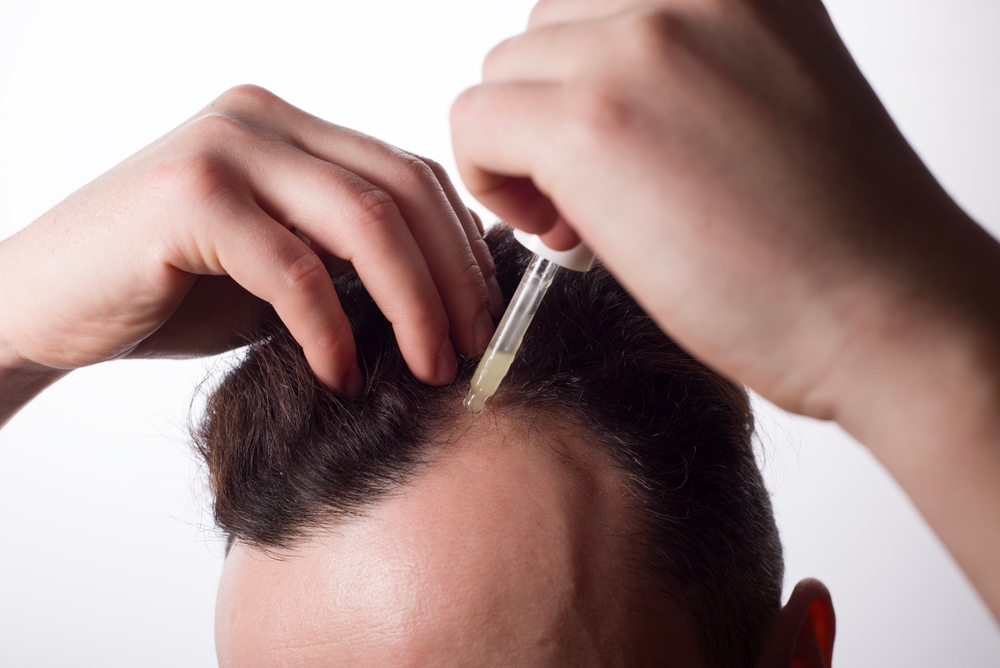
For years, people struggling with hair loss have searched for a true solution that could restore confidence and vitality. Now, a team of researchers in Taiwan may have found a promising new approach that could change how we think about baldness. In a groundbreaking experiment, scientists at National Taiwan University discovered that a specially designed serum helped regrow hair in laboratory mice within just 20 days. While the treatment is still in early stages and not yet approved for human use, its potential impact on hair regeneration and overall scalp health is turning heads in the scientific community.
This research has sparked curiosity across the wellness world, with many asking what this could mean for those dealing with pattern baldness, thinning hair, and age related hair loss. Let’s explore the science behind this discovery, its safety considerations, and what steps you can take now to support natural hair growth while waiting for future treatments.

Understanding the Science Behind the 20 Day Hair Growth Serum
The research conducted at National Taiwan University explored the link between fat metabolism under the skin and hair follicle regeneration. The scientists noticed that when the skin experiences minor wounds, the fat cells located beneath it release a signal that encourages nearby hair follicles to re enter their growth phase. This signal is triggered by a process called lipolysis, where stored fat breaks down into fatty acids that serve as chemical messengers.
By replicating this natural process, the team developed a topical serum that accelerates the release of specific fatty acids, encouraging the activation of dormant hair follicle stem cells. Within 20 days, mice treated with the serum began to grow new hair, while untreated subjects showed no changes. The results suggest that controlling the fat cell communication in the skin may be a key to unlocking new hair growth.
The serum, according to preliminary data, stimulates the hair follicle environment without directly altering genetic material. Instead, it enhances the body’s existing regenerative capacity. Scientists believe this could eventually lead to treatments that restore hair density and thickness more efficiently than current methods like minoxidil or finasteride.
However, it is important to emphasize that these results have only been observed in animal models so far. The researchers are now focusing on safety evaluations and the potential for human trials to confirm the serum’s effectiveness.

How Fat Cells Influence Hair Growth
At first glance, it might seem surprising that fat cells have anything to do with hair growth. Yet these cells play an essential role in maintaining the health of the skin and its follicles. Beneath the skin surface lies a layer of adipose tissue that communicates constantly with hair follicles through chemical signals. When these fat cells are active and healthy, they help regulate inflammation, supply nutrients, and maintain the proper balance of hormones needed for hair to thrive.
In the Taiwanese study, researchers found that by promoting lipolysis, the breakdown of fat into energy and signaling molecules, the skin produced oleic acid, a monounsaturated fatty acid known for its role in cell renewal. Oleic acid then triggered the follicles to restart their growth phase, known as the anagen phase.
This connection between fat cells and hair regeneration has broader implications for other types of hair loss, including stress related or inflammatory hair thinning. If future studies confirm these effects in humans, it could lead to new non invasive therapies designed to reactivate natural repair pathways in the scalp.
How This Serum Differs from Existing Hair Loss Treatments
Traditional hair loss treatments such as minoxidil and finasteride target hormonal imbalances or blood circulation around hair follicles. While effective for some people, these treatments come with limitations and potential side effects, including scalp irritation, sexual dysfunction, or dependency on continuous use.
The experimental serum offers a more biological approach. Instead of altering hormone levels or artificially stimulating the scalp, it works with the skin’s own cells to encourage regrowth. By focusing on cellular regeneration and communication, it aims to restore natural hair growth cycles rather than force them.

Additionally, researchers are exploring whether combining the serum with natural compounds, such as peptides, plant based antioxidants, or omega rich oils, could enhance its regenerative effects. This combination of science and nature may hold the key to healthier, fuller hair without the drawbacks of traditional medications.
However, experts caution that despite the encouraging results, human hair follicles differ from those of mice. The next phase of research will determine whether the same mechanisms can safely and effectively stimulate human hair growth.
Safety and Ethical Considerations
Whenever a new biomedical breakthrough emerges, safety remains the foremost concern. The serum’s developers have stressed that it is not yet available for public use, and its long term effects on humans remain unknown. Early studies on animals showed no toxicity or inflammation, but comprehensive human trials are necessary before it can be deemed safe.
Moreover, ethical researchers are ensuring that the focus remains on improving well being rather than promoting unrealistic beauty standards. Hair loss, after all, can result from various factors including genetics, hormonal changes, autoimmune conditions, and chronic stress, and addressing these underlying issues remains vital.
The public should also be cautious of online products claiming to replicate the NTU serum. Until official trials conclude, any commercial products making such claims should be viewed skeptically. Genuine science takes time, testing, and transparency.
Natural Ways to Support Hair Growth While Research Continues
While the scientific community continues to explore advanced solutions, there are evidence backed, natural strategies that can support hair growth and scalp health:
- Nourish with a balanced diet: Hair growth depends on nutrients such as biotin, zinc, vitamin D, and iron. Including foods like eggs, spinach, sweet potatoes, and nuts can support follicle health.
- Massage your scalp regularly: Gentle massage increases circulation and promotes relaxation, which can help improve nutrient delivery to hair roots.
- Choose natural oils: Coconut, rosemary, and castor oils contain compounds that can moisturize the scalp and stimulate hair follicles.
- Manage stress: Chronic stress elevates cortisol, which can lead to hair thinning. Practices such as yoga, deep breathing, and mindfulness have shown benefits for both hair and overall health.
- Protect your hair from damage: Avoid excessive heat styling, harsh chemicals, and tight hairstyles that pull on the roots. A gentle approach helps prevent breakage and supports long term hair strength.
Combining these steps can create an internal and external environment where hair growth can flourish naturally, even before innovative treatments like the NTU serum reach the market.

What This Breakthrough Means for the Future of Hair Health
If further research confirms the serum’s success in humans, it could redefine how we address hair loss conditions such as androgenetic alopecia and telogen effluvium. Instead of relying solely on medications or transplants, future treatments might target the body’s own regenerative signals to restore hair growth safely and sustainably.
This breakthrough also expands our understanding of how skin, fat cells, and hair follicles interact as part of a broader biological system. It reinforces the importance of overall metabolic health because how we eat, sleep, and manage stress can all influence our body’s natural regenerative potential.

Even if the serum takes years to reach consumers, this discovery offers hope that science is moving closer to addressing one of the most persistent aesthetic and psychological challenges people face. The key takeaway is that supporting your overall health today lays the foundation for better hair health tomorrow.
Additionally, researchers believe this kind of regenerative medicine could extend beyond hair restoration. The same mechanisms that encourage follicle activation may also improve wound healing and skin rejuvenation, suggesting potential for broader dermatological applications. This represents an exciting step toward therapies that not only restore appearance but also strengthen the body’s innate repair systems.
A Fresh Outlook on Hair and Health
Hair is often seen as a reflection of vitality, confidence, and well being. The Taiwanese study opens new doors for understanding how our bodies can heal and regenerate naturally. Though the serum still requires rigorous testing, its principles align with holistic health, using the body’s own intelligence to repair and restore itself.
While we wait for scientific advancements to reach consumers, remember that small, consistent habits in nutrition, stress management, and self care already contribute greatly to the health of your hair and scalp. True wellness comes from balance, and that includes nurturing both your inner and outer self.
In addition, experts are now exploring how lifestyle patterns such as sleep quality, hydration, and micronutrient balance influence the cellular environment of hair follicles. Restful sleep helps regulate hormone levels that control follicle cycles, while proper hydration keeps the scalp supple and encourages nutrient transport to the roots. These small, daily routines create an optimal internal ecosystem for strong and healthy hair.
Another important perspective involves emotional well being. Studies have shown that chronic anxiety and elevated cortisol can disrupt hair growth and cause premature shedding. By practicing emotional awareness, spending time outdoors, and fostering supportive relationships, you can help reduce hormonal stress responses that damage hair follicles. Prioritizing mental health ultimately nourishes the same biological systems that keep your hair vibrant.
