
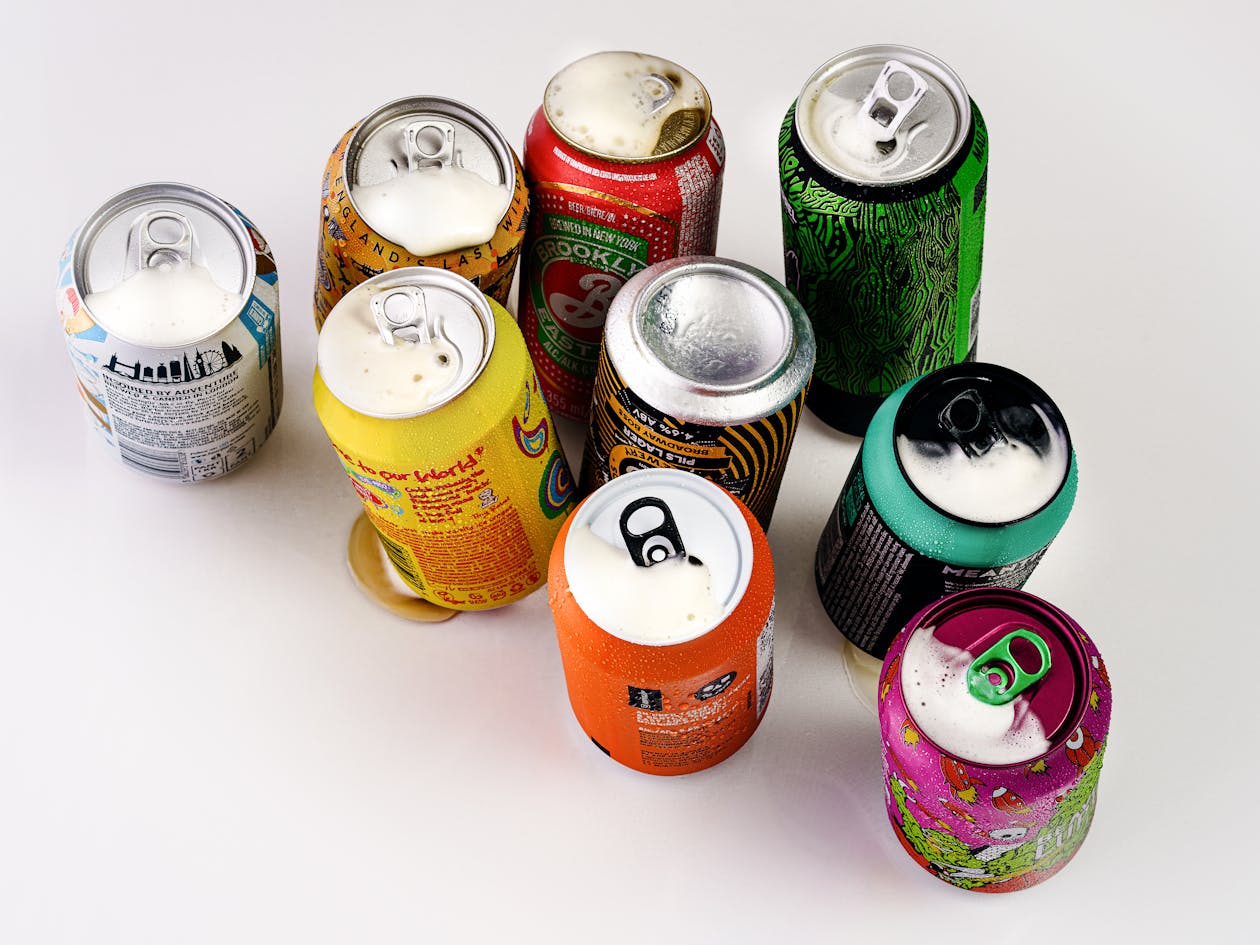
That can of energy drink sitting in your fridge might be hiding a dark secret. Scientists at the University of Rochester just dropped a bombshell that’s making waves through the medical community, and it involves an ingredient found in almost every energy drink on the market. Their research suggests that taurine, the substance that gives you wings, might also be providing cancer cells with precisely what they need to thrive.
Before you panic and dump every energy drink down the drain, let’s be clear: this isn’t about healthy people suddenly developing cancer from their pre-workout boost. However, what researchers have discovered about how blood cancers fuel themselves is enough to make anyone think twice about what they’re putting in their bodies. The findings are especially concerning for people already battling leukemia or those at risk for blood cancers.
The study, published in the prestigious journal Nature, reveals how something we’ve always thought of as harmless—or even beneficial—might be playing for the wrong team when it comes to fighting cancer. And the implications stretch far beyond your favorite energy drink.
The Shocking Discovery That Has Scientists Worried
Dr. Jeevisha Bajaj and her team at the Wilmot Cancer Institute weren’t aiming to dismantle the energy drink industry when they began their research. They were trying to understand why some leukemia cells are so aggressive and hard to kill. What they found instead was a cellular conspiracy involving one of the most common supplements in the world.
The research began with a simple observation: leukemia cells appeared to be absorbing something from their environment that facilitated their faster growth. Through painstaking experiments, the team discovered that this “something” was taurine—the same amino acid that energy drink companies have been putting in their products for decades.
“We are very excited about these studies because they demonstrate that targeting uptake by myeloid leukemia cells may be a possible new avenue for treatment of these aggressive diseases,” said Dr. Bajaj, whose enthusiasm comes from finding a potential weakness in cancer’s armor, not from demonizing energy drinks.
What makes this discovery particularly jaw-dropping is that taurine has always been considered one of the good guys. It’s naturally produced in our bodies, found in foods like meat and fish, and has been linked to benefits for the heart and brain. Nobody suspected it might have a dark side—until now.
What They Found: Taurine Feeds Cancer Cells Like Rocket Fuel

Here’s where things get interesting—and a bit scary. The researchers discovered that leukemia cells are essentially addicted to taurine. They can’t produce it themselves, so they’ve developed a sneaky way to steal it from their surroundings. Think of cancer cells as thieves with a special tool (a transporter called SLC6A6) that lets them break into the body’s taurine storage and grab as much as they want.
Once these cancer cells obtain taurine, they utilize it like high-octane fuel. The research showed that taurine promotes something called glycolysis—basically, it helps cancer cells break down glucose to produce energy. More energy means faster growth, and quicker growth means more aggressive cancer.
The team’s experiments painted a clear picture: when they gave mice with leukemia extra taurine, the cancer grew faster and the mice died sooner. But when they blocked the cancer cells’ ability to take up taurine, something remarkable happened. The cancer cells struggled to survive, and the mice lived significantly longer. In some cases, blocking taurine uptake resulted in a dramatic increase in survival rates.
What’s particularly clever (and terrifying) about these cancer cells is how dependent they’ve become on this external taurine supply. It’s as if they’ve evolved to exploit something readily available in our bodies and diets. The researchers found that as leukemia progresses, the bone marrow starts producing more taurine, creating a vicious cycle where the cancer essentially trains the body to feed it better.
The Energy Drink Connection Nobody Saw Coming

This is where your Monster, Red Bull, or pre-workout supplement comes into play. Taurine is a star ingredient in the energy drink world, with some cans containing up to 1,000 milligrams per serving. It’s also common in protein powders and fitness supplements. The marketing pitch has always been that taurine improves athletic performance, mental focus, and overall energy—all positive things for healthy people.
But the Rochester team’s findings cast a shadow over these benefits, at least for certain people. Cancer patients, particularly those with blood cancers, might unknowingly be feeding their disease every time they reach for a taurine-containing supplement. The cruel irony is that many cancer patients turn to supplements to feel better during treatment, not realizing they might be helping their cancer grow stronger.
The researchers were careful with their words, but their message was clear: “Since taurine is a common ingredient in energy drinks and is often provided as a supplement to mitigate the side effects of chemotherapy, our work suggests that it may be of interest to carefully consider the benefits of supplemental taurine in leukemia patients.”
That’s scientist-speak for “Hey, this could be a real problem.” It’s particularly concerning because taurine supplements are often recommended to cancer patients to help with treatment side effects. Nobody thought to check if they might also be helping the cancer itself.
How Your Body’s Own Taurine Factory Works Against You

To understand why this discovery is so significant, it is essential to know about your body’s taurine production system. Typically, your liver, kidneys, and other organs produce taurine from the amino acid cysteine. It’s a natural process that helps keep your heart, brain, and muscles healthy.
But the Rochester team discovered something nobody expected: bone marrow cells, particularly those called osteolineage cells, also produce taurine. And here’s the kicker—when leukemia develops, these cells start cranking out more taurine, like a factory responding to increased demand.
The research showed that during leukemia progression, there is an increase in taurine present in the bone marrow fluid. It’s as if the cancer has hijacked the body’s production system, turning it into a supply chain for the very fuel it needs to grow. The cancer cells sit there with their special transporters, ready to grab every molecule of taurine they can find.
This creates what scientists call a “microenvironment”—basically, the cancer’s neighborhood. And in this case, the tumor has turned its neighborhood into an all-you-can-eat buffet of taurine. The more the disease progresses, the more taurine becomes available, and the faster the cancer can grow. It’s a deadly feedback loop that helps explain why some leukemias are so aggressive and hard to treat.
The Science Behind the Scare: What the Experiments Showed

The evidence from the laboratory experiments is hard to ignore. When researchers gave mice with leukemia taurine supplements in their water, the results were stark. These mice developed more aggressive disease and died much sooner than mice that didn’t get extra taurine. We’re not talking about slight differences here—the impact was dramatic enough to catch the researchers’ attention.
But the real breakthrough came when they did the opposite experiment. Using genetic tools, they created mice whose leukemia cells were unable to take up taurine. These mice lived 40% longer than normal mice with the same cancer. In some experiments, the survival advantage was even greater when they tested a different type of leukemia; 70% of the mice without taurine transport survived, compared to zero percent in the normal group.
The team didn’t stop with mice. They also tested human leukemia cells in the lab and found the same pattern. When they blocked taurine uptake in human cancer cells, the cells struggled to grow, and many of them died. But when they added taurine to the culture dishes, the cancer cells thrived. The consistency across different types of experiments and other species made the findings impossible to dismiss.
Dr. Jane Liesveld, an oncologist who treats leukemia patients and co-authored the study, put the findings in perspective: “Dr. Bajaj’s work shows that local levels of taurine in bone marrow may enhance leukemia growth, suggesting caution in use of high-dose taurine supplementation.”
Should You Panic About Your Red Bull? Here’s What Experts Say

Before you swear off energy drinks forever, let’s put this research in context. The study focused on people who already have leukemia, not on whether taurine causes cancer in healthy people. No evidence suggests that drinking energy drinks will cause leukemia in healthy individuals. The concern is specifically about people with existing blood cancers potentially making their disease worse.
That said, the findings do raise questions about long-term high-dose taurine consumption, especially for people with risk factors for blood cancers. The researchers aren’t calling for a ban on energy drinks, but they are suggesting that we need to think more carefully about who should be consuming large amounts of taurine.
For cancer patients, the message is clearer: talk to your oncologist before taking any supplements, including taurine. What seems like a harmless energy booster could potentially interfere with your treatment or accelerate your disease. This is especially important because taurine is often marketed to cancer patients as a way to reduce chemotherapy side effects.
The researchers are calling for more studies to measure taurine levels in leukemia patients and to gain a better understanding of how dietary taurine affects cancer progression. Until we have more information, they’re advocating for caution, particularly for people already fighting blood cancers.
What This Means for Cancer Treatment (And Your Daily Habits)
The silver lining in this research is that it opens up entirely new possibilities for treating leukemia. If cancer cells are dependent on taurine, then blocking their ability to utilize it could be a powerful therapeutic approach. The researchers are already working on developing drugs that could prevent cancer cells from taking up taurine, essentially starving them of their favorite fuel.
This approach is inspiring because it targets a specific characteristic of cancer cells. Normal cells can produce their taurine or survive without it, but cancer cells have become dependent on stealing it from their environment. That addiction could be their downfall.
For the average person, this research serves as a reminder that supplements aren’t always harmless, especially when taken in large doses or for specific health conditions. Energy drinks may give you a temporary boost, but if you have risk factors for blood cancers or are currently undergoing treatment, that boost may come at a price.
If you’re healthy, an occasional energy drink won’t harm you. But if you’re dealing with cancer or have a family history of blood cancers, it’s worth having a conversation with your doctor about your taurine intake. Sometimes the most potent medical discoveries come from looking at familiar things in new ways, and this research certainly gives us a new perspective on that can of energy drink.
