
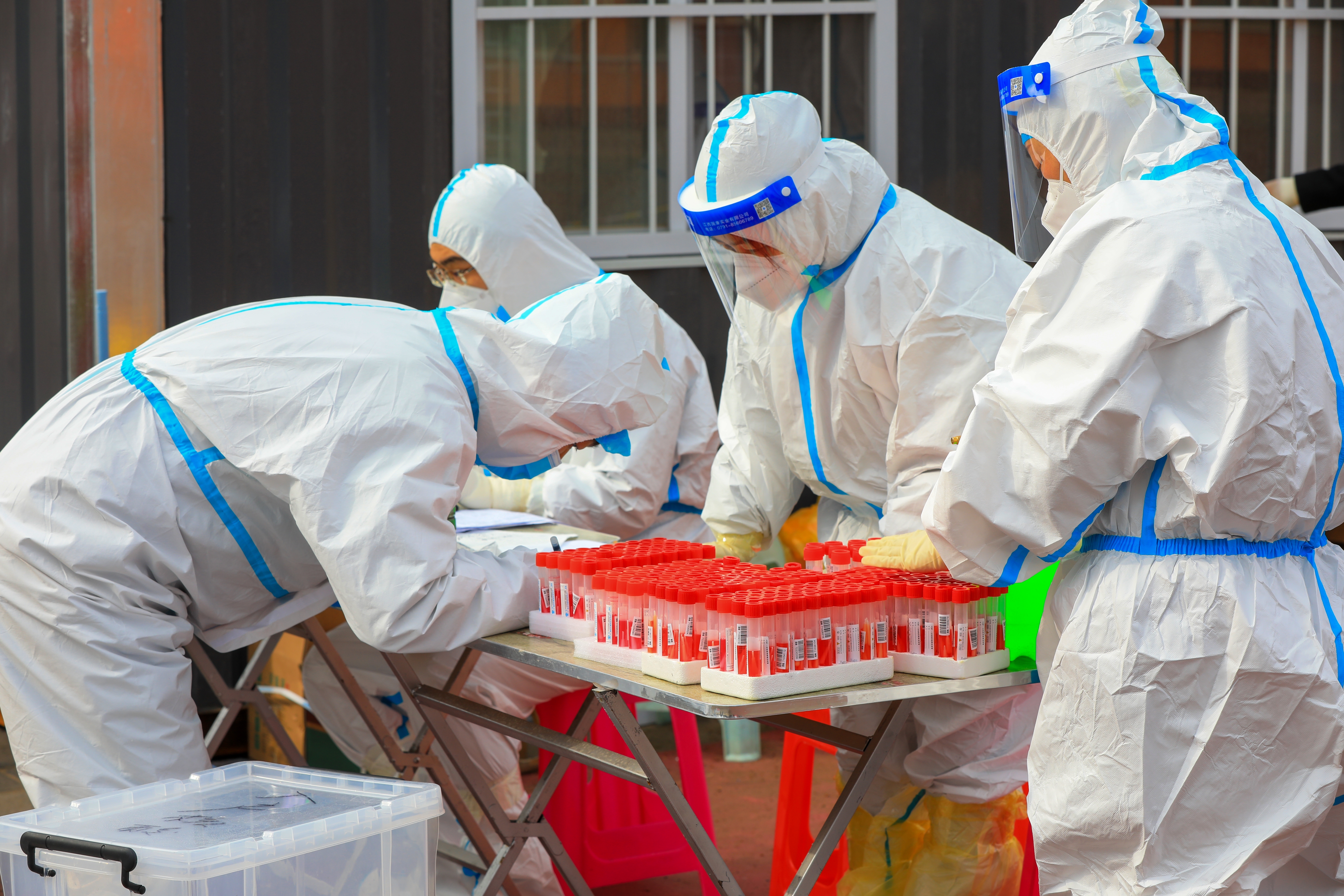
A new coronavirus, HKU5-CoV-2, has been identified in bats in China, raising concerns among researchers about its potential to infect humans. Scientists at the Wuhan Institute of Virology discovered that this virus shares similarities with both SARS-CoV-2, the virus behind COVID-19, and MERS-CoV, a deadlier strain known to cause severe respiratory illness. While no human cases have been reported, early studies indicate that HKU5-CoV-2 can infect human cells, prompting calls for continued surveillance and research.
Experts emphasize that not every newly discovered virus leads to a pandemic, but understanding their potential risks is crucial for public health preparedness. With previous coronavirus outbreaks like SARS, MERS, and COVID-19 originating from animal-to-human transmission, researchers are closely monitoring HKU5-CoV-2 to assess its ability to spread between species. Ongoing studies aim to determine whether this virus poses a real-world threat or remains confined to its animal hosts.
What Is This New Coronavirus?

HKU5-CoV-2 is a newly identified coronavirus belonging to the merbecovirus family, a group of viruses known to infect both animals and humans. Researchers discovered it in bats, which are natural reservoirs for many coronaviruses, including SARS and MERS. Genetic sequencing revealed that HKU5-CoV-2 is closely related to both MERS-CoV, which has a high fatality rate, and HKU5-CoV-1, another bat coronavirus first detected in 2006.
What makes HKU5-CoV-2 particularly concerning is its ability to bind to human cell receptors, specifically ACE2, the same entry point used by SARS-CoV-2. This suggests that, under the right conditions, it could potentially infect humans. However, early experiments indicate that HKU5-CoV-2 does not enter human cells as easily as SARS-CoV-2, which may reduce its ability to spread widely.
The virus was identified through genetic analysis of bat samples collected more than a decade ago. While its discovery does not mean an imminent pandemic, scientists are monitoring it closely to understand whether it could jump from animals to humans, as previous coronaviruses have done.
How Is It Different From Other Coronaviruses?
HKU5-CoV-2 shares genetic similarities with both SARS-CoV-2, the virus that caused COVID-19, and MERS-CoV, which has a much higher fatality rate. However, it differs in key ways that affect its potential to spread and cause disease in humans.
One of the biggest concerns with HKU5-CoV-2 is that it can bind to human ACE2 receptors, the same mechanism SARS-CoV-2 uses to enter human cells. This means the virus has the structural ability to infect humans, but studies suggest it does not do so as efficiently as the COVID-19 virus. In contrast, MERS-CoV uses a different receptor called DPP4, which affects the way it spreads and the severity of illness it causes.
Compared to SARS-CoV-2, HKU5-CoV-2 appears to have a lower ability to infect and replicate in human cells. While COVID-19 rapidly spread from person to person, leading to a global pandemic, HKU5-CoV-2 has not yet been detected in humans, and its potential for human-to-human transmission remains unknown. However, its close relationship to MERS-CoV, which has a fatality rate of up to 35%, underscores the need for continued surveillance and research.
Scientists stress that while HKU5-CoV-2 has certain pandemic-like traits, it has not yet shown the ability to spread among humans. Monitoring coronaviruses in bats and other animals remains crucial to detecting potential threats before they emerge as public health crises.
Should We Be Concerned?

New viruses are discovered all the time, but not all of them pose a threat to humans. HKU5-CoV-2 has caught scientists’ attention because it can bind to human cells, but it doesn’t infect them as efficiently as the COVID-19 virus. So far, there have been no reported human cases, which means it hasn’t made the leap from animals to people. However, researchers are keeping a close watch because history has shown that viruses can evolve and adapt.
Coronaviruses like SARS and MERS also started in bats before spreading to humans through other animals. MERS, in particular, has a high fatality rate, so any virus related to it raises concerns. Even though HKU5-CoV-2 is not currently a danger, experts stress the importance of early detection and research to stay ahead of potential outbreaks.
The takeaway? There’s no need to panic, but staying informed matters. Scientists are working to understand this virus better, and public health systems worldwide are improving their ability to catch emerging threats early. The goal is to be prepared, not alarmed, because the best defense against future pandemics is knowledge and vigilance.
Staying Ahead of the Next Pandemic Threat

Scientists keep a close eye on new viruses because early detection can make all the difference. By studying viruses found in animals, especially bats, researchers can assess whether they have the potential to jump to humans. HKU5-CoV-2 isn’t an immediate threat, but tracking its evolution helps scientists prepare for any future risks.
Preventing outbreaks isn’t just about monitoring viruses—it’s about taking action before a crisis unfolds. Strengthening healthcare systems, investing in antiviral treatments, and enforcing strict safety measures in laboratories and live animal markets all help reduce the chances of another pandemic. Countries that prioritize surveillance can detect new threats faster and contain them before they spread.
New viruses will always emerge, but that doesn’t mean every discovery should cause alarm. What matters most is having the right systems in place to respond quickly. Science, preparation, and awareness are our best defenses against the next potential outbreak.
Learning From the Past to Protect the Future
The emergence of HKU5-CoV-2 is a reminder that nature is constantly evolving, and so must our approach to public health. While this virus has similarities to past coronaviruses, it hasn’t yet made the leap to humans, and there’s no indication that it will. Rather than fearing every new discovery, the focus should be on strengthening early detection and response systems to prevent future outbreaks before they start.
If COVID-19 taught the world anything, it’s that preparedness is everything. Investing in scientific research, improving healthcare infrastructure, and maintaining global surveillance efforts can mean the difference between containment and crisis. The goal isn’t just to react to threats but to stay ahead of them.
Viruses will continue to emerge, but panic is never the answer—progress is. By applying lessons from the past and using science as our guide, we can build a world that is more resilient, more informed, and better equipped to handle whatever comes next.
