
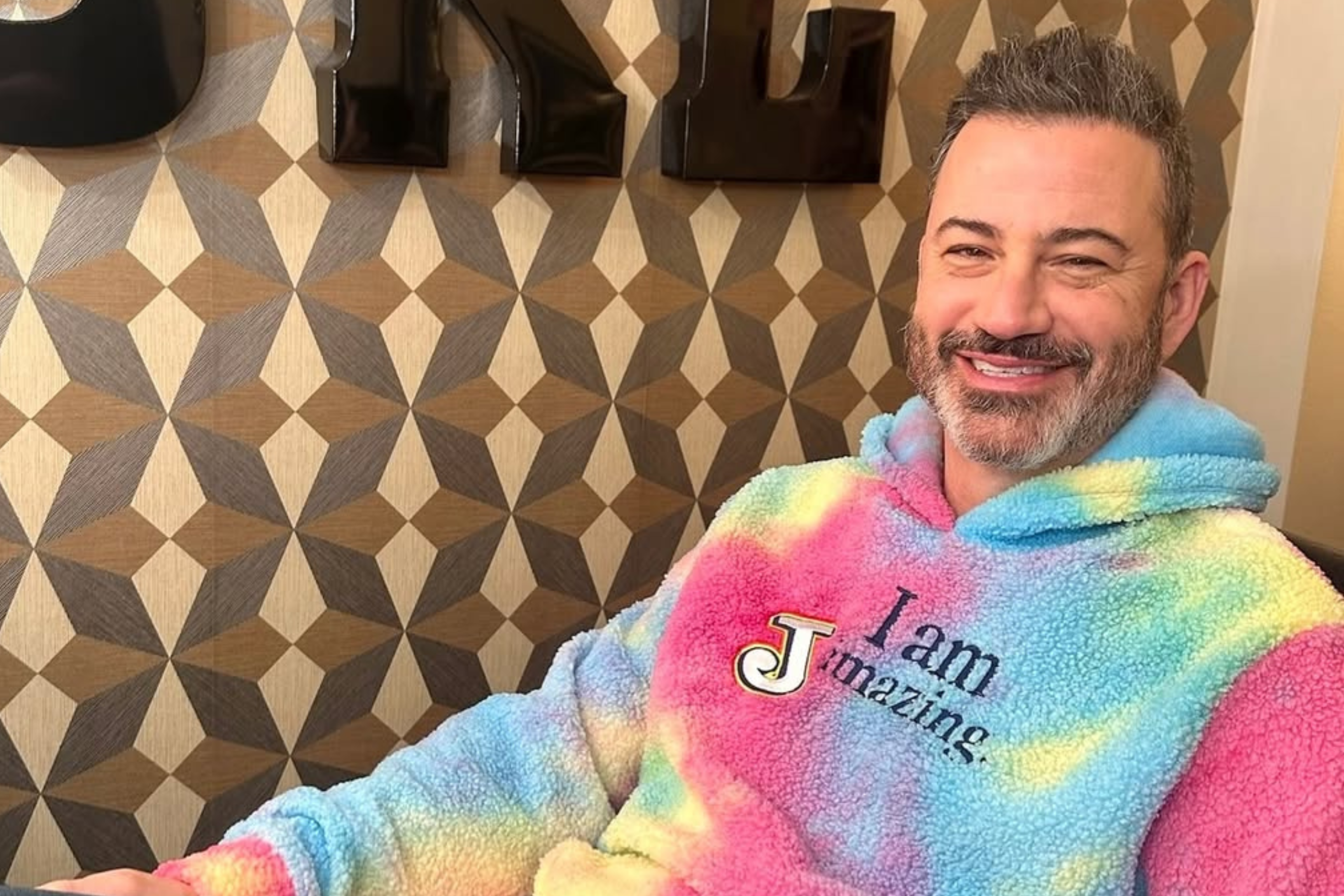
When Jimmy Kimmel returned to late-night television after a week-long suspension, the moment was bigger than comedy. His sharp remarks about Donald Trump made headlines, but what stood out most was the mix of humor, stress, and compassion on display. Kimmel’s monologue reminded audiences that late-night TV is more than entertainment; it’s also a mirror of how we deal with pressure, conflict, and forgiveness in everyday life. His words sparked a national conversation not only about politics and free speech, but also about how laughter and empathy can shape our mental health and collective wellbeing.

What Happened: Kimmel’s Suspension and Return
Kimmel’s temporary removal stemmed from an episode that blended politics, satire, and tragedy in a way that divided audiences. In his commentary on the assassination of conservative activist Charlie Kirk, he juxtaposed news clips of Donald Trump avoiding direct remarks on the killing and pivoting instead to talk about renovations. What might have been just another late-night bit took on sharper stakes because it touched on violence, grief, and political loyalty. The following day, ABC announced the show would be “pre‑empted indefinitely,” creating uncertainty about whether the move was disciplinary, strategic scheduling, or a cautious pause amid controversy.
The suspension highlighted how vulnerable late-night programs are to both public pressure and corporate caution. Unlike scripted dramas, talk shows are written daily, thrive on topical humor, and carry the risk of backlash when satire intersects with sensitive events. The ambiguity of ABC’s language added to speculation: some interpreted it as a quiet cancellation, others saw it as a way of avoiding further headlines while the storm passed. Beyond the optics, the halt disrupted the work of an entire production staff, fueling arguments about whether accountability was being applied to Kimmel or whether free expression was being chilled because of political sensitivities.
This episode also reflected the larger tension between network priorities and cultural debates. For some viewers, the suspension was a necessary pause to acknowledge the seriousness of Kirk’s death; for others, it signaled that networks may be too quick to silence provocative voices when those voices target powerful figures. That brief but intense break in programming set the stage for Kimmel’s highly anticipated return on September 23.

Kimmel’s Sharp Words for Trump
In his comeback monologue, Kimmel used humor to call out Trump’s role in celebrating his suspension. He said: “You almost have to feel sorry for him, he tried his best to cancel me and instead he forced millions of people to watch the show.”
He went further, accusing the president of encouraging job losses for personal reasons: “The president of the United States made it very clear he wants to see me and the hundreds of people who work here fired from our jobs. Our leader celebrates Americans losing their livelihoods because he can’t take a joke.”

To emphasize the seriousness, Kimmel invoked a lineage of comedians who defended satire against censorship: “One thing I did learn from Lenny Bruce and George Carlin and Howard Stern, is that a government threat to silence a comedian the president doesn’t like is anti-American.” His framing presented the dispute as a question of democratic values rather than just late-night comedy.
Kimmel also addressed the heart of the controversy — how his earlier commentary was received during a time of tragedy. With visible emotion, he clarified: “I want to make something clear because it is important to me as a human and that is that it was never my intention to make light of a murder of a young man.” He reminded viewers of his initial response: “I don’t think there is anything funny about it, I posted a message on Instagram on the day he was killed sending love to his family and asking for compassion and I meant it and I still do.”

He highlighted the example of forgiveness shown by Kirk’s widow, Erika: “Erika Kirk forgave the man who shot her husband. That is an example we should follow.” He ended with: “It touched me deeply. And if there’s anything we should take from this tragedy to carry forward, I hope it can be that, not this.” His remarks reframed the moment around compassion and responsibility, reinforcing that comedians, too, face the challenge of navigating grief in public spaces.
Trump’s Response
Trump answered quickly on Truth Social, writing: “I can’t believe ABC Fake News gave Jimmy Kimmel his job back. The White House was told by ABC that his Show was cancelled! Something happened between then and now because his audience is GONE, and his ‘talent’ was never there.” He later added: “I think we’re going to test ABC out on this. Let’s see how we do. Last time I went after them, they gave me $16 Million Dollars. This one sounds even more lucrative.”
These remarks extended beyond critique, suggesting that conflict with networks could be used for financial or political gain. They also reflected Trump’s broader strategy of challenging the legitimacy of media outlets and entertainers who criticize him.
Why Humor and Compassion Matter
Comedy has long been studied for its physiological and psychological benefits. Laughter can reduce levels of cortisol, the body’s primary stress hormone, and stimulate the release of endorphins, which improve mood and promote relaxation. Regular exposure to humor has also been associated with lower blood pressure and improved immune function, making it more than just entertainment; it is a measurable contributor to wellbeing.
Compassion offers its own health advantages. Clinical studies link forgiveness and empathy with decreased risk of depression, improved cardiovascular health, and stronger social bonds. Kimmel’s acknowledgment of Erika Kirk’s decision to forgive illustrated this principle in real life, demonstrating how acts of compassion can redirect grief and anger into healing. For readers, it shows that choosing compassion in personal conflicts is not simply a moral choice but one that can improve long-term health outcomes.

Taken together, humor and compassion create a buffer against the anxiety and division that can come from constant exposure to conflict. This combination provides practical tools for individuals seeking to navigate stress, whether in the public arena of politics or in everyday relationships.
Health and Wellness Perspective
Research shows that humor and compassion are not just cultural or emotional responses but also measurable influences on health. Laughter has been shown to lower levels of cortisol, reduce blood pressure, and trigger the release of endorphins that improve mood. Compassion and forgiveness, highlighted in Erika Kirk’s public response, are consistently associated with reduced anxiety, healthier cardiovascular function, and stronger social connections. Episodes like Kimmel’s suspension and return may appear political, yet they offer clear reminders that the way we process conflict can directly affect both mental and physical wellbeing.
- Laugh intentionally: Watch or listen to something funny for at least 10 minutes a day. Research shows short bursts of laughter can lower cortisol and boost mood.
- Practice forgiveness: Consider journaling or guided exercises focused on letting go of resentment. Studies link forgiveness to improved heart health and lower stress.
- Limit conflict exposure: Set boundaries with news and social media. Consuming constant disputes can raise anxiety and affect sleep quality.
- Connect socially: Share humor with friends or family. Positive social interactions amplify the health benefits of laughter.
- Reframe stress: When confronted with tension, pause and ask if humor or compassion can shift your response. Small mindset changes can reduce physiological stress reactions.
The Larger Lesson
Jimmy Kimmel’s suspension and return demonstrate how entertainment can quickly cross into broader cultural debates. His jokes about Trump, his emotional clarification on Kirk’s death, and his emphasis on compassion all fed into a conversation that touched on stress, freedom of speech, and forgiveness. Trump’s sharp response kept the dispute in the headlines, underscoring how tightly media and politics remain linked.

For viewers, the episode is more than a clash between a comedian and a president. It is a reminder of the health value of laughter, the relief offered by compassion, and the importance of choosing how much of public conflict we consume. In this sense, the late-night stage became a setting for lessons on humor, empathy, and the role they play in sustaining both public dialogue and personal wellbeing.
Featured Image from @jimmykimmel on Instagram
