
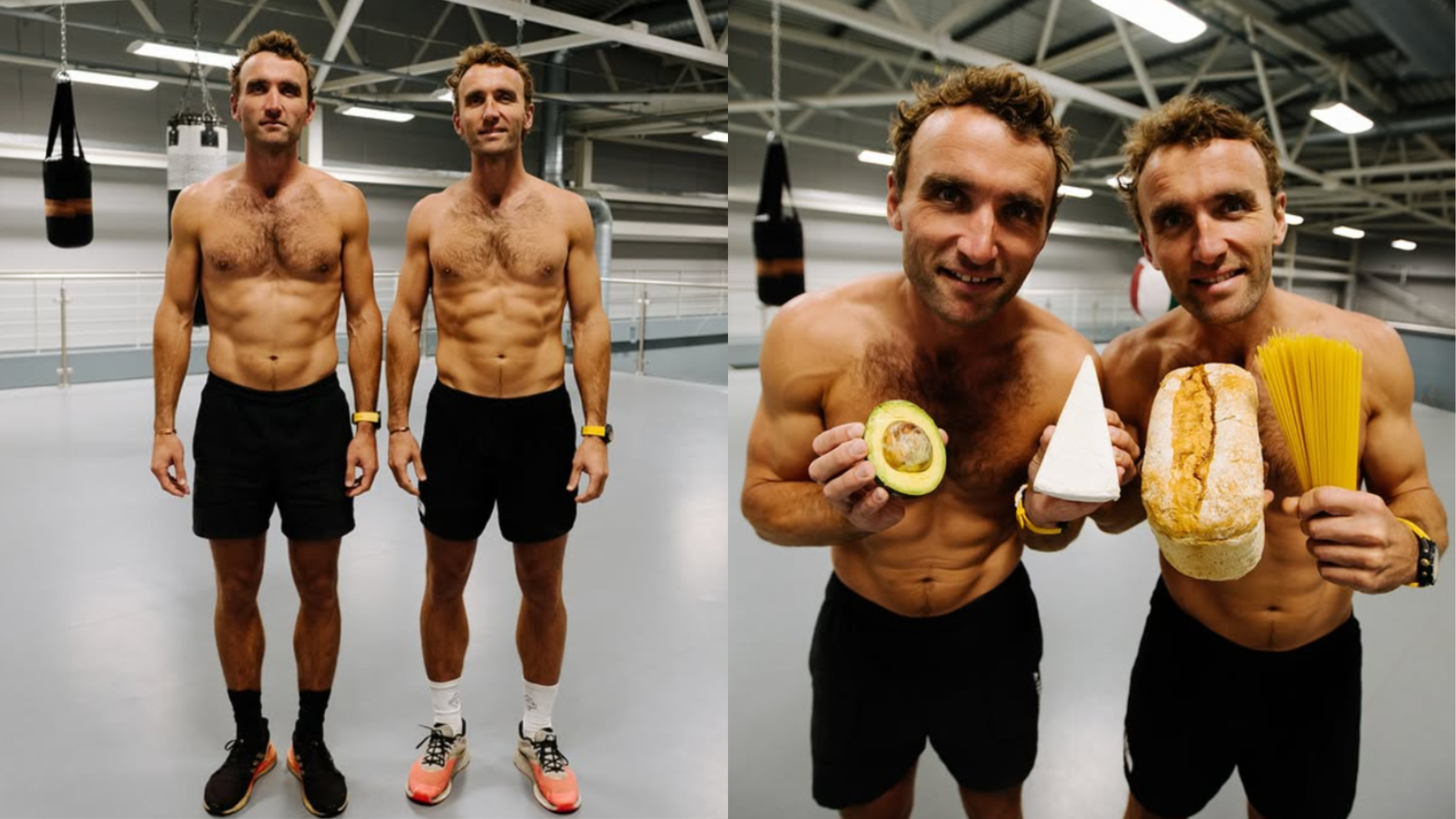
When it comes to diet, the question of what works best for the body has always sparked curiosity and debate. To explore this topic, identical twins Hugo and Ross Turner embarked on a fascinating 12-week experiment to compare the effects of a vegan diet versus an omnivorous one. Sharing the same genetic makeup and following identical calorie intakes and exercise routines, the Turner twins offered a rare opportunity to analyze how diet alone impacts health, fitness, and overall well-being.
With the guidance of King’s College London, the experiment provided scientific insights into key health markers like cholesterol, glucose levels, and body composition. The results, while nuanced, offer practical takeaways for anyone considering dietary changes for improved health and fitness.
The Experiment Setup

Hugo and Ross Turner, known as “the adventure guinea pigs,” have a history of pushing physical and mental limits to uncover insights into health and performance. For this experiment, they sought to determine the impacts of diet on identical bodies, eliminating other variables by controlling calorie intake and exercise regimens. Over the 12-week period, Hugo committed to a vegan diet, while Ross maintained an omnivorous diet that included meat, dairy, and fish.
To ensure scientific accuracy, the twins collaborated with King’s College London’s Department of Twin Research, which monitored their biomarkers and body composition. Virgin Active tracked their physical progress and performance, using tools like continuous glucose monitors and resistance tests. This structured approach ensured the only significant variable between the twins was their diet.
Both brothers followed the same endurance-focused training routine, aimed at maximizing fitness without gaining excess weight. With identical calorie targets and closely monitored physical activity, the study set the stage to reveal how their diets would uniquely influence their bodies.
The Vegan Experience
For Hugo, transitioning to a vegan diet presented significant challenges at first. Accustomed to consuming meat, cheese, and dairy, he faced strong cravings during the initial weeks. However, he quickly adapted by incorporating nutrient-dense alternatives like fruits, nuts, and plant-based options. These changes led to a diet that was inherently more wholesome, reducing his reliance on processed foods.
One of the most notable benefits Hugo observed was his stable energy levels. Unlike his previous dietary habits, which often caused sugar crashes, his plant-based meals provided sustained energy throughout the day. He also reported feeling more energized during gym sessions, consistently completing high-repetition endurance workouts without fatigue. His cholesterol levels dropped dramatically from 5.9 to 4.9, a significant improvement that could lower his risk of heart disease.
However, the vegan diet was not without its drawbacks. Hugo experienced a notable decrease in the diversity of his gut bacteria, which is often associated with a reduced ability to fend off illnesses. Additionally, he reported a decline in libido during the experiment, a possible result of reduced intake of certain nutrients found in animal products. Despite these downsides, Hugo’s overall health markers reflected the potential benefits of a vegan diet for weight management and blood sugar regulation.
The Omnivorous Perspective
While Hugo adjusted to a vegan diet, Ross continued with an omnivorous approach, incorporating meat, dairy, and fish into his meals. At first glance, this diet seemed advantageous for building muscle, as Ross gained 4 kilograms of muscle mass over the 12 weeks. However, this came with a cost: his body fat percentage increased from 13% to 15%, highlighting the difficulty of balancing muscle gain and fat control on an omnivorous diet.
Energy levels were another area where Ross faced challenges. Unlike Hugo’s consistent energy, Ross experienced noticeable fluctuations. He often felt bursts of energy in the morning, followed by sharp declines later in the day. Continuous glucose monitoring revealed significant spikes and crashes in his blood sugar levels, likely influenced by his consumption of processed foods alongside his protein-rich meals.
On a positive note, Ross’s gut bacteria diversity remained stable throughout the experiment. This provided him with a better defense against illnesses compared to his brother, whose vegan diet appeared to impact gut health negatively. Ross also found the omnivorous diet more flexible and convenient, as it didn’t require him to avoid a wide array of common foods. Nevertheless, his experience highlighted the potential for overconsumption of less nutritious processed foods, which can offset the benefits of a diet rich in animal-based proteins.
Body Composition and Weight Changes

Over the 12-week dietary experiment, the Turner twins experienced distinct changes in body composition corresponding to their respective diets.
Hugo’s Vegan Diet:
- Weight Loss: Hugo began the study weighing just over 84 kg (approximately 185 pounds) and concluded at just under 83 kg (around 183 pounds), reflecting a weight loss of about 1 kg (2.2 pounds).
- Body Fat Reduction: His body fat percentage decreased from 13% to below 11%, indicating a reduction of over 2%.
Ross’s Omnivorous Diet:
- Weight Gain: Ross’s weight increased from 85.5 kg (approximately 188 pounds) to nearly 87 kg (about 192 pounds), a gain of around 1.5 kg (3.3 pounds).
- Body Fat Percentage: His body fat percentage rose from 13% to 15%, indicating an increase of 2%.
These outcomes align with existing research comparing vegan and omnivorous diets. A study published in the Proceedings of the Nutrition Society found that individuals following a vegan diet had lower body mass indices (BMIs) and body fat percentages compared to their omnivorous counterparts.
Additionally, a review in Nutrients reported that plant-based diets are associated with lower body weight and fat mass, attributing these effects to higher fiber intake and lower energy density of plant foods.
Gut Health and Overall Well-Being

The Turner twins’ 12-week dietary experiment revealed notable differences in gut health and overall well-being between the vegan and omnivorous diets.
Hugo’s Vegan Diet:
- Gut Bacteria Diversity: Hugo experienced a significant reduction in the diversity of his gut microbiota. He noted that the diversity of his gut bacteria dropped “severely,” which could potentially impact his immune system and digestion.
- Energy Levels: Despite the decrease in gut bacteria diversity, Hugo reported consistent energy levels throughout the day, attributing this to his plant-based diet. He mentioned, “I felt like I had more energy.”
Ross’s Omnivorous Diet:
- Gut Health: Ross maintained a stable and diverse gut microbiota throughout the experiment, suggesting that his omnivorous diet supported microbial diversity.
- Energy Fluctuations: Ross experienced variable energy levels, with periods of high energy followed by significant lulls, indicating less stability compared to his brother.
These findings align with existing research on diet and gut microbiota. A review in Frontiers in Nutrition suggests that plant-based diets can promote a diverse ecosystem of beneficial bacteria, supporting gut health and overall well-being.
What This Experiment Teaches Us About Diet Choices
The Turner twins’ experiment offered valuable lessons about the impacts of vegan and omnivorous diets, shedding light on their potential benefits and challenges. While both diets supported fitness and health to varying degrees, individual outcomes highlighted the importance of aligning dietary choices with personal goals and health needs.
A key takeaway from Hugo’s vegan diet was its ability to improve specific health markers, such as cholesterol and blood sugar levels, while promoting fat loss and stable energy throughout the day. However, the decline in gut bacteria diversity and potential nutrient deficiencies serve as reminders of the importance of carefully planning a plant-based diet to ensure it meets all nutritional needs.
On the other hand, Ross’s omnivorous diet demonstrated its effectiveness for building muscle and maintaining gut health. However, his experience of energy crashes and increased body fat underscored the role of balanced food choices and limiting processed foods, even within a diet that includes animal products.
The broader lesson from this experiment is that dietary impacts are highly individual. Factors such as metabolic responses, lifestyle, and activity levels play crucial roles in determining the best diet for each person. As the twins’ results show, no single diet works universally, and tailoring food choices to specific health and fitness goals is essential.
Finding the Right Diet for You
The Turner twins’ dietary experiment provides a compelling glimpse into the complex interplay between nutrition and health. While Hugo’s vegan diet offered benefits such as lower cholesterol, consistent energy levels, and weight loss, Ross’s omnivorous approach highlighted the risks and rewards of including animal products, from muscle gain to fluctuating energy levels and increased fat percentage. These results underline the importance of tailoring dietary choices to individual needs, preferences, and health goals.
Ultimately, the experiment reinforces a critical takeaway: there is no universal “one-size-fits-all” diet. While plant-based diets can significantly benefit health markers like cholesterol and insulin sensitivity, a balanced omnivorous diet, when well-planned, may also support robust gut health and muscle growth. The key lies in understanding one’s body, adopting a nutrient-rich approach, and making conscious, informed choices to sustain long-term health.
Featured Image Source: theturnertwiins on Instagram
Sources:
- Vegetarian/vegan diet: Reasonable or dangerous? MMW-Fortschritte der Medizin 2015, 157, 41–43. https://pubmed.ncbi.nlm.nih.gov/26019094/
- Which diet has the least environmental impact on our planet? a systematic review of vegan, vegetarian and omnivorous diets. Sustainability. 2019;11(15):4110. doi: 10.3390/su11154110 https://www.mdpi.com/2071-1050/11/15/4110
- Diet quality of vegetarian diets compared with nonvegetarian diets: a systematic review. Nutr Rev. 2019;77(3):144-160. https://academic.oup.com/nutritionreviews/article-abstract/77/3/144/5280773
