
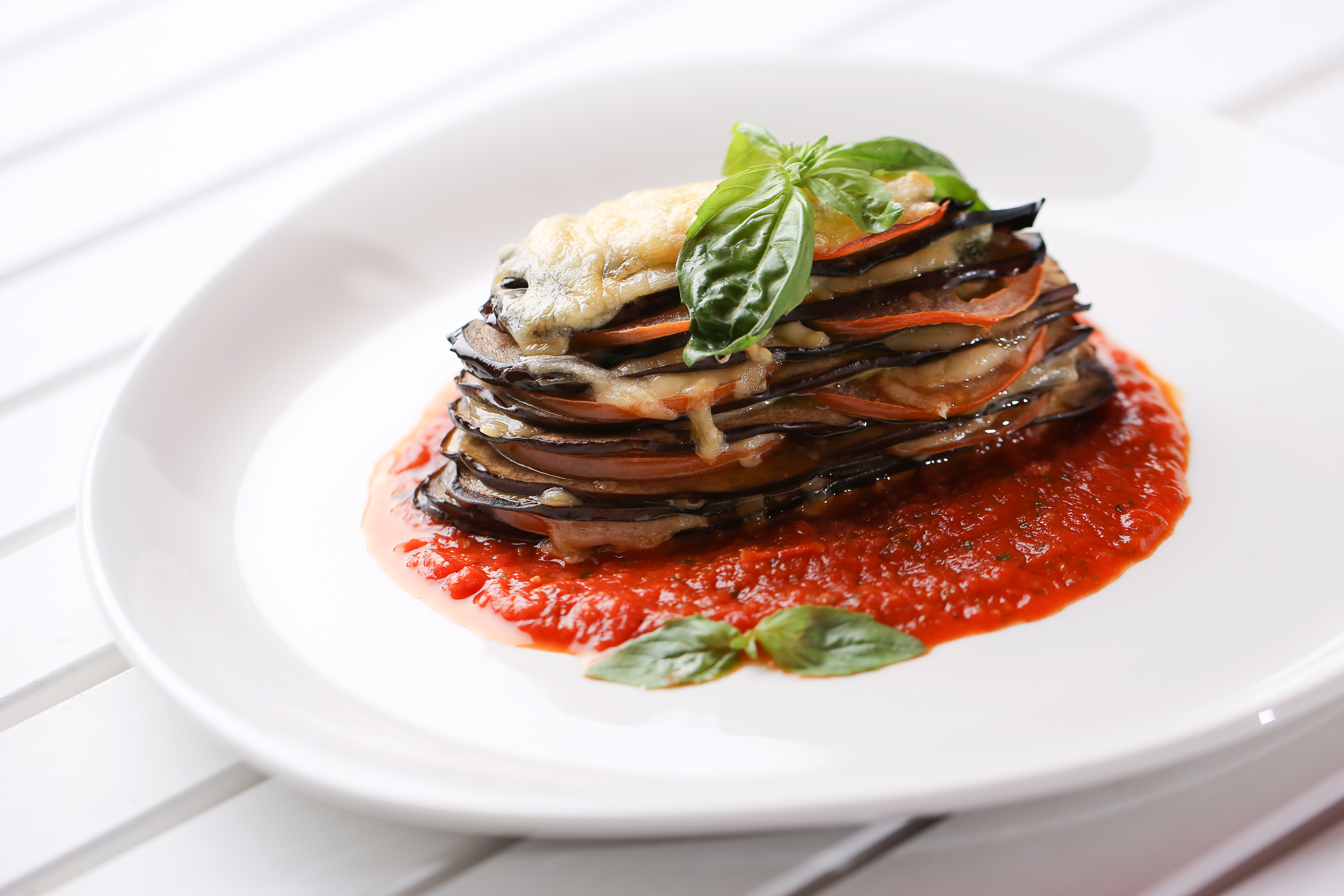
What if a simple, savory dish could transform your health from the inside out? Imagine something that not only satisfies your taste buds but also tackles common health concerns like digestion troubles, vision issues, and mineral deficiencies. Enter the unlikely duo of eggplant and miso—a combination that goes beyond flavor to bring profound benefits to your body.
This unique pairing brings together the nutrient-dense qualities of eggplant with the ancient, probiotic-rich powerhouse of miso. Together, they create a dish that is as delicious as it is nourishing. Curious about how this meal could be a game-changer for your wellness?

Why Eggplant Deserves a Spot in Your Diet
Eggplant, often overlooked in the produce aisle, is a nutritional powerhouse that can significantly enhance your diet. This versatile vegetable is rich in fiber, vitamins, and minerals, offering numerous health benefits.
One of the standout features of eggplant is its high fiber content, which aids digestion by promoting regular bowel movements and preventing constipation. A single cup of cooked eggplant provides about 2.4 grams of fiber, contributing to a healthy digestive system.
In addition to fiber, eggplant is a good source of vitamin A, essential for maintaining healthy vision. Vitamin A supports the function of the retina and helps prevent age-related macular degeneration, a leading cause of vision loss.
Eggplant also contains essential minerals such as potassium, magnesium, calcium, and phosphorus. These minerals play crucial roles in bone health, nerve function, and muscle contraction. For instance, potassium helps regulate blood pressure, while magnesium is involved in over 300 biochemical reactions in the body.
The Hidden Power of Miso
Miso, a traditional Japanese condiment, is more than just a flavorful addition to dishes; it’s a nutritional powerhouse with numerous health benefits. Made from fermented soybeans, sea salt, and koji (a mold starter), miso is often mixed with rice, barley, or other grains and allowed to ferment for 3 months to 3 years, producing an enzyme-rich food.
One of the standout features of miso is its probiotic content. The fermentation process introduces beneficial bacteria that aid digestion and support gut health. These probiotics help combat digestive issues caused by an imbalance in gut bacteria, including constipation, diarrhea, gas, bloating, and irritable bowel syndrome (IBS).
Miso is also a complete protein, containing all essential amino acids necessary for human health. This makes it an excellent protein source, especially for those following plant-based diets.
Additionally, miso is rich in antioxidants, which protect cells from damage caused by free radicals. Regular consumption of antioxidant-rich foods like miso may help reduce the risk of chronic diseases, including certain cancers.
Incorporating miso into your diet can also boost the immune system. The probiotics found in miso enhance the body’s natural defenses, helping to ward off infections and illnesses.
However, it’s important to note that miso is high in sodium. Therefore, moderation is key, especially for individuals monitoring their salt intake.
Recipe: Baked Miso Eggplant
Combining the nutritional benefits of eggplant and miso, this baked miso eggplant recipe offers a delicious and healthful addition to your diet. Eggplant is rich in fiber, vitamins, and minerals, while miso provides probiotics and essential amino acids. Together, they create a dish that supports digestion, vision, and overall wellness.
Ingredients:
- 1 large eggplant, halved lengthwise
- Olive oil, for brushing
- Salt and pepper, to taste
- 1 green onion, sliced
- Fresh cilantro leaves, for garnish
- Sesame seeds, for sprinkling
Miso Dressing:
- 2 heaping teaspoons organic miso paste
- 1 teaspoon tahini paste
- ¼ teaspoon ginger powder or a small piece of fresh ginger, grated
- Juice from ½ medium orange
Instructions:
- Preheat your oven to 425°F (220°C).
- Using a sharp knife, score the flesh of each eggplant half in a crisscross pattern, about 1 inch deep. This allows the flavors to penetrate and ensures even cooking.
- Brush the cut sides of the eggplants with olive oil and season with a pinch of salt and pepper.
- Place the eggplants cut-side up on a baking sheet lined with parchment paper.
- Bake in the preheated oven for approximately 30 minutes, or until the eggplants are very soft and tender.
- While the eggplants are baking, prepare the miso dressing. In a small bowl, combine the miso paste, tahini, ginger, and orange juice. Mix until smooth and well combined.
- Once the eggplants are done baking, remove them from the oven and set the oven to broil.
- Generously brush the miso dressing over the scored flesh of each eggplant half, ensuring it seeps into the cuts.
- Sprinkle sesame seeds over the top for added flavor and texture.
- Place the eggplants under the broiler for about 10 minutes, or until the topping is hot, bubbling, and slightly browned in spots. Keep a close eye to prevent burning.
- Remove from the oven and let cool slightly. Garnish with sliced green onions and fresh cilantro leaves. For a bit of heat, you can also sprinkle some chili flakes on top.
This baked miso eggplant pairs well with steamed rice or a fresh salad, making it a versatile dish for various meals. Enjoy the harmonious blend of flavors and the health benefits it brings to your table.

Ways to Enjoy Baked Miso Eggplant and Other Eggplant Dishes
Incorporating baked miso eggplant into your meals can elevate both flavor and nutrition. Here are some creative ways to enjoy this dish, along with other delectable eggplant preparations:
1. As a Main Course: Serve the baked miso eggplant over a bed of steamed jasmine rice or quinoa. The grains will absorb the savory miso glaze, creating a satisfying and balanced meal.
2. In a Salad: Chop the baked eggplant into bite-sized pieces and toss with mixed greens, cherry tomatoes, and a light sesame dressing. This adds a hearty component to your salad, enhancing both texture and taste.
3. As a Sandwich Filling: Layer slices of the baked miso eggplant in a whole-grain baguette with fresh basil, roasted red peppers, and a smear of hummus. This makes for a flavorful vegetarian sandwich option.
4. As a Pizza Topping: Top a whole-wheat pizza crust with tomato sauce, mozzarella cheese, and slices of baked miso eggplant. Bake until the cheese is melted and bubbly for a unique twist on traditional pizza.
5. In a Grain Bowl: Combine the baked eggplant with cooked farro, roasted vegetables, and a drizzle of tahini sauce. This creates a nutrient-dense bowl that’s both filling and flavorful.
Exploring Other Eggplant Dishes:
- Grilled Eggplant: Slice eggplant into rounds, brush with olive oil, and grill until tender. Grilled eggplant can be used in sandwiches, salads, or as a side dish.
- Eggplant Parmesan: Bread and bake eggplant slices, then layer with marinara sauce and cheese. Bake until bubbly for a comforting Italian classic.
- Baba Ghanoush: Roast whole eggplants until soft, then blend the flesh with tahini, lemon juice, garlic, and spices to create this creamy Middle Eastern dip.
- Ratatouille: Sauté eggplant with zucchini, bell peppers, tomatoes, and herbs for a hearty French vegetable stew.
Simple, Delicious, and Nutritious
Incorporating baked miso eggplant into your diet offers a delightful fusion of flavor and nutrition. Eggplant is rich in fiber, vitamins, and minerals, supporting digestion, vision, and overall health. Miso, a fermented soybean paste, adds depth to the dish and provides probiotics that enhance gut health and boost the immune system. Together, they create a meal that is both satisfying and beneficial.
Preparing this dish is straightforward, making it an excellent addition to your culinary repertoire. Whether enjoyed as a main course, a side, or incorporated into other recipes, baked miso eggplant is a versatile option that aligns with a healthy lifestyle. By embracing such nutrient-dense foods, you can enjoy delicious meals that contribute positively to your well-being.
Sources:
- U.S. Department of Agriculture. USDA Database for the Choline Content of Common Foods. Release 2; 2008. Available at: https://www.ars.usda.gov/northeast-area/beltsville-md-bhnrc/beltsville-human-nutrition-research-center/methods-and-application-of-food-composition-laboratory/mafcl-site-pages/choline/
- American Diabetes Association (ADA) Food for your plate. [(accessed on 29 March 2018)]; http://www.diabetesforecast.org/2015/adm/diabetes-plate-method/foods-for-your-plate.html
- Antihypertensive effects of orally administered eggplant (Solanum melongena) rich in acetylcholine on spontaneously hypertensive rats. Food Chem. 2019;276:376–382. doi: 10.1016/j.foodchem.2018.10.017 https://www.sciencedirect.com/science/article/pii/S0308814618317825
- Polyphenols content and antioxidant capacity of eggplant pulp. Food Chem. 2009;114:955–961. https://www.sciencedirect.com/science/article/abs/pii/S030881460801265X
