
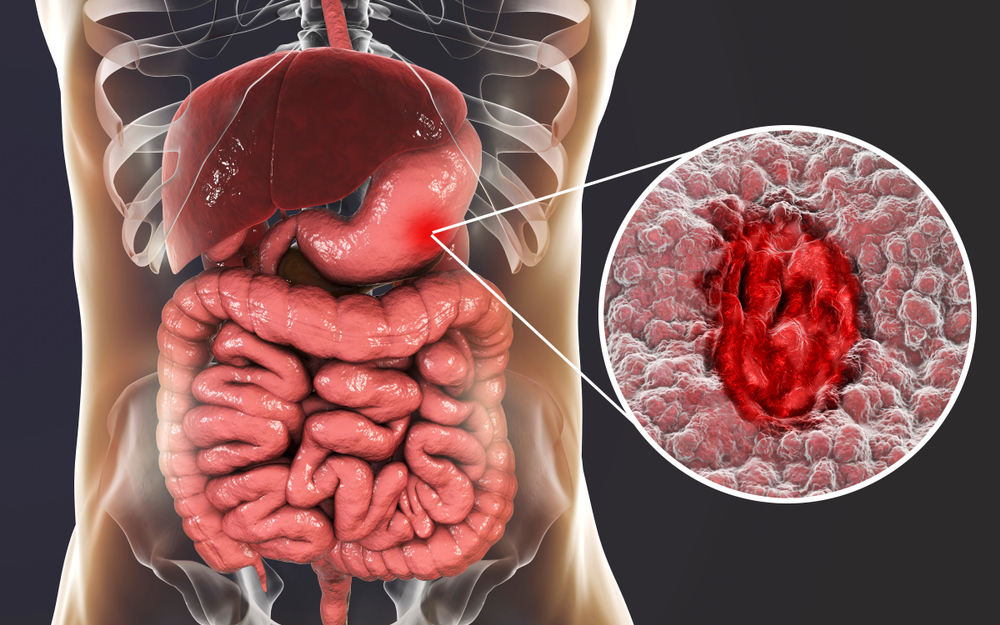
At just 44 years old, I found myself facing a diagnosis I never thought possible—bowel cancer. It wasn’t something that ran in my family, and I had always considered myself relatively healthy. But as I sat in the doctor’s office, a thought nagged at me: Could my lifelong love of sandwiches, something most of us eat without a second thought, have played a role in this?
We all know that food is fuel, but what if the fuel we’ve been using could be a hidden danger? Studies have shown that processed meats, a common ingredient in many sandwiches, are linked to an increased risk of bowel cancer. But could the occasional ham sandwich really be to blame for a serious illness, or is it a combination of factors that led me here?

The Love Affair with Sandwiches
For as long as I can remember, sandwiches were more than just a meal; they were a comforting constant in my daily routine. From childhood, my love for sandwiches was nurtured by the ease and satisfaction they provided. Whether it was a classic ham and cheese or a more elaborate deli creation, sandwiches became my go-to option—quick, tasty, and filling. In fact, I couldn’t count the number of times I’d grab one before heading out the door for work or school. They were perfect for a busy life, and over time, they became part of my identity. I never gave much thought to their long-term impact on my health. After all, they were just simple, everyday foods—how could they possibly harm me?
The convenience factor of sandwiches kept me coming back. Preparing a sandwich was effortless, and it seemed like the ideal meal for someone constantly on the move. The types of sandwiches I gravitated towards were always loaded with processed meats—ham, turkey, salami, or bacon, along with cheese and condiments. Little did I know, these ingredients, commonly found in the everyday sandwiches most people eat, have been linked to a range of health risks, including bowel cancer. I wasn’t alone in this—many people consume processed meats without giving them a second thought. The appeal is universal: they’re affordable, quick to prepare, and easy to enjoy. But the more I’ve learned, the more I realize that the very foods I once thought were harmless could be part of the reason I now find myself battling a deadly disease.
Looking back, it’s clear that my love affair with sandwiches wasn’t just about convenience or taste—it was about forming a habit that unknowingly put my health in jeopardy. As I was eating these foods, I wasn’t aware of their potential dangers. Now, having gone through the painful process of a diagnosis, treatment, and recovery, I find myself questioning just how much of an impact my diet had on my health. The connection between processed meats and bowel cancer is no longer a vague theory to me—it’s personal. It’s a wake-up call to anyone who might be eating the same way I did, without realizing the possible consequences. In hindsight, my daily sandwich was much more than just a meal; it was a silent contributor to my health downfall.

Understanding Bowel Cancer
Bowel cancer, also known as colorectal cancer, occurs when abnormal cells grow uncontrollably in the colon or rectum. These cells can form tumors, which, if not treated early, can spread to other parts of the body. It’s one of the most common types of cancer worldwide, with thousands of new cases diagnosed each year. For many, the signs of bowel cancer aren’t immediately obvious. Symptoms like changes in bowel movements, blood in the stool, or unexplained weight loss can often be mistaken for other conditions, making early detection challenging. Yet, if caught early, the prognosis can be much better, highlighting the importance of regular screenings and staying attuned to any unusual changes in your health.
One of the most alarming aspects of bowel cancer is the growing body of evidence linking certain lifestyle choices, particularly diet, to its development. In fact, a recent study found that nearly 50% of bowel cancer cases are linked to preventable risk factors like poor diet, lack of exercise, and smoking. This means that many of us could be unknowingly increasing our chances of developing this cancer just by the food we eat and our daily habits. The connection between diet and bowel cancer is particularly significant when it comes to processed foods. These foods often contain additives, preservatives, and high levels of fat and sodium—all of which can lead to inflammation in the colon and increase cancer risk.
Processed meats, in particular, have been identified as a major contributor to bowel cancer. According to the World Health Organization (WHO), consuming processed meats regularly increases the risk of colorectal cancer by a significant margin. This is due to substances like nitrates and nitrites, which are used to preserve meats but can convert into cancer-causing compounds during digestion. Understanding these risks is crucial, as the foods we consume daily have a direct impact on our long-term health. The fact that something as seemingly harmless as a sandwich could carry these risks is a stark reminder that we need to be more mindful of the foods we choose to fuel our bodies with.

The Link Between Processed Meats and Bowel Cancer:
The more I’ve learned about bowel cancer and its relationship to diet, the more I’ve come to understand the significant role processed meats play in increasing cancer risk. These meats, commonly found in sandwiches, are not just quick and convenient—they’re also laden with preservatives and chemicals that, over time, can be harmful to the body. When consumed regularly, processed meats like bacon, sausages, and salami are known to contribute to inflammation in the colon, which can lead to the development of cancerous cells. This connection has been highlighted in numerous studies, including one by the American Cancer Society, which found a clear correlation between high processed meat consumption and increased cancer rates.
Processed meats are typically preserved using nitrates and nitrites, chemicals that prevent spoilage and enhance flavor. However, when these chemicals interact with the body, they can convert into carcinogenic compounds. This process, known as nitration, is especially concerning when it comes to digestive health, as it can lead to the formation of cancer-causing agents within the colon. The more frequently processed meats are consumed, the higher the risk. For someone like me, who ate sandwiches with processed meats nearly every day, the cumulative effect over the years could have been far more damaging than I realized.
The key takeaway here is not that we should completely eliminate sandwiches from our diet—after all, they are a part of many people’s everyday meals—but rather that we need to be more conscious of what goes into them. While it may be difficult to think about the long-term consequences of a simple, daily habit, the evidence is clear: processed meats are a significant risk factor for bowel cancer. This doesn’t mean we can never enjoy a sandwich again, but it does mean we should choose healthier alternatives whenever possible and make an effort to reduce our intake of processed meats. By doing so, we can lower our risk and make healthier choices for our future.

Lifestyle Factors and Their Role in Cancer Development:
While diet plays a key role in the development of bowel cancer, it’s important to recognize that cancer doesn’t develop from diet alone. A variety of lifestyle factors contribute to the risk of this disease, and it’s crucial to look at the broader picture. Regular physical activity, for instance, is one of the most effective ways to lower your risk of colorectal cancer. Research consistently shows that those who maintain an active lifestyle, even with moderate exercise, have a significantly reduced risk of developing bowel cancer. Exercise helps to keep the digestive system functioning properly, preventing constipation and promoting regular bowel movements—factors that contribute to a healthier colon.
In addition to exercise, maintaining a healthy weight is another important factor in cancer prevention. Obesity has been linked to increased inflammation in the body, which can contribute to the development of various types of cancer, including bowel cancer. By managing our weight through a balanced diet and regular activity, we can help protect ourselves from a range of health problems, including cancer. Other lifestyle factors, such as reducing alcohol consumption and quitting smoking, also play a significant role. Both alcohol and tobacco use have been shown to increase the risk of bowel cancer, making it crucial to adopt healthier habits that promote overall well-being.
The important takeaway from this broader perspective is that cancer prevention requires a combination of efforts. A healthy diet, regular exercise, weight management, and avoiding harmful substances like tobacco and excessive alcohol can all work together to reduce the risk of bowel cancer. The goal isn’t to strive for perfection, but to make small, sustainable changes that promote a healthier lifestyle. When we take responsibility for these aspects of our lives, we not only improve our chances of avoiding cancer but also enhance our overall quality of life. It’s about making choices that benefit our long-term health and wellbeing, not just avoiding one particular risk.

A Wake-Up Call: My Personal Journey:
Reflecting on my own diagnosis, it’s impossible to ignore how much I took my health for granted before my diagnosis. At 44, I had never really thought twice about my diet, let alone the potential risks associated with my food choices. I never imagined that a simple, daily sandwich habit could set me on a path toward cancer. But once the reality of my condition set in, it became clear that my love for processed meats had been a factor in my illness. While genetics may have played a role, it’s likely that the constant consumption of processed foods throughout my life helped tip the scale toward disease.
Navigating through treatment was an emotional and physical challenge. At times, I felt overwhelmed by the sheer weight of the diagnosis, but I also found clarity. It wasn’t just about surviving cancer—it was about making significant changes to ensure I could live a healthier, longer life. I made it my mission to overhaul my diet and adopt a more balanced lifestyle. The process was not easy, and there were many setbacks along the way, but I realized that these changes weren’t just for me—they were a chance to share my experience and encourage others to take action before it’s too late.
Today, I am more aware of the impact my diet has on my health than I ever was before. I’ve cut back on processed foods, embraced fresh, whole ingredients, and focused on maintaining an active lifestyle. These changes have made a world of difference, not just physically but mentally as well. My experience has been a wake-up call, one that I hope will resonate with others. It’s never too early to reassess your diet and lifestyle and make the necessary adjustments to protect your health. The lessons I’ve learned through my battle with cancer are not just warnings—they are calls to action for all of us to take our health seriously, before it’s too late.
Making Informed Choices for a Healthier Future
As I’ve learned throughout my cancer journey, prevention is far better than treatment. It’s not enough to simply rely on medical advancements and hope that they’ll save us if we become ill. We need to take responsibility for our health by making informed choices every day. This begins with our diets. While it’s unrealistic to expect everyone to completely cut out processed meats, it’s possible to reduce their intake and make healthier alternatives a part of our daily meals. For example, swapping out processed meats for fresh, unprocessed alternatives, like grilled chicken or plant-based proteins, can be an easy and effective way to lower cancer risk.
Beyond diet, regular physical activity is key to maintaining a healthy body and reducing cancer risk. Exercise doesn’t just help with weight management—it also improves digestion, boosts the immune system, and reduces inflammation. By incorporating even moderate amounts of exercise into our daily routines, we can significantly reduce the likelihood of developing bowel cancer. But it’s not just about exercise—it’s about creating a lifestyle that supports our well-being in every way. Adequate sleep, stress management, and avoiding harmful habits like smoking and excessive drinking all play a role in maintaining a healthy body and mind.
Finally, don’t underestimate the importance of regular screenings and check-ups. Early detection is vital, and routine screenings can help catch potential issues before they become serious. By staying on top of our health, making healthier food choices, and maintaining an active lifestyle, we can protect ourselves from the risks associated with bowel cancer and live a long, fulfilling life. The power to prevent disease is in our hands, and it’s up to us to make the decisions that will shape our future health.
