
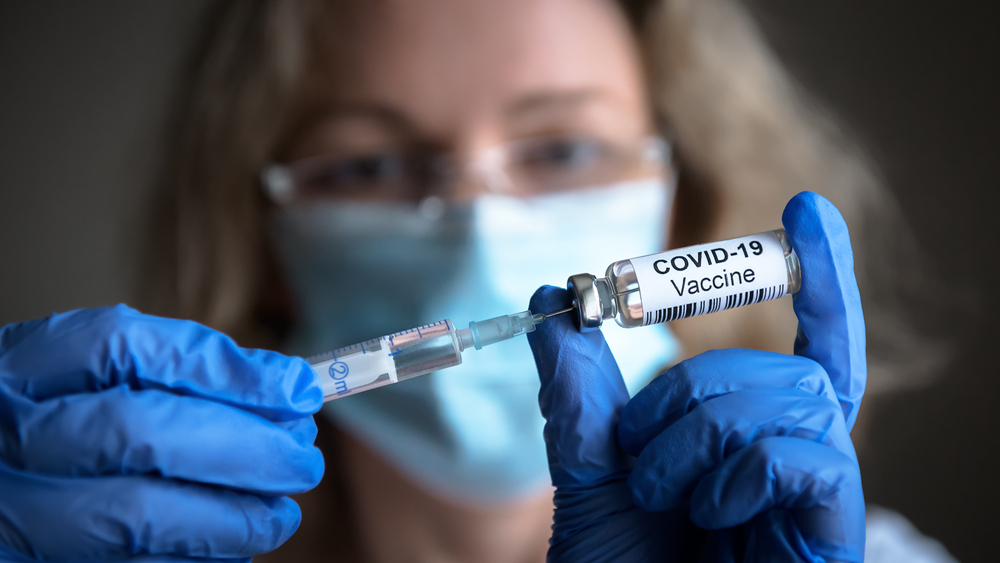
Something strange happened during the COVID-19 vaccine rollout. Cancer patients who received mRNA shots around the time they started immunotherapy lived longer than those who didn’t. Much longer.
Doctors at MD Anderson Cancer Center noticed the pattern first. Patients getting checkpoint inhibitors for lung cancer or melanoma showed better survival rates if they’d been vaccinated. Not just marginally better. Twice as good in some cases. In others, nearly five times better.
Nobody expected this. mRNA vaccines target viral proteins, not tumor cells. Yet somehow, these shots designed to fight a respiratory virus were helping immune systems destroy cancer. How could a vaccine against SARS-CoV-2 possibly affect survival from malignant melanoma or lung tumors?
Scientists began investigating. Lab studies revealed immune activation patterns nobody had anticipated. Human trials confirmed what the patient data suggested. A connection existed between vaccination timing and cancer outcomes that demanded explanation.
What researchers discovered could reshape how doctors treat cancer patients receiving immunotherapy.
Double the Survival Rate: What Researchers Found

Over 1,000 cancer patients participated in the retrospective analysis. Researchers examined medical records from people treated between 2019 and 2023 at MD Anderson Cancer Center. All patients received immune checkpoint inhibitors for their cancer. Some got COVID-19 vaccines during treatment. Others didn’t.
Results are separated into clear patterns. Patients who received an mRNA vaccine within 100 days of starting immunotherapy showed dramatically better outcomes. Non-small cell lung cancer patients who got vaccinated survived a median of 37.3 months compared to 20.6 months for unvaccinated patients. At three years, 56% of vaccinated patients remained alive versus just 31% of those who skipped vaccination.
Melanoma results proved even more striking. Among 167 unvaccinated patients with metastatic disease, median survival reached 26.7 months. But 43 vaccinated patients did so well that researchers couldn’t yet calculate their median survival because most remained alive when data collection ended. Three-year survival rates told the story: 68% for vaccinated patients, 44% for unvaccinated ones.
Both Pfizer and Moderna vaccines produced similar effects. Dosing schedules varied among patients, but timing mattered most. Vaccines given within that 100-day window around immunotherapy initiation showed the strongest association with survival benefits.
How Cancer Hides and Immunotherapy Fights Back

Cancer cells possess a devious survival trick. Checkpoint proteins on their surface send “don’t attack me” signals to immune cells patrolling for threats. T cells encounter these proteins, receive the false message, and leave cancer alone. Tumors grow unchecked while the immune system ignores them.
Immune checkpoint inhibitors block these deceptive signals. These drugs prevent cancer from hiding behind checkpoint proteins like PD-1 and PD-L1. Once the invisibility cloak drops, T cells can recognize and destroy malignant cells.
Checkpoint inhibitors revolutionized cancer treatment over the past decade. Patients who respond often achieve long-term remission. But here’s the problem: most patients don’t respond. Many tumors remain “cold” despite checkpoint blockade. T cells stay exhausted and unable to mount effective attacks even when cancer’s disguise fails.
Why do some patients respond while others don’t? Pre-existing immune activity makes the difference. Patients whose T cells already show some anticancer activity before treatment tend to benefit most. Those with cold, immunologically silent tumors often see little improvement. Their immune systems need more than just checkpoint inhibitor drugs. They need activation.
mRNA Vaccines Sound an Alarm in Your Body
mRNA vaccines deliver genetic instructions wrapped in lipid nanoparticles. Cells read these instructions and manufacture SARS-CoV-2 spike proteins. Immune systems detect these foreign proteins and mount responses, creating antibodies and memory cells ready to fight coronavirus infections.
But the immune activation extends beyond antibody production. Vaccination triggers a surge of type I interferon, a signaling molecule that puts immune cells on high alert. Interferon levels in vaccinated volunteers jumped 280-fold within 24 hours. Other inflammatory signals spiked too: interleukin-6, interferon gamma, and various chemokines that recruit immune cells to action.
“This study demonstrates that commercially available mRNA COVID vaccines can train patients’ immune systems to eliminate cancer,” said Dr. Adam Grippin, co-lead researcher and radiation oncology resident at MD Anderson Cancer Center. “When combined with immune checkpoint inhibitors, these vaccines produce powerful antitumor immune responses that are associated with massive improvements in survival for patients with cancer.”
Interferon activates dendritic cells and macrophages, the generals of immune responses. These cells become better at presenting antigens to T cells, essentially showing them what to attack. In cancer patients, this activation doesn’t just prime responses against viral proteins. It helps immune cells recognize tumor antigens, too.
PD-L1 expression on tumors increased after vaccination. Cancer cells responded to interferon signals by producing more of this checkpoint protein, their defensive shield. Without checkpoint inhibitors, this response would help tumors survive. But patients already taking checkpoint blockers couldn’t use this defense. Vaccines activated their T cells while drugs prevented cancer from hiding. Perfect synergy.
Lung Cancer and Melanoma Patients Lived Longer

Numbers from the lung cancer cohort painted a clear picture. Among 884 patients with stage III or IV non-small cell lung cancer, 180 received COVID vaccines within that critical 100-day window. Median survival for this group reached 37.3 months. Among 704 unvaccinated patients, median survival stopped at 20.6 months.
Stage III patients with unresectable tumors showed similar patterns. Stage IV patients with distant metastases showed similar patterns. The vaccine manufacturer made no difference. The number of doses made no difference. Only timing mattered.
Melanoma data revealed even stronger effects. Researchers identified 210 patients who received checkpoint inhibitors for metastatic melanoma between 2019 and 2022. Just 43 received COVID-19 vaccines within 100 days of starting treatment. Yet these 43 patients dramatically outperformed the 167 who remained unvaccinated.
Median survival for unvaccinated melanoma patients reached 26.7 months. Researchers couldn’t calculate median survival for vaccinated patients because more than half remained alive at data cutoff. When most patients in a group survive beyond your observation period, you can’t determine when half would die. Problems like this make statisticians happy.
Progression-free survival improved, too. Vaccinated melanoma patients went 10.3 months before disease progression compared to 4.0 months for unvaccinated patients. Cancer stayed controlled longer when vaccines boosted immunotherapy.
Cold Tumors Got Hot: The Five-Fold Survival Boost
Some tumors show up ice cold on immune scans. Few T cells infiltrate them. PD-L1 expression sits below 1%. These immunologically silent cancers respond poorly to checkpoint inhibitors because no pre-existing immune activity exists to enhance. Doctors can remove the brakes on T cells all day, but exhausted cells with no activation signals won’t attack anything.
Cold tumors represent a major challenge in oncology. Patients with PD-L1 expression under 1% often receive chemotherapy plus immunotherapy because checkpoint inhibitors alone rarely work. Cancer needs some baseline immune recognition before drugs can amplify that response.
COVID vaccines changed this equation. Among stage IV lung cancer patients with baseline PD-L1 under 1%, those who received mRNA vaccines showed survival rates similar to patients who started with higher PD-L1 levels. Vaccination appeared to restore immune sensitivity to cold tumors.
Three-year survival data proved most striking. Cold tumor patients typically show poor outcomes with checkpoint inhibitors alone. But vaccinated patients with these resistant cancers achieved nearly five-fold better three-year survival compared to historical expectations. Vaccines took tumors from immunologically frozen to hot enough for checkpoint inhibitors to work.
Benefits appeared consistent across PD-L1 levels. Patients with scores under 1%, between 1-50%, and above 50% all showed improved survival with vaccination. Even tumors with decent baseline immune activity performed better when vaccines added extra activation.
Only mRNA Vaccines Showed This Effect

Researchers checked whether other vaccines might produce similar benefits. Influenza vaccines given within 100 days of immunotherapy showed no survival advantage. Pneumonia vaccines showed no survival advantage. Neither triggered the same interferon surge or immune activation patterns seen with mRNA shots.
What makes mRNA vaccines different? Lipid nanoparticles encapsulating mRNA create unique immune stimulation. Pattern recognition receptors detect the formulation and trigger interferon production. MDA5 sensors respond to high-molecular-weight RNA structures formed during encapsulation. Even though mRNA vaccines use modified nucleosides to reduce inflammation, they still generate robust innate immune responses.
Both Pfizer (30 micrograms of mRNA) and Moderna (50 micrograms in initial formulations, later 100 micrograms) produced similar outcomes in cancer patients. Dose differences between manufacturers didn’t appear to eliminate benefits, though Moderna’s higher mRNA content triggered slightly stronger interferon responses in healthy volunteers.
Non-mRNA COVID vaccines weren’t included in the analysis due to limited patient numbers. Vector-based vaccines like Johnson & Johnson’s use different mechanisms and likely produce different immune activation patterns. Whether they might help cancer patients remains unknown.
“The really exciting part of our work is that it points to the possibility that widely available, low-cost vaccines have the potential to dramatically improve the effectiveness of certain immune therapies,” said Grippin. “We are hopeful that mRNA vaccines could not only improve outcomes for patients being treated with immunotherapies but also bring the benefits of these therapies to patients with treatment-resistant disease.”
From Lab Mice to Human Patients
Before analyzing patient records, researchers tested the concept in laboratory models. Mice with melanoma or lung cancer received spike protein mRNA vaccines along with checkpoint inhibitors. Combination therapy controlled tumors better than either treatment alone. Tumors shrank. Survival improved.
Blocking interferon receptors eliminated the antitumor effects, confirming this cytokine’s role. Administering interferon directly couldn’t replicate vaccine benefits, suggesting the specific pattern and timing of immune activation mattered. Low-molecular-weight RNA alone didn’t work either. Something about the complete mRNA-lipid nanoparticle formulation created ideal conditions for immune priming.
T cells from vaccinated, tumor-bearing mice showed reactivity against multiple cancer antigens: GP-100, survivin, TRP2, claudin-6, and WT1. Vaccines weren’t targeting these proteins. Yet interferon-activated dendritic cells captured tumor antigens and presented them to T cells anyway. Immune systems learned to fight cancer while preparing to fight coronavirus.
Healthy human volunteers provided blood samples before and after receiving updated COVID vaccines. Type I interferon surged at 24 hours, increasing more than any other measured cytokine. PD-L1 expression on circulating immune cells rose. T cells showed activation markers. Natural killer cells ramped up. All these changes normalized within seven days in healthy people, but the initial spike provided enough immune stimulation to matter in cancer patients.
Patient biopsy data supported the lab findings. Among 2,315 lung cancer biopsies with PD-L1 testing, those taken within 100 days after vaccination showed 24% higher expression compared to unvaccinated patients. Vaccines were increasing checkpoint protein levels on tumors, exactly as preclinical models predicted. Good news for patients already taking checkpoint inhibitors.
What This Means for Cancer Treatment Moving Forward

Researchers plan a randomized Phase III clinical trial to confirm these findings. Observational data show strong associations, but controlled trials prove causation. Can doctors deliberately time COVID vaccinations to boost cancer immunotherapy? Should mRNA vaccines become standard care alongside checkpoint inhibitors? Trials will answer these questions.
Cost and availability favor this approach. mRNA COVID vaccines exist in every developed healthcare system. Pharmacies stock them. Insurance covers them. No prescription required in many jurisdictions. Compare this to personalized cancer vaccines, which take months to manufacture and cost tens of thousands of dollars.
Off-the-shelf immune activation could help patients who can’t wait for personalized treatments. Some cancers progress too fast for lengthy vaccine development. Others resist current immunotherapies altogether. Quick, accessible options matter when time runs short.
“Together, these results demonstrate that clinically available mRNA vaccines targeting non-tumor-related antigens are potent immune modulators capable of sensitizing tumors to immune checkpoint inhibitors,” researchers wrote in their Nature publication.
Cancer treatment stands at an interesting crossroads. Immunotherapy revolutionized oncology, but it works for too few patients. Personalized vaccines show promise but face manufacturing hurdles. Now existing vaccines designed for infectious diseases might bridge this gap, offering immediate immune activation while patients await targeted therapies or providing the extra push needed for cold tumors to respond.
Years from now, COVID-19 might be remembered not just as the pandemic that changed the world, but as the crisis that accidentally taught medicine how to wake up sleeping immune systems in cancer patients.
