
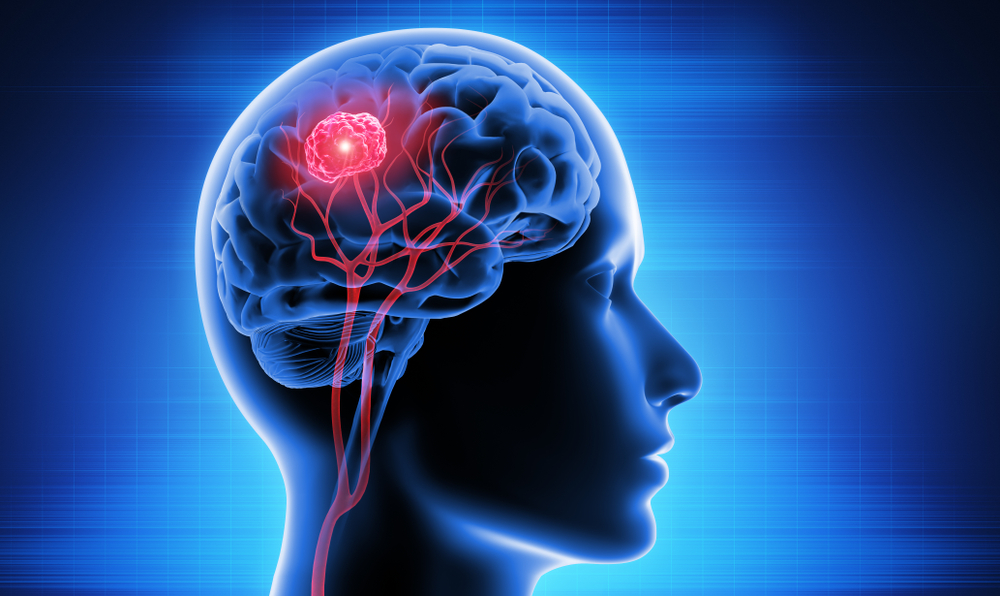
Mental illness has always been one of medicine’s most enigmatic frontiers. Why do some individuals, despite sharing similar genetics or life circumstances, fall prey to conditions like schizophrenia or bipolar disorder while others remain unaffected? For decades, scientists have looked at family histories, neurotransmitter imbalances, and environmental triggers to explain the origins of psychiatric disorders. Yet one question has lingered on the margins: could infections tiny invisible agents that inhabit our bodies play a role in shaping our minds? A new study led by researchers at Johns Hopkins University has brought this provocative idea back into the spotlight, revealing a surprising connection between the hepatitis C virus (HCV) and severe psychiatric illnesses.
Hepatitis C is usually associated with liver disease, cirrhosis, and cancer, not mental illness. But recent evidence shows that HCV may also infiltrate the brain’s borderlands, specifically a little-known structure called the choroid plexus, which produces the cerebrospinal fluid that bathes and protects our neurons. What’s more, this viral presence seems to appear disproportionately in people diagnosed with schizophrenia and bipolar disorder. The findings suggest that infections may contribute to the onset or worsening of psychiatric symptoms, adding a new biological layer to the already complex tapestry of mental health. If validated by future research, these insights could shift how doctors understand, diagnose, and treat psychiatric disorders bringing infectious disease into the heart of psychiatry.
A Hidden Gateway Between Blood and Brain
The choroid plexus rarely gets the same attention as regions like the hippocampus or prefrontal cortex, yet it plays a crucial role in brain health. Nestled within the ventricles of the brain, this network of cells manufactures cerebrospinal fluid (CSF), a clear liquid that cushions the brain, removes waste, and maintains the chemical balance required for neurons to fire properly. Unlike neurons that sit safely behind the near-impenetrable blood–brain barrier, the cells of the choroid plexus lie at an interface where the brain meets the body. Here, blood vessels, immune signals, and pathogens interact more directly with neural structures. This makes the choroid plexus both a gatekeeper and a point of vulnerability.
In the Johns Hopkins study, researchers analyzed postmortem samples of choroid plexus tissue from people with schizophrenia, bipolar disorder, major depressive disorder, and healthy controls. Using high-throughput sequencing techniques, they identified fragments of viral genomes embedded in this brain-border tissue.

While multiple viruses appeared in the samples, hepatitis C stood out. It was consistently detected in individuals with schizophrenia and bipolar disorder but not in controls or those with depression. Strikingly, even though HCV was absent from deeper brain regions like the hippocampus, its presence in the choroid plexus correlated with altered gene expression in the hippocampus, suggesting the virus may influence cognition and mood indirectly.
This finding reframes how we think about psychiatric illness. It suggests that mental disorders can arise not only from within through genetic mutations, neurotransmitter shifts, or psychological trauma but also from pathogens that manipulate immune signaling at the brain’s edge. By occupying the choroid plexus, HCV may send biochemical “whispers” into brain circuits, subtly altering mood, memory, and thought processes without ever infecting neurons directly. The choroid plexus thus emerges as a hidden mediator, translating bodily infections into mental symptoms.
The Statistical Connection: HCV in Psychiatric Populations

While molecular evidence from brain tissue is compelling, epidemiological data strengthens the case. The researchers tapped into TriNetX, a vast electronic health record system containing data from 285 million patients. Their analysis revealed that chronic hepatitis C infection was documented in 3.6% of patients with schizophrenia and 3.9% of those with bipolar disorder nearly double the prevalence seen in patients with major depression (1.8%) and about seven times higher than in healthy controls (0.5%). These numbers highlight a disproportionate link that cannot be dismissed as statistical noise.
Skeptics often argue that such correlations may stem from lifestyle factors. It is true that intravenous drug use and other high-risk behaviors are more common among individuals with severe psychiatric illness, and these behaviors also increase the likelihood of contracting HCV. Yet the study’s authors note that drug use did not fully explain the discrepancy. If lifestyle factors were solely to blame, one would expect elevated HCV rates across all psychiatric conditions, not just schizophrenia and bipolar disorder. The fact that major depression showed significantly lower prevalence suggests that something more specific is happening something intrinsic to the interaction between HCV and these two particular psychiatric disorders.
This specificity matters. It suggests that hepatitis C is not simply a background infection coincidentally overlapping with mental illness, but a potential contributing factor in the pathology of certain disorders. It also underscores the importance of looking beyond traditional explanations and considering that invisible infections may be silent co-authors in the story of mental health. If HCV can influence psychiatric outcomes, what other viruses or microbes might be shaping the architecture of the mind without our awareness?
How a Liver Virus Could Influence the Brain

The idea that a liver-targeting virus could affect the brain may sound far-fetched, but biology provides several plausible mechanisms. First, HCV has long been associated with extrahepatic symptoms, including fatigue, cognitive fog, and mood disturbances. Patients undergoing antiviral treatment often report improvements not just in physical health but also in mental clarity, suggesting that viral clearance has neurological benefits. The Johns Hopkins study provides a potential explanation: HCV may establish itself in the choroid plexus, where it can influence central nervous system function without direct neural invasion.
When HCV occupies the choroid plexus, it can trigger local immune responses. This can lead to the release of cytokines small signaling molecules that modulate immune activity. These cytokines can enter the cerebrospinal fluid, travel throughout the brain, and affect neuronal activity in regions critical for cognition and emotion. Additionally, the choroid plexus regulates the composition of cerebrospinal fluid, so viral presence here could alter the chemical environment of the brain, subtly shifting the balance of neurotransmitters or metabolic byproducts.
Animal and organoid models provide further biological plausibility. Studies have shown that infections confined to peripheral tissues can still produce neurological symptoms via immune-mediated pathways. For instance, streptococcal infections in children have been linked to sudden-onset obsessive-compulsive disorder (a condition termed PANDAS), while syphilis historically produced devastating psychiatric symptoms in late-stage disease. HCV may be the latest example of how microbes can influence the mind through indirect yet powerful biological channels.
A New Frontier in Psychiatric Care

Perhaps the most exciting aspect of this research lies in its potential for treatment. Unlike many hypothesized causes of schizophrenia or bipolar disorder, hepatitis C is curable. Modern direct-acting antivirals (DAAs) can clear the infection in over 95% of patients, often within a matter of weeks. If even a subset of psychiatric patients experience symptom improvement after viral clearance, this could revolutionize treatment protocols.
The path forward, however, is not simple. Not all patients with schizophrenia or bipolar disorder harbor HCV in the choroid plexus, and not all individuals with HCV develop psychiatric symptoms. This means we are looking at a subset phenomenon. To translate findings into practice, researchers must first develop reliable biomarkers to identify which patients have HCV in the brain’s border tissues. Prospective clinical trials are then needed to test whether antiviral treatment produces measurable improvements in psychiatric outcomes.
Ethical considerations also loom large. Psychiatric populations often face stigma, fragmented healthcare, and barriers to medical access. Adding infection screening risks both hope and harm it could empower patients with new treatment options, but it could also feed into stigmatizing narratives that equate mental illness with contagion. Screening and treatment must therefore be pursued with care, ensuring that patients are offered support, confidentiality, and respect throughout the process.
Still, the possibilities are tantalizing. Imagine a future where psychiatric evaluations include not just psychological assessments and brain scans but also viral screenings. Where some patients find relief not through decades of trial-and-error with antipsychotics or mood stabilizers, but through a short course of antiviral therapy. This is not science fiction but a plausible extension of today’s discoveries into tomorrow’s treatments.
Expanding the Viral Hypothesis

The Johns Hopkins study focused on hepatitis C, but it also detected fragments of other viral genomes in the choroid plexus, raising broader questions. Could other viruses play similar roles in psychiatric illness? Historically, the idea of a “viral hypothesis” for schizophrenia has circulated for decades, but definitive evidence remained elusive. Now, with sequencing technologies able to detect thousands of viral species in tissue samples, researchers have new tools to explore this hidden dimension of psychiatry.
Consider the parallels with other diseases. Multiple sclerosis has long been linked to Epstein–Barr virus infection. Alzheimer’s disease research increasingly implicates herpesviruses in triggering amyloid plaque formation. If such connections are validated across psychiatric disorders, the implications for prevention and treatment are immense. Vaccination, antiviral therapies, and immune-modulating drugs could join the psychiatric toolkit alongside psychotherapy and psychopharmacology.
The choroid plexus may serve as the focal point for this expanding field. As an immune-privileged interface, it represents a crossroads where the body’s microbial world meets the brain’s delicate circuitry. Understanding how different viruses exploit this interface could illuminate not just schizophrenia and bipolar disorder but also depression, anxiety, and other mental health conditions. The path is complex, but the potential rewards in terms of alleviating human suffering are enormous.
Infection, Mind, and the Interconnected Self
The discovery of hepatitis C in the choroid plexus of patients with schizophrenia and bipolar disorder challenges us to rethink the boundaries between infection, immunity, and identity. It reminds us that the brain is not an isolated organ but part of a living ecosystem influenced by microbes, immune signals, and systemic health. For some, this may feel unsettling: if a virus can sway our thoughts and moods, what does that mean for free will and selfhood? Yet it can also be liberating. It means that suffering long deemed untreatable might, in some cases, have a concrete biological cause and a cure.
Science thrives at these intersections, where new evidence disrupts old paradigms. The viral hypothesis of psychiatric illness is still in its infancy, and caution is warranted. But the path forward is clear: more research, more rigorous trials, and a more holistic view of mental health that bridges psychiatry, virology, and immunology. If the mind can be influenced by infections, then healing must address not just the psyche but the whole embodied self.
As we look to the future, the lesson of the choroid plexus is both scientific and spiritual: our consciousness is porous, shaped not just by genes and experiences but also by the invisible organisms that share our bodies. To truly understand the human mind, we must recognize this interconnectedness and embrace the possibility that healing may come from the most unexpected of places.
