
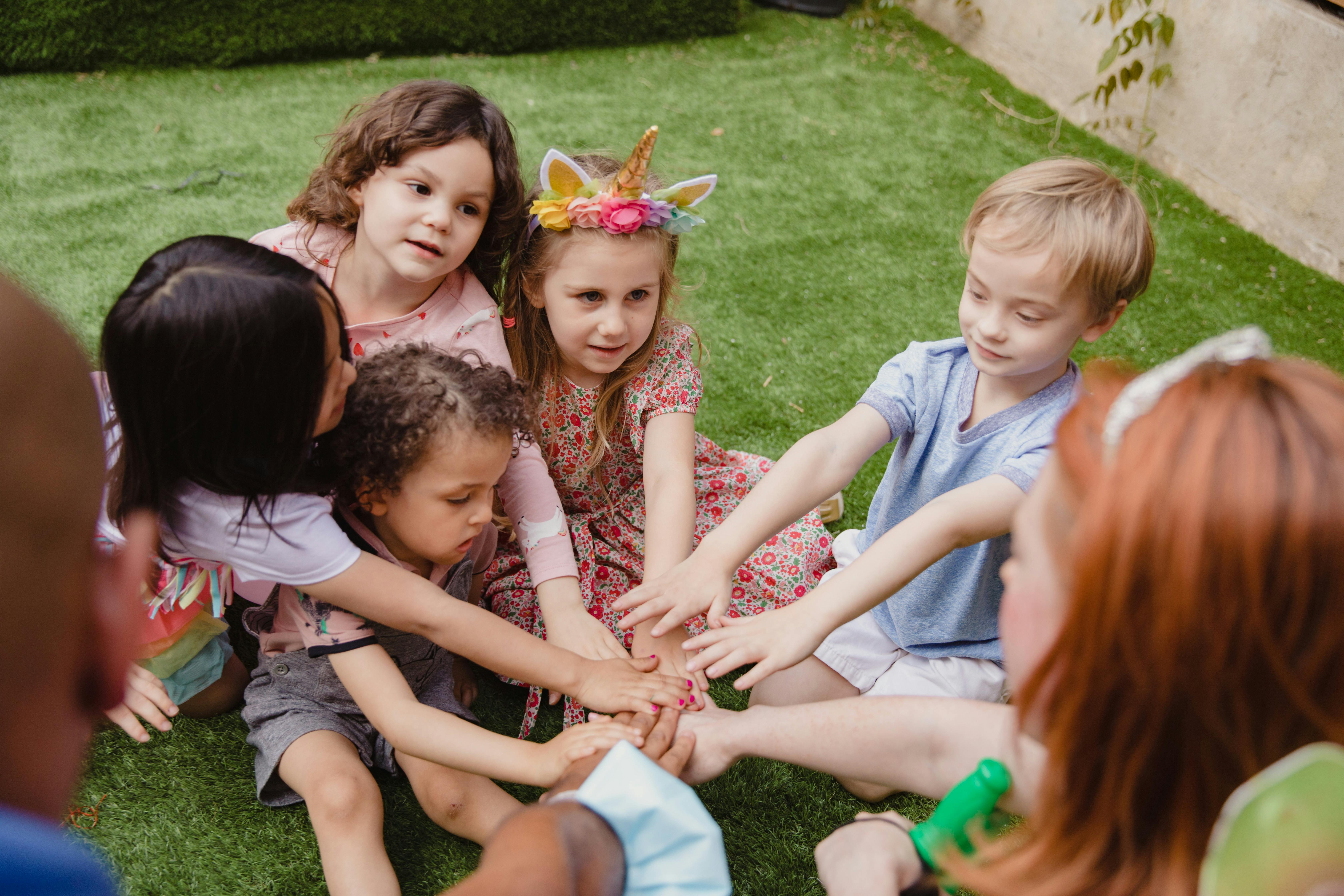
As a measles outbreak continues to spread across West Texas, health officials are sounding the alarm on a dangerous trend—“measles parties.” These gatherings, where parents intentionally expose their children to the virus in the hopes of building natural immunity, are becoming a topic of increasing concern. With 146 confirmed cases of measles and one tragic death linked to the outbreak, experts like Dr. Ron Cook, chief health officer at the Texas Tech University Health Sciences Center, are urging the public to avoid such practices. Instead, they emphasize the far safer and more effective option of vaccination.
Instead, health experts are emphasizing the proven effectiveness of vaccination in preventing measles. Dr. Cook and others stress that the best way to protect children from the virus and its complications is through the MMR vaccine, which has been shown to be both safe and highly effective.
What Are Measles Parties?
The term “measles parties” refers to gatherings where parents deliberately expose their children to someone infected with measles, hoping to build immunity through natural infection. This practice is based on the same flawed reasoning that led to “chickenpox parties” in the past, where children were intentionally exposed to the chickenpox virus in an attempt to gain immunity before the vaccine was available.
While these parties may seem like a quick fix to prevent future illness, they carry significant risks. Measles is one of the most contagious viruses known, and intentionally contracting it puts children in danger of severe complications, including pneumonia, encephalitis, and even death. Dr. Ron Cook, a public health expert in Texas, warns that it’s impossible to predict who will suffer the worst consequences from measles. He stresses that intentionally exposing children to the virus is “playing roulette” with their health.
In many cases, parents believe that contracting measles will provide lasting immunity without the need for a vaccine. However, this view is not only scientifically inaccurate, but it also overlooks the serious risks involved in such exposure. While the MMR vaccine offers a safe and reliable form of protection, there is no guarantee of a mild outcome when children are exposed to measles naturally.
Why ‘Measles Parties’ Are a Risk You Can’t Afford

Measles is a highly contagious viral infection that spreads through the air when an infected person coughs, sneezes, or even talks. The virus can lead to severe complications, particularly for children who are unvaccinated or have weakened immune systems. The symptoms of measles include a high fever, cough, runny nose, red eyes, and the classic rash, but the consequences can be far more serious.
Dr. Ron Cook highlights the unpredictable nature of the virus, stressing that “we can’t predict who is going to do poorly with measles.” Some children might experience only mild symptoms, while others could end up hospitalized with severe complications like pneumonia or encephalitis, an inflammation of the brain. In the worst cases, measles can be fatal. Tragically, a recent case in Texas saw an unvaccinated school-aged child die from complications of measles. This marks the first measles-related death in the U.S. since 2015, underscoring just how dangerous the virus can be.
According to the Centers for Disease Control and Prevention (CDC), approximately 1 in 1,000 children who contract measles will die from complications. Even more concerning is the risk of subacute sclerosing panencephalitis (SSPE), a rare but fatal condition that can develop years after a measles infection. SSPE leads to progressive brain damage and, eventually, death. These severe outcomes highlight why it’s so risky to expose children to the virus, intentionally or not.
The message from health experts is clear: avoiding measles parties is critical. While the idea of building immunity through natural infection may seem appealing to some, the potential harm far outweighs the supposed benefits. Vaccination is the best way to ensure that children are protected without facing the dangerous consequences of contracting the virus.
The Growing Measles Outbreak in Texas and Beyond
As of late February, the measles outbreak in Texas has continued to grow, with 146 confirmed cases and one tragic death linked to the virus. The outbreak, which began in a Mennonite community in Gaines County near the New Mexico border, has since spread to neighboring counties and even to New Mexico. This highlights just how quickly measles can spread, especially in areas with low vaccination coverage.
Measles is not just a problem in Texas. Other regions are also seeing a rise in cases. For example, in Canada, outbreaks have been reported in provinces such as British Columbia, Manitoba, Ontario, and Quebec. The contagious nature of measles means that the virus doesn’t respect state or country borders, making it a significant public health issue across North America.
While measles has been largely under control in many parts of the world due to vaccination efforts, outbreaks like this serve as a stark reminder of the risks associated with not vaccinating. The Texas situation is concerning not just because of the immediate health risks but also because it highlights the vulnerability of populations that may not be fully vaccinated, such as those in the Mennonite community.
These outbreaks are further exacerbated by misinformation surrounding vaccines. Misleading claims about the safety and efficacy of the MMR vaccine have contributed to a decline in vaccination rates in some areas, creating pockets of vulnerability that allow diseases like measles to spread. Health officials continue to urge the public to trust in the science and to get vaccinated as the best defense against the virus.
How Misinformation Fuels the Measles Crisis

Misinformation about vaccines is a major driver of the measles outbreak, and social media plays a central role in spreading inaccurate health advice. Many parents are exposed to misleading claims about the safety and efficacy of vaccines, which can contribute to vaccine hesitancy and, in some cases, lead to dangerous practices like measles parties.
Dr. Ron Cook has been outspoken about the importance of relying on trustworthy, science-based information. “Please don’t do that,” he warns, urging parents to ignore false claims circulating online and to trust expert guidance instead.
Figures like Robert F. Kennedy Jr., who has long expressed skepticism about vaccines, have further contributed to public confusion. Despite his recent calls for greater vaccine access in Texas, his past rhetoric has fueled fear around immunizations, resulting in lowered vaccination rates.
Health professionals across the board emphasize that the MMR vaccine is both safe and effective, with decades of evidence backing its role in preventing measles. The CDC, the World Health Organization, and leading medical experts all agree that vaccination is the best protection against this highly contagious virus.
The spread of misinformation only hinders efforts to protect communities. To stop outbreaks and protect children’s health, it’s crucial to rely on factual, evidence-based information and to follow expert advice regarding vaccines.
Public Health Measures and Response

In response to the ongoing measles outbreak in Texas, public health officials are taking proactive steps to protect both patients and the wider community. The Texas Department of State Health Services has been closely monitoring the situation, and local hospitals are putting additional safety measures in place to prevent further spread.
At University Medical Center (UMC) in Lubbock, where concerns about potential exposure in the neonatal ward were raised, health officials clarified that the measles patient had no direct contact with other patients or entered the NICU. Nevertheless, out of an abundance of caution, the hospital implemented a temporary masking requirement for all visitors to certain patient care areas in the Children’s Hospital. These measures aim to ensure the safety of vulnerable patients, especially those who are too young or too ill to be vaccinated.
The Lubbock Public Health Department has also been on the front lines, urging residents to seek medical care quickly if they suspect they or a loved one have been exposed to measles. Symptoms like severe breathing difficulty, dehydration, or confusion should be treated as an emergency. Public health officials are also advising people to contact the emergency department ahead of time to ensure proper precautions are taken when arriving at the hospital.
Additionally, health leaders are encouraging people to stay up to date on vaccinations, reminding the public that the MMR vaccine remains the most effective tool to prevent measles and curb the spread of the virus. Health Secretary Robert F. Kennedy Jr. has pledged to send additional doses of the MMR vaccine to Texas to help bolster vaccination efforts in the region.
Prioritizing Vaccination Over Risky Alternatives
The ongoing measles outbreak in Texas underscores the critical importance of vaccination in protecting both individuals and communities. With cases rising and a tragic death tied to the virus, health officials like Dr. Ron Cook continue to stress the dangers of “measles parties,” a misguided practice that exposes children to unnecessary risks. Rather than seeking natural immunity through such dangerous methods, experts recommend the safe and proven approach of vaccination, which offers effective protection without the severe consequences of a measles infection.
The MMR vaccine is a simple, safe, and highly effective tool in preventing measles. With vaccination rates falling in some areas, outbreaks like this one highlight the need for renewed efforts to educate the public about the importance of vaccines. By ensuring children are properly vaccinated, parents help protect not only their own families but also vulnerable members of their communities who cannot be vaccinated for medical reasons.
Ultimately, the best way to protect against measles and prevent further outbreaks is through vaccination, not risky exposure. Public health efforts, accurate information, and collective action are essential in safeguarding public health and ensuring that future generations remain protected from preventable diseases.
