
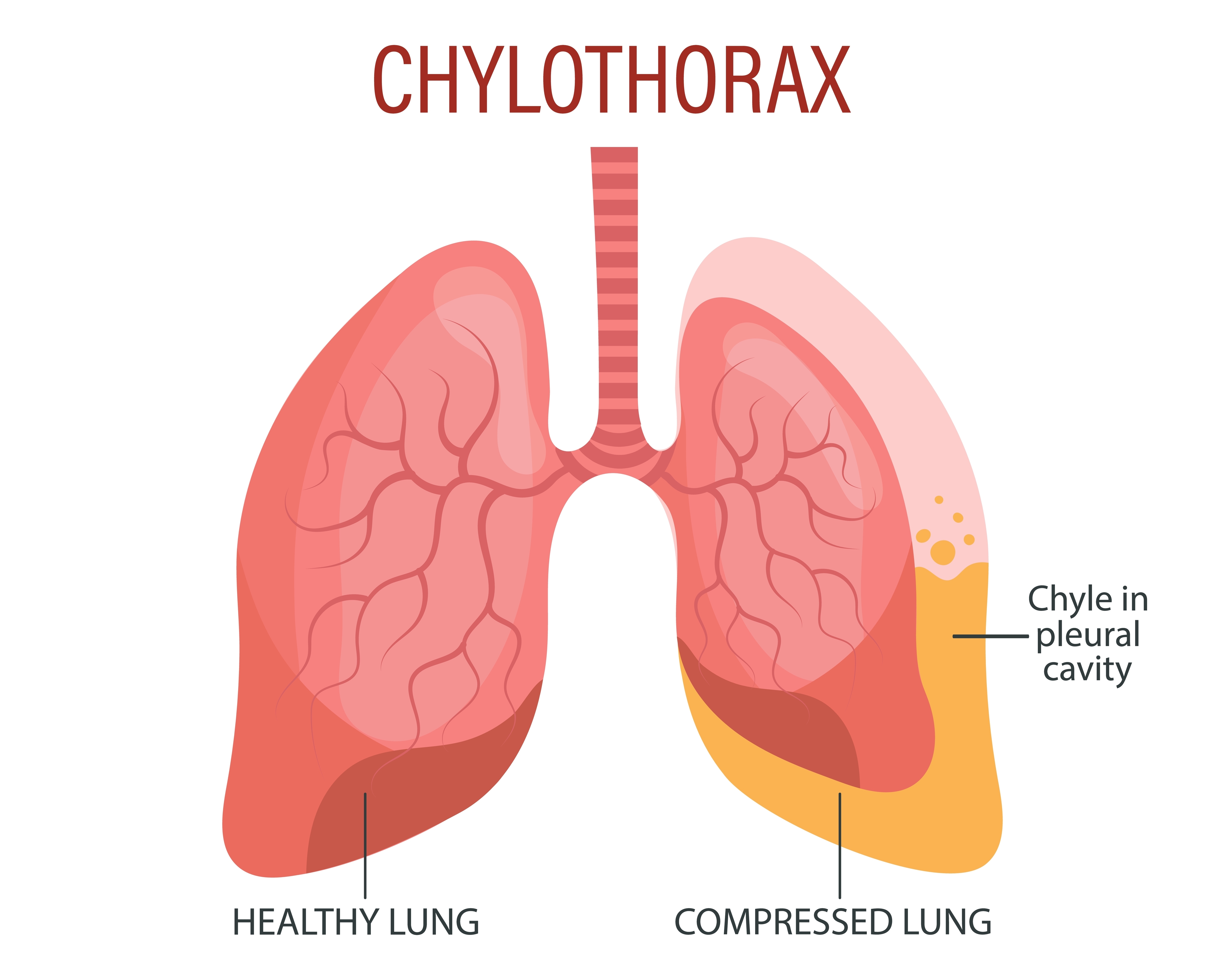
When doctors first noticed a dark shadow on an ultrasound beside her tiny heart, no one could have imagined what it meant. For Stacie and Stephen, expecting parents full of anticipation, the scan should have been a moment of reassurance and excitement. Instead, it became the first sign of a journey that would change their lives forever. Doctors observed fluid in the baby’s lungs and a collapsed lung that had pushed her heart to the opposite side of her chest. They warned that her survival after birth was uncertain. What they could not foresee was that their daughter, Harleigh Tidd, would become the only known person in the world diagnosed with a particular combination of medical conditions that medicine had never recorded before.
Harleigh was born in 2022 in the United Kingdom and immediately defied every prediction. Doctors gave her a thirteen percent chance of survival, yet she took her first breaths and held on to life. Her parents called her their miracle baby, a child who fought from the very beginning. For a short time after birth, it seemed as though the worst was behind them. But within days, Harleigh’s lungs filled with fluid again. What began as a mystery soon became a long and painful chapter of hospital stays, sleepless nights, and constant medical intervention.

Understanding the Mystery Behind Harleigh’s Condition
Over time, Harleigh’s condition puzzled even the most experienced specialists. She underwent thirty-eight surgeries in an attempt to keep her lungs clear and her breathing stable. After extensive testing and observation, doctors finally concluded that she was suffering from a combination of lymphangioleiomyomatosis, chylothorax, and skeletal dysplasia. This combination is so rare that no other person in the world has been known to have it. Each of these conditions alone is difficult to manage, but together they created a situation so complex that even advanced medical teams struggled to control it.
Lymphangioleiomyomatosis, often called LAM, causes abnormal growth of smooth muscle cells within the lungs and lymphatic system. The lymphatic system is responsible for carrying fluids, nutrients, and immune cells throughout the body, acting as one of our most important defense networks. When this system becomes damaged or starts leaking, it can lead to dangerous fluid accumulation. In Harleigh’s case, her lymphatic system was releasing a fluid called chyle into her lungs. Chyle is a milky substance that normally helps absorb fats in the small intestine. Once it starts building up in the lungs, it prevents proper breathing and can lead to repeated lung collapses, infections, and exhaustion.
The doctors tried every possible medical intervention, from chest drains and surgical procedures to experimental medications that aimed to reduce fluid leakage. But the disease spread to her stomach, spleen, and bowel. In late 2024, the medical team had to deliver the most heartbreaking news of all: there was nothing more they could do. The focus shifted from aggressive treatment to palliative care, a form of medical support that prioritizes comfort and peace during the final stages of life.

A Mother’s Strength and a Father’s Hope
Throughout her short life, Harleigh has spent more time in hospitals than she has at home. Her mother, Stacie, left her job to become her full-time caregiver, staying by her side through every operation, every setback, and every small moment of hope. She recalls how even in the most difficult times, Harleigh found ways to smile. That smile became a symbol of strength for everyone who met her. “She is our little warrior princess,” Stacie said. “No matter how much pain she is in, she keeps smiling.”
When doctors told the family that the disease was spreading quickly and that Harleigh might only have weeks to live, they were crushed. Yet they refused to let despair be the final chapter of their story. Instead, they began planning something beautiful. Stacie and Stephen started fundraising to take Harleigh on one last family trip to Disneyland. They wanted her final memories to be filled with magic, laughter, and the joy every child deserves. For them, this trip represents more than a vacation. It is a celebration of her life, a way to honor the little girl who has fought through every storm with grace and courage.

What Makes a Disease “Ultra-Rare”
Harleigh’s condition has drawn attention not only because of its medical mystery but also because it highlights a larger issue in the world of healthcare. Rare diseases affect fewer than one in two thousand people, but when a case is so unusual that only one person in the world has it, doctors call it an ultra-rare or orphan disease. These cases are often the most difficult to treat because they are not well-studied, and there are no established treatment plans or clinical trials to rely on. Families are often left searching for answers that simply do not exist.
For children like Harleigh, the road to diagnosis can be long and uncertain. Symptoms might resemble more common illnesses, causing delays in finding the real cause. Parents spend years moving from one specialist to another, hoping for clarity. Yet, despite the challenges, cases like Harleigh’s hold enormous scientific value. Every ultra-rare diagnosis helps researchers understand more about the human body. It provides clues that could one day lead to new therapies or breakthroughs for other children facing rare conditions. Harleigh’s case, though tragic, may ultimately expand medical knowledge in ways that benefit countless others in the future.

Living With an Uncurable Condition
When medicine reaches its limits, families are left to rely on something far stronger than science: love. Living with a condition that cannot be cured changes everything about how a family experiences daily life. Each moment becomes precious, each laugh a memory to hold onto. For Harleigh’s parents, even the smallest victories feel monumental. A pain-free day, a giggle, a moment of rest all become reminders that life, even when fragile, still holds beauty.
The emotional weight of caring for a terminally ill child is enormous. Many parents describe it as living in two realities at once. On one hand, there is the deep grief of knowing time is running out. On the other, there is the determination to make each day meaningful. This is where emotional and psychological support becomes essential. Palliative care teams not only manage physical symptoms but also guide families through emotional healing and acceptance. In Harleigh’s case, the team has helped her parents focus on comfort, peace, and creating memories that will last long after she is gone.

Image via GoFundme
Stacie and Stephen have also made the incredibly selfless decision to donate Harleigh’s organs for research after her passing. They want her story to contribute to science, to help doctors understand why such conditions develop, and to give other children a chance at a better future. In their words, if their daughter’s short life can lead to knowledge that saves even one life in the future, then she will have made her mark on the world in the most meaningful way possible.
The Importance of Awareness and Compassion
Stories like Harleigh’s remind us that the human body is both resilient and fragile. Rare diseases reveal how intricate our systems truly are and how small genetic variations or developmental differences can have immense consequences. Awareness is the bridge between compassion and action. When people learn about rare diseases, they become more empathetic toward the families affected and more motivated to support medical research.
Increased awareness also improves diagnosis rates. Many parents spend years without answers simply because their child’s symptoms do not fit any known pattern. By sharing stories like Harleigh’s, healthcare professionals and the public become more attuned to the signs of rare diseases. This attention can lead to earlier testing, faster diagnosis, and a better quality of life for future patients. Awareness also encourages funding for scientific research, which remains one of the biggest challenges in the field of rare conditions.

Image via GoFundme
Finding Light in the Darkest Times
Despite the heartbreak that surrounds Harleigh’s condition, her family’s story is ultimately one of hope. Their courage to speak about their experiences has touched thousands of people, many of whom have reached out with messages of support. Stacie often shares how her daughter’s laughter continues to fill their home even on the hardest days. She says that Harleigh’s joy has changed her perspective on life and taught her what true strength looks like.
Every photograph of Harleigh shows a child full of warmth and light. Whether she is watching cartoons, holding her mother’s hand, or playing with her favorite toys, she radiates happiness. Her parents have chosen to focus on celebrating her life rather than counting the days she has left. It is a lesson in living fully, in embracing love even when the future is uncertain.
The Heart Never Forgets: A Family’s Love Beyond Diagnosis
Harleigh’s story is not only about a rare disease but about what it means to be human. It shows how love can carry people through pain and how courage can exist even in the smallest bodies. Her parents’ determination to give her joy in her final days is a reminder that life, no matter how brief, can be filled with meaning.
They plan to make every remaining moment count, whether it is watching fireworks at Disneyland or simply holding her close while she sleeps. Stacie says that although her daughter’s time may be short, her impact will last forever. She believes that Harleigh’s journey has taught her to appreciate every sunrise, every hug, and every heartbeat.
Harleigh’s laughter, her strength, and her parents’ devotion form a story that transcends medicine. It is a story of humanity, of finding beauty in the most fragile moments, and of realizing that love is the most powerful medicine of all.
To help Harleigh’s family create lasting memories and learn more about her story, visit their fundraiser: https://www.gofundme.com/f/vpbn6-family-support
