
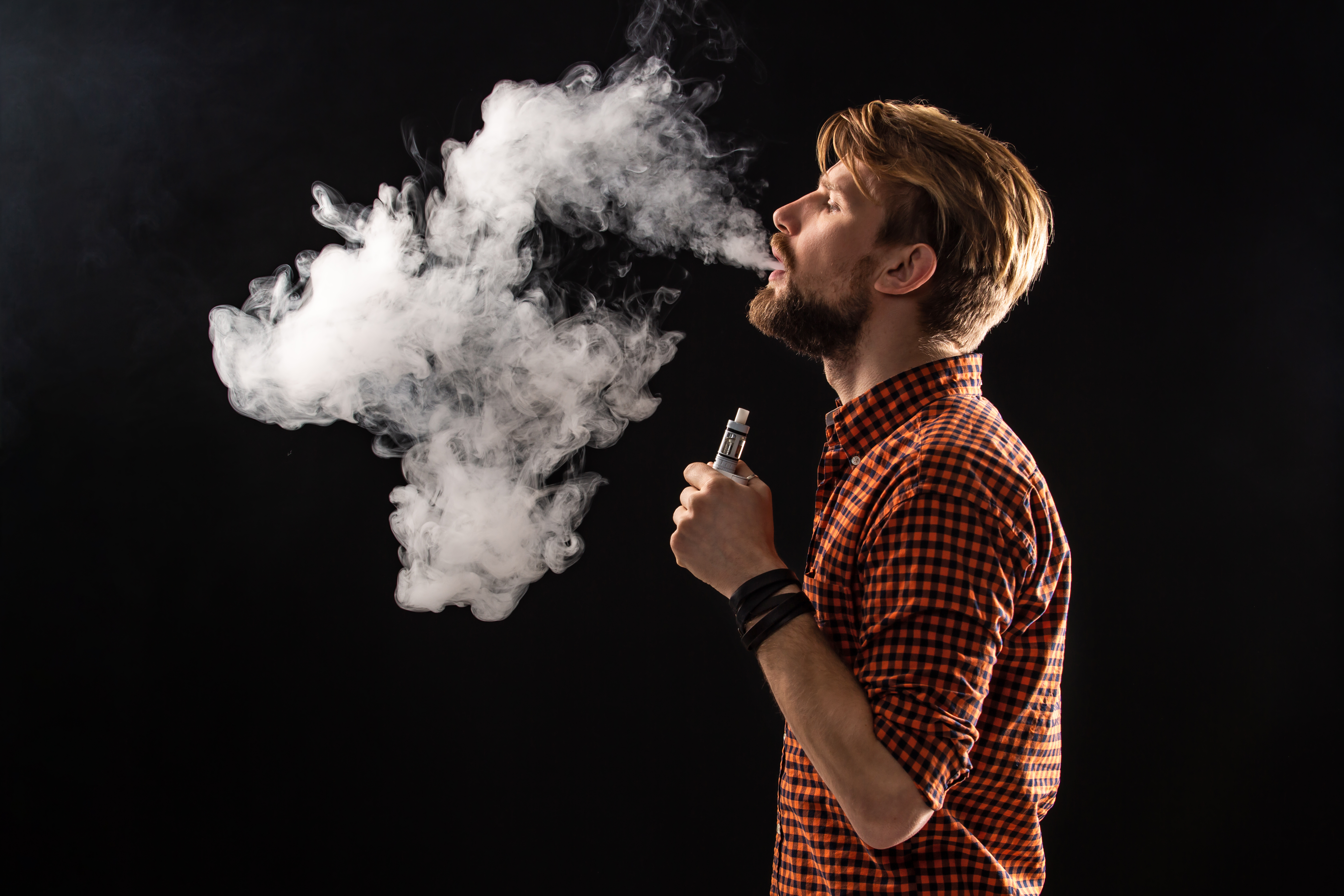
Cigarette smoking has long been associated with serious respiratory and cardiovascular damage. In recent years, vaping has entered the conversation as a supposedly safer alternative. Promoted as a smoking cessation tool or a less harmful option, e-cigarettes have become especially popular among young adults and former smokers. But how different are the health outcomes between smoking and vaping—particularly when it comes to respiratory symptoms?
Recent studies, including self-reported surveys and controlled physiological testing, offer clearer insight into this question. The evidence points to a complicated picture: vaping may lead to fewer immediate respiratory complaints than smoking, but it’s not without measurable health effects. And the longer the habit continues, the more important it becomes to understand what those effects are.
Understanding the Basics: Smoking and Vaping

Cigarette smoking involves inhaling the smoke from burning tobacco, which releases a complex mix of over 7,000 chemicals—including tar, carbon monoxide, formaldehyde, benzene, and nicotine. These substances enter the lungs, where they trigger inflammation, damage the airway lining, and impair the function of the alveoli—tiny sacs responsible for oxygen exchange. Over time, this damage increases the risk for chronic respiratory conditions like bronchitis, emphysema, and COPD, and contributes to heart disease and multiple types of cancer.
Vaping, by contrast, delivers nicotine through a battery-powered device that heats a liquid into an aerosol. This e-liquid typically contains nicotine, flavorings, propylene glycol, and vegetable glycerin. Although vaping avoids combustion, the aerosol produced is not benign. Research has identified potentially harmful substances in vape aerosol, including heavy metals (like nickel and lead), volatile organic compounds, and ultrafine particles that can reach deep into the lungs. These ingredients may cause cellular irritation, oxidative stress, and in some cases, trigger immune responses that mirror those seen in early lung damage.
While vaping is often marketed as a “cleaner” alternative to smoking, it still introduces foreign substances into the lungs. And unlike smoking, which has a defined start and stop point (a single cigarette), vaping devices allow for prolonged, sometimes continuous use. This raises concerns about dose accumulation—particularly with high-strength nicotine liquids or frequent puffing—and how that might affect long-term respiratory and cardiovascular health. The growing body of research now points to a need for more critical scrutiny of both methods, especially as vaping use increases among teens and non-smokers.
Smokers vs. Vapers: Who Reports More Breathing Issues?
A large-scale survey by Darabseh et al. involving 891 participants—788 vapers and 103 cigarette smokers—offers one of the clearest comparisons to date of how smoking and vaping affect respiratory health. The results were consistent: cigarette smokers reported a higher frequency and severity of respiratory symptoms compared to both groups of vapers (those who never smoked and those who previously did). These symptoms included chest pain, wheezing, sputum production, persistent coughing, dry mouth, sore throat, shortness of breath, and sleep disturbances caused by breathing issues.
The study found no meaningful difference in symptom frequency between pure vapers and vapers who were former smokers. This suggests that switching from smoking to vaping may help reduce certain respiratory symptoms over time. However, it’s important to note that vapers—regardless of smoking history—still experienced symptoms, especially when using high-nicotine products or vaping frequently. The most common issues reported by vapers included dry cough, sore throat, and mouth irritation, which tended to correlate with nicotine strength and puff frequency.
The researchers also emphasized that while vaping resulted in fewer immediate respiratory complaints, this does not equate to being symptom-free or safe. In fact, even though cigarette smokers were, on average, younger than the ex-smoker vapers in the study, they showed significantly worse respiratory outcomes. This points to the high and sustained respiratory burden caused by smoking—but it doesn’t exempt vaping from concern. The presence of symptoms in both groups indicates that inhaling any foreign substances into the lungs, even without combustion, carries health risks.
Why Vaping Still Causes Symptoms

Although vaping is often seen as a less harmful alternative to smoking, it’s not without side effects—especially when it comes to respiratory health. In the same survey conducted by Darabseh et al., vapers reported a range of symptoms that were strongly linked to their usage patterns. Higher nicotine concentration in vape liquids, more frequent puffs per session, and longer puff duration were all associated with increased rates of dry cough, sore throat, sinus irritation, mouth discomfort, and even heart palpitations. These symptoms were not isolated to ex-smokers; they appeared in pure vapers as well.
The data show that nicotine itself, regardless of delivery method, can act as an irritant. For example, vapers using products with nicotine concentrations above 6 mg/mL reported significantly more frequent sore throat symptoms than those using lower strengths. Similarly, longer puff durations were associated with wheezing, and frequent use was linked to chest discomfort and a choking sensation. These findings suggest that even in the absence of combustion, repeated exposure to aerosolized nicotine and other additives still stresses the respiratory system.
What makes vaping particularly concerning is the tendency for users to underestimate its impact. Unlike cigarettes, which have a clear start and finish, vaping allows for nearly continuous use. This increases overall exposure to nicotine and other chemicals, even if the individual sessions feel lighter or less harsh. Over time, this kind of usage pattern could lead to cumulative effects on lung function, making it important to monitor symptoms and reevaluate use—especially among those who didn’t previously smoke.
New Controlled Research: Vaping and Your Blood Vessels

While surveys help identify patterns in symptoms, controlled studies are critical for understanding what’s happening inside the body. A recent study led by Dr. Maxime Boidin at Manchester Metropolitan University focused on the vascular effects of vaping versus smoking. Researchers used flow-mediated dilation (FMD), a reliable method to assess blood vessel function by measuring how arteries respond to increased blood flow. The study included participants between the ages of 18 and 45, all with similar fitness levels, and required them to abstain from vaping, smoking, and physical activity for 12 hours before testing.
The results were clear. Both smokers and vapers showed similarly impaired blood vessel function. The FMD test revealed “flat” responses—an indication of stiffness or damage in the arterial lining. Additional testing showed poor blood flow to the brain in both groups. These findings suggest that the chemicals inhaled through vaping can damage blood vessels in ways that are comparable to cigarette smoke. While nicotine was a central factor, other components—such as propylene glycol, glycerin, and chemical flavorings—likely contributed to inflammation and oxidative stress, both of which are known to harm vascular health.
Dr. Boidin noted that the widespread belief that vaping is significantly safer than smoking doesn’t hold up under controlled physiological testing. “The dangers for someone who keeps vaping are no different from smokers,” she told the Mirror. One key difference between the two habits is that smokers typically pause between cigarettes, while vapers often continue puffing throughout the day. This constant exposure may lead to more frequent and prolonged vascular strain, even if the user feels fewer respiratory symptoms in the short term.
How to Reduce Harmful Exposure if You Vape or Smoke

Quitting altogether is the most effective way to protect your respiratory and cardiovascular health—but if you’re not ready to stop yet, you can still take steps to reduce the impact of vaping or smoking on your body. These aren’t suggestions for moderation; they’re practical adjustments based on what the data shows about symptom frequency and exposure risks.
If You Vape:
- Choose lower nicotine strengths. Products with more than 6 mg/mL were linked to higher rates of sore throat, coughing, and mouth irritation.
- Limit the number of puffs per session. More frequent use increases your exposure to airway irritants and nicotine-related symptoms.
- Avoid continuous vaping. Unlike smoking, vaping can be near-constant. Set limits—like no vaping during work hours or after a certain time at night.
- Track your symptoms. If you notice frequent wheezing, sore throat, or shortness of breath, take them seriously and consider cutting back or seeking medical advice.
If You Switched From Cigarettes to Vaping:
- Treat vaping as a temporary tool. It may reduce symptoms short-term, but long-term safety is still unclear. Create a step-down plan to eventually stop.
- Don’t ignore new or ongoing symptoms. A reduction in symptoms doesn’t mean you’re in the clear. Both smokers and vapers report persistent issues.
- Seek professional support. Talk to your doctor about proven smoking cessation tools like nicotine patches, gum, or behavioral support programs.
These adjustments won’t erase all risks, but they can reduce your exposure while you work toward quitting. The goal is to move away from both habits entirely—not get comfortable with less discomfort.
Common Misconceptions About Vaping and Smoking

Widespread beliefs about vaping often minimize its risks. Marketing, peer influence, and lack of regulation have helped shape public perception—but current evidence challenges many of these assumptions. It’s important to separate what’s commonly believed from what the research actually shows.
- “Vaping is just harmless water vapor.”
This is false. Vape aerosol contains fine particles, nicotine, heavy metals, and volatile organic compounds. These substances can irritate the lungs, damage blood vessels, and contribute to inflammation. The absence of smoke doesn’t make the aerosol safe. - “If I never smoked, vaping won’t affect my lungs.”
Research shows that even people who have never smoked but vape regularly still report symptoms such as coughing, sore throat, and shortness of breath. These effects are directly tied to vaping behavior—especially nicotine concentration and puff frequency. - “Vaping doesn’t harm the heart like cigarettes do.”
Controlled studies using flow-mediated dilation tests have shown that vapers and smokers experience similar vascular damage. Poor blood flow and damaged artery walls are not exclusive to tobacco smoke—nicotine and other vape chemicals contribute as well. - “I can vape all day without consequence.”
Unlike cigarettes, vapes don’t have a natural stopping point. This leads to frequent and prolonged use. The longer and more often you vape, the more likely you are to experience cumulative damage, even if the symptoms seem mild at first.
Recognizing these realities doesn’t mean every user needs to panic—but it does mean reevaluating how “safe” vaping actually is. The more accurate the understanding, the better the decisions people can make about their health.
Less Harmful Doesn’t Mean Harmless

The data is consistent: vaping leads to fewer respiratory complaints than cigarette smoking, but that doesn’t make it safe. Both self-reported surveys and controlled physiological studies show that vaping still causes symptoms and measurable damage—particularly to the lungs and blood vessels. The reduced smell, absence of smoke, and ease of access can make it feel less risky, but those factors don’t change what’s happening inside the body.
Respiratory issues like dry cough, sore throat, and wheezing are common among regular vapers. Controlled testing also shows impaired blood flow and stiffened arteries—outcomes that mirror those seen in cigarette users. While vaping may offer short-term symptom relief for people transitioning away from smoking, it’s not a long-term solution. Nicotine dependency, frequent use, and chemical exposure remain part of the equation.
If you’re currently vaping or smoking, the path forward doesn’t require fear—but it does require honesty. Acknowledge the symptoms, review your habits, and make a plan to stop altogether. Vaping may be the lesser of two harms, but it’s still a risk—and one that’s avoidable with the right support and information.
Source:
- Darabseh, M. Z., Aburub, A., Morse, C. I., & Degens, H. (2024). The association between smoking/vaping habits and self-reported respiratory symptoms. Multidisciplinary Respiratory Medicine, 19(Vol. 19 (2024)). https://doi.org/10.5826/mrm.2024.976
- Darabseh, M. Z., Selfe, J., Morse, C. I., & Degens, H. (2020). Is vaping better than smoking for cardiorespiratory and muscle function? Multidisciplinary Respiratory Medicine, 15. https://doi.org/10.4081/mrm.2020.674
