
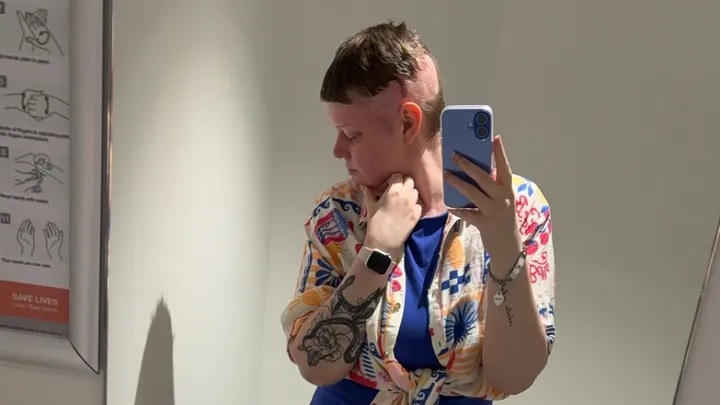
At 31, Amanda Hedges had meticulously sculpted a life of security and health, charting a path she believed would steer her clear of unforeseen misfortunes. With a routine that included regular health checks and a career that demanded much of her time but promised stability, Amanda lived a life many would deem ‘correct’ by all standard measures. Yet, life’s unpredictable nature has a way of unraveling even the most carefully laid plans.
Today, Amanda faces a reality that contradicts every precaution she took—a terminal diagnosis that not only challenges her expectations for the future but also forces her to confront a profound regret. This is the story of a young woman who did everything right, only to discover that she missed out on what truly mattered. As Amanda shares her reflections, she brings us face-to-face with the question: What does it really mean to live?
Amanda’s Life Before the Diagnosis
Amanda Hedges had always been the epitome of prudence and foresight. Raised in a family where longevity seemed a common heritage—only one of her grandparents had passed away in old age—Amanda grew up with an inherent belief in the durability of her health and the length of her life. This belief shaped every aspect of her existence, from her career choices to her daily routines and long-term planning.
Professionally, Amanda was a dedicated worker, often the first to arrive and the last to leave the office. Her career in digital marketing demanded precision and long hours, but it also promised a stable and upward trajectory, something she deeply valued. Outside of work, Amanda led a life marked by routine wellness checks and a diet that favored organic foods and balanced meals. Exercise was a regular part of her schedule, not just for fitness but as a preventive measure against potential health issues.
Her social life, while not overly vibrant, was filled with small, meaningful gatherings with close friends and family. These were often meticulously planned to fit into her busy schedule, ensuring no conflict with her professional responsibilities. Big, spontaneous adventures were rare; Amanda preferred the security of planned excursions and was content with the occasional seaside holiday or a well-organized trip to the zoo.
Financially, Amanda was just as cautious. She saved rigorously, investing in a future that she saw as assuredly distant and ripe with possibilities. Her retirement fund was well tended, and any expenditure was carefully weighed against her long-term financial goals. This careful planning extended to every part of her life, embodying a philosophy of precaution and prevention.
In Amanda’s view, she was doing everything right—living responsibly, planning diligently, and taking no unnecessary risks. Little did she know, life had an unexpected turn in store, one that would challenge the very foundations of her meticulously constructed world.
The Moment of Truth: Diagnosis

The shift in Amanda’s well-ordered life began subtly—a few light headaches that seemed more a nuisance than a warning. Initially, Amanda attributed these headaches to a recent increase in her anxiety medication, a logical conclusion given her otherwise impeccable health record. However, when the headaches persisted, her psychiatrist suggested an MRI to rule out any unforeseen complications. This recommendation seemed routine, a precautionary step Amanda was all too familiar with in her structured life.
On the day of the MRI, Amanda approached the procedure with her typical calm and preparation, expecting nothing more than a standard report confirming her health. The atmosphere in the radiology center was clinical and impersonal, a stark contrast to the warm, vibrant life she envisioned outside its walls. After the initial scan, while waiting in the subdued buzz of the radiology center’s waiting room, the course of her life changed with a few quiet words from the radiographer.
The radiographer, clipboard in hand, approached with a seriousness that instantly filled the room with tension. Amanda, ever the optimist, tried to cut through the heaviness with humor. “What did you find… a brain tumor?” she joked. The response, however, was not the dismissive chuckle she expected but a grave affirmation. “Yes,” said the radiographer, his expression unreadable. The casualness of her question met with such stark reality sent a chill down her spine, and the room seemed to spin as the weight of the words settled in.
The follow-up procedures were a blur of cold machines and stark, fluorescent lights. Contrast was used in a repeat MRI to get a clearer picture of the anomaly detected earlier. As she lay there, trying to stay still amidst a whirlwind of emotions, Amanda felt a profound isolation, her normally busy mind grappling with the severity of her situation.
The subsequent days were filled with consultations and more tests. Amanda’s previously unblemished medical records now bore the mark of her condition—glioblastoma, an aggressive and terminal brain cancer. The doctors explained the rarity of such a diagnosis in someone her age, typically seen in older adults. Despite the advanced medical jargon and the reassurances of potential treatment plans, the reality was clear: Amanda’s life would never be the same.
Living with Cancer: A Shift in Perspective

Amanda’s daily existence was transformed following her diagnosis. Confronted by the limitations of her remaining time, she began to reassess what truly mattered. Her rigorous treatment schedule, marked by cycles of radiotherapy and chemotherapy, was as much a part of her new reality as her reflections on missed life opportunities. Despite the overwhelming side effects—nausea, fatigue, breathlessness—these medical interventions provided Amanda with something unexpected: a renewed perspective on life.
Determined not to let her diagnosis define her remaining days, Amanda sought to infuse her life with the experiences she had previously set aside. This involved crafting a bucket list that was no longer just a dream, but a list of immediate goals. Top of this list was the desire to reconnect with the simple pleasures she had overlooked—listening to the waves at a beach hotel, enjoying the unbridled joy of a buffet without concerns about diet or expense, and revisiting cherished places from her childhood like the Australia Zoo.
As Amanda shared her revised bucket list with friends and family, her intentions became a rallying point for support. Her community came together, helping to make these wishes a reality. This collective effort not only brought Amanda closer to achieving her dreams but also strengthened her relationships, providing comfort and joy during an extraordinarily difficult time.
Embracing her new outlook, Amanda also became an advocate for living authentically and passionately, regardless of the circumstances. She began documenting her experiences and thoughts in a blog, which not only served as a therapeutic outlet for her but also connected her with others facing similar battles. Her writings, filled with honesty and insight, drew a wide readership who found inspiration and strength in her words.
Lessons from Amanda’s Ongoing Journey Through Life

As Amanda faced the challenges of terminal cancer, her reflections on life took on new meaning. With limited time, she became vocal about the lessons she learned, hoping to inspire others to prioritize what truly matters.
- Live in the Moment: Amanda emphasized the importance of not waiting for “someday” to pursue dreams or spend time with loved ones. She reminded others that the future is uncertain, and delaying joy often leads to missed opportunities.
- Value Relationships Over Achievements: Reflecting on her career-focused life, Amanda highlighted the irreplaceable warmth of meaningful connections, advising others to invest in relationships rather than chasing accolades or wealth.
- Let Go of Trivial Worries: She encouraged people to shift their focus from minor stresses to what truly enriches life, underscoring how unimportant daily anxieties can feel in the face of life’s bigger picture.
- Prioritize Joy: Amanda’s heartfelt advice was to actively seek happiness in simple pleasures—whether it was a beach trip, a special meal, or laughter with loved ones. She believed joy should never be postponed.
- Reassess Often: She advocated for regular self-reflection to ensure life choices align with one’s true desires, helping others avoid regrets by staying true to themselves.
Amanda’s wisdom serves as a reminder to embrace the present, nurture relationships, and live intentionally, making every day meaningful.
Living the Moments That Truly Matter
Amanda Hedges’ story serves as a profound reminder of life’s unpredictability and the need to embrace each moment fully. Her journey, marked by diligence and caution, ultimately led to insights about prioritizing joy, meaningful relationships, and presence over rigid planning. Amanda’s candid reflections challenge us to reconsider our priorities and avoid the trap of deferring life’s pleasures in pursuit of future security.
Her legacy inspires us to take action today—living authentically, loving deeply, and finding joy in the simple moments that make life rich. Amanda’s story reminds us that every day is a precious, non-renewable resource, urging us to make the most of the time we have and create a life filled with genuine fulfillment and heartfelt connections.
Featured image source: Amanda Hedges’ gofundme
