
You lie in bed at 2 AM, staring at your ceiling and mentally cataloging every mistake you made during your presentation last Thursday. Your mind races through tomorrow’s to-do list while your body begs for rest. Sound familiar?
Most adults need between seven and nine hours of sleep each night to function at their best, according to medical professionals. Yet achieving quality sleep remains one of modern life’s biggest challenges. Stress, anxiety, caffeine consumption, and racing thoughts conspire against us when we need rest most.
What if fighter pilots during World War II discovered a technique so powerful that it helped them fall asleep in combat zones surrounded by gunfire and chaos? Better yet, what if 96 percent of people who learned this method could replicate their success after just six weeks of practice?
Before you dismiss such claims as impossible, consider where these techniques originated and why military personnel needed them in the first place.
Fighter Pilots and Battlefields Need Sleep Too
During World War II, military leaders noticed something alarming about their pilots. Sleep deprivation wasn’t just making these aviators tired; it was destroying their ability to make split-second decisions that determined whether entire aircraft crews lived or died. High-level reasoning abilities and verbal communication skills deteriorated first, well before short-term memory showed any signs of impairment.
A single wrong decision made by an exhausted pilot could mean shooting down friendly aircraft or flying into enemy territory without backup. Military brass understood they needed a solution fast.
Enter Lloyd “Bud” Winter, a track and field coaching legend who had spent years helping Olympic athletes achieve peak performance through relaxation techniques. Winter’s philosophy centered on one key insight about human performance and rest. Athletes who learned to relax completely between events performed better than those who remained tense. Military officials wondered if his methods could help pilots sleep in impossible circumstances.
Winter authored a book called Relax and Win, which detailed his championship performance strategies. Within its pages, he documented a sleep method that would change how military personnel approached rest in high-stress environments. Navy officials brought Winter in to teach pilots how to fall asleep within two minutes, regardless of external conditions.
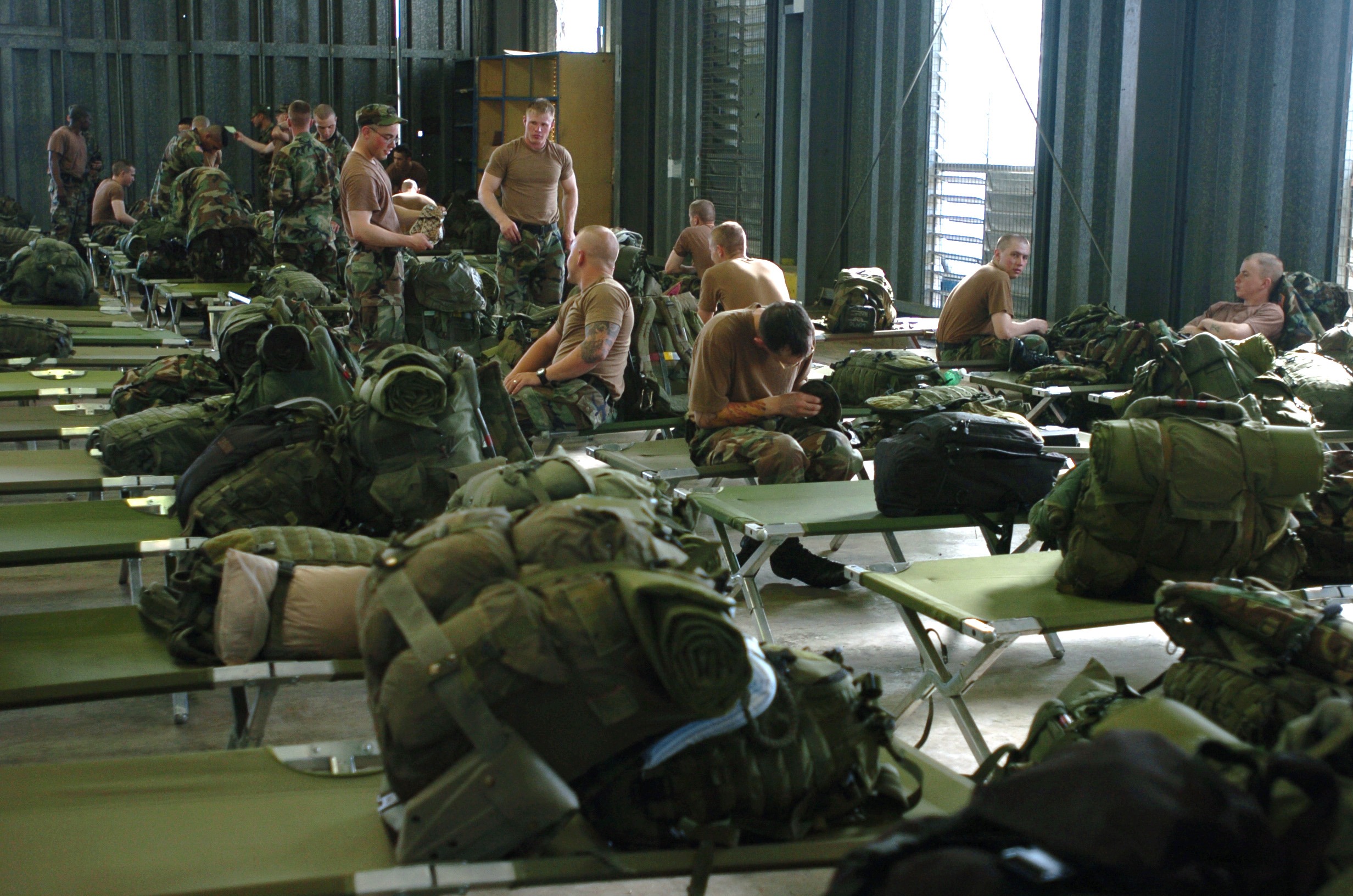
After six weeks of consistent practice, 96 percent of pilots mastered the technique. Even more remarkable was where they could now sleep. Gunfire echoing nearby? No problem. Bright daylight flooding their quarters? They drifted off anyway. Uncomfortable positions that would normally keep anyone awake for hours? These trained pilots found rest within minutes.
Combat soldiers adopted the same method when they needed precious moments of sleep in active war zones. If this technique worked for people facing life-or-death situations with adrenaline pumping through their veins, imagine what it could do for someone lying in a comfortable bed at home.
Breaking Down the Two-Minute Technique

Four basic components make up Winter’s military sleep method. Each step builds on the previous one, creating a cascade of relaxation that signals your brain to shut down and rest. Fitness coach Justin Agustin brought renewed attention to these techniques by sharing them with civilians who desperately needed better sleep.
Your body contains hundreds of muscles that hold tension throughout the day without you realizing it. Your face alone houses 43 separate muscles that clench, tighten, and stress in response to every email, conversation, and worry that crosses your mind. Winter understood that releasing this physical tension was only half the battle.
Mental stillness matters just as much as physical relaxation when you want sleep to arrive quickly. An overactive mind will keep you awake even when your body feels ready to rest. Winter developed specific visualization techniques that quiet racing thoughts and create the mental space needed for sleep to take over.
Six weeks might seem like a long time to master a sleep technique, but consider what you gain. Imagine having the power to fall asleep almost anywhere, anytime you need rest. Soldiers proved this skill works in the most challenging environments humans can face. Your bedroom at night should be significantly easier.
Step One: Find Your Comfort Zone
Begin by getting as comfortable as your current situation allows. Ideally, you want to lie down in a bed with proper support and a pleasant temperature. Reality often demands flexibility, though.
Winter designed this method for pilots who needed rest in cockpits, soldiers who found themselves in bunkers, and personnel who had mere minutes to sleep wherever they could slump down. Your office chair during a lunch break or your car’s reclined seat both work fine.
Position matters less than you might think because the subsequent steps override most physical discomfort. Veterans of this technique report falling asleep while sitting upright in uncomfortable positions that would normally keep anyone wide awake for hours. Once you find a spot where you can settle in and stop moving, you’re ready for the most powerful component of this entire method.
Step Two: Face Relaxation is Your Secret Weapon

Winter insisted that facial relaxation represented the single most important element for quick sleep onset. Scientists now understand why his intuition proved correct. Your face acts as a direct communication channel between your conscious mind and your autonomic nervous system that controls sleep.
When your facial muscles release all tension, your brain receives an unmistakable signal that danger has passed and rest can begin. Keeping just one muscle group tight in your face can prevent this entire cascade from working properly.
Start with your forehead and scalp. Many people carry tension here without realizing it until they consciously release it. Feel the muscles smoothing out as you let them go limp. Move down to your eyes, which contain six separate muscles each that work constantly to track movement and focus attention throughout your day.
Your cheeks, jaw, and mouth all require individual attention. People often clench their jaw during stress, and this tension lingers long after the stressful situation passes. Let your tongue rest heavy in your mouth without pressing against your teeth or palate. Allow your lips to part slightly if that feels more natural than keeping them pressed together.
Winter taught pilots to identify each facial muscle as it released tension. Awareness matters because your conscious attention helps override habitual patterns of holding stress in these areas. Spend time really feeling each muscle group, let go before moving to the next area.
Once your entire face feels soft and heavy, you’ve completed the hardest part of this technique. Your brain has already started shifting into pre-sleep mode, even if you don’t consciously notice the change yet.
Step Three: Let Your Body Turn to Jelly
Now you’ll extend the same relaxation process through your entire body, moving systematically from your shoulders down to your feet. Your shoulders likely sit higher than their natural resting position right now because modern life trains us to hold tension there.
Drop your left shoulder first, letting it fall as far down as gravity will take it. Release all the muscles holding it up. Your neck should feel the difference immediately as pressure releases from the top of your spine. Now do the same with your right shoulder.
Move to your dominant arm next. Start with your hand and let it go completely limp. Feel the tension draining from your forearm, then your bicep. Your arm should feel heavy and useless, like a weight hanging from your shoulder. Repeat the same process with your other arm.
Your torso comes next, though most people find this area releases automatically once their shoulders and arms relax completely. Feel your chest softening and your breathing becoming deeper without any conscious effort to control it.
Begin working down one leg, starting with your buttock and thigh. Let all those large muscle groups go soft. Release tension in your knee, then feel your calf muscles loosening. Finally, let your foot and toes go limp. Complete the same sequence with your other leg.
Your entire body should now feel like jelly, as Winter described it. You might feel slightly disconnected from your limbs, as if they belong to someone else. Some people report feeling like they’re sinking into their bed or chair as this deep relaxation takes hold.
Physical relaxation alone won’t guarantee quick sleep onset, though. You need one more piece to complete the puzzle.
Step Four: Mental Stillness for 10 Seconds

Winter provided three specific techniques for achieving mental stillness, and you only need one of them to work. If your mind tends to wander despite your best efforts to clear it, having multiple options increases your chances of finding one that clicks for you.
Visualization one asks you to imagine a warm spring day where you’re lying in the bottom of a canoe on a perfectly calm lake. Look up at the blue sky above you and watch lazy clouds drift past. Hold only this image in your mind. When other thoughts try to intrude, gently push them away and return your focus to the clouds and sky. Maintain this peaceful scene for 10 seconds.
Visualization two creates an even simpler mental image. Picture yourself in a big black velvet hammock surrounded by darkness in every direction. Nothing exists except you and this comfortable darkness. Hold this image without letting any other thoughts creep in for 10 seconds.
If visualizations don’t work well for your brain, Winter offered a third option. Simply repeat the words “don’t think” to yourself over and over for 10 seconds. Don’t worry about other thoughts that pop up. Just keep saying “don’t think” and let those intrusive thoughts drift past without engaging with them.
According to Winter, when you achieve a fully relaxed body combined with 10 or more seconds of mental stillness, sleep will arrive. Period. No exceptions. Your nervous system has no choice but to initiate sleep under these conditions because you’ve removed every signal that normally keeps you alert and awake.
Six Weeks of Practice Pays Off

Military pilots didn’t master this technique overnight. Most required six weeks of consistent practice before they could reliably fall asleep within two minutes. Some people naturally take to these methods faster, while others need more time to overcome years of poor sleep habits and chronic tension.
Start practicing tonight, even if you don’t desperately need sleep right now. Building this skill during calm periods makes it available when you really need it during times of high stress or anxiety. Each practice session strengthens the neural pathways that allow quick relaxation and mental quieting.
You might fall asleep during your first attempt, or you might need dozens of practice runs before everything clicks into place. Either outcome represents normal progress. Stick with the method consistently, and you’ll eventually develop the same ability that helped fighter pilots rest in war zones.
When the Method Needs Backup

Sometimes perfect technique still won’t overcome other factors preventing quality sleep. Lifestyle choices affect sleep quality just as much as relaxation methods do. Alcohol consumption ranks among the most common sleep disruptors that people don’t recognize.
Many folks who quit drinking report that improved sleep quality was among the most significant benefits they experienced. Alcohol might help you fall asleep initially, but it prevents your brain from entering the deep sleep stages where real restoration happens.
Caffeine consumption after 3 PM can interfere with sleep many hours later because the stimulant has a longer half-life than most people realize. Your evening cup of coffee might still affect your brain chemistry when you try to fall asleep six hours later.
If you’ve practiced the military method consistently for several months and still struggle with regular sleep problems, professional help might provide solutions tailored to your specific situation. Sleep disorders like apnea, restless leg syndrome, or chronic insomnia require medical intervention beyond relaxation techniques.
Your Decision-Making and Energy Depend on It

Sleep ranks alongside air, water, and food as an absolute requirement for normal human function. Yet we sacrifice sleep more readily than any other basic need, often at great personal cost to our health and performance.
Quality sleep does far more than just reduce tiredness. Your brain processes memories, repairs cellular damage, and consolidates learning during sleep. Decision-making abilities improve dramatically when you consistently get enough rest. Communication skills sharpen when your verbal centers have time to recover from daily use.
Energy levels throughout your day depend largely on sleep quality from the previous night. People with consistent good sleep habits report better mood, increased productivity, and improved relationships compared to chronically sleep-deprived individuals.
Winter’s military method offers a proven path to better sleep that has worked for 96 percent of people who committed to learning it properly. Fighter pilots needed split-second decision-making abilities that kept themselves and their crews alive. Soldiers required rest in environments where sleep seemed impossible. If they could master this technique under those conditions, you can certainly learn it while lying in your comfortable bed at home.
Start tonight by finding your comfortable position and beginning the face relaxation process. Permit yourself to practice without judging your initial results. Six weeks from now, you might discover that falling asleep in two minutes feels as natural as breathing.
