
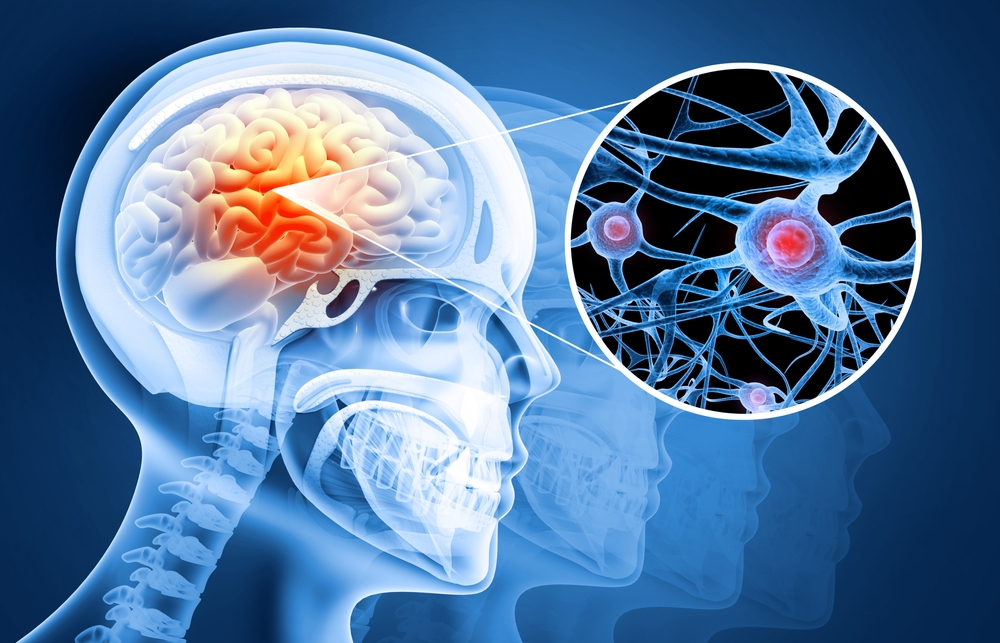
Glioblastoma, a formidable type of brain cancer, has long posed a daunting challenge for patients and medical professionals alike. Known for its aggressive nature and limited treatment options, it has often left patients and their families with more questions than answers. However, a new clinical trial led by researchers at University College London Hospitals is reshaping the narrative, offering a glimmer of hope where few have dared to look.
This innovative approach employs cutting-edge technology to target tumors in a way never seen before, with early results showing promise that could redefine treatment for this devastating disease. The journey of one patient, who has already witnessed dramatic progress, exemplifies the trial’s potential to change lives. But how does this breakthrough work, and what does it mean for the future of cancer treatment?
What is Glioblastoma?
Glioblastoma, often referred to as glioblastoma multiforme (GBM), is the most aggressive and common form of primary malignant brain tumor in adults. Originating from glial cells—specifically astrocytes that support nerve cells—this cancer is notorious for its rapid growth and diffuse infiltration into surrounding brain tissue, making it exceptionally challenging to treat effectively.
Key Characteristics:
- Aggressiveness: Classified as a grade IV astrocytoma, glioblastomas are the fastest-growing brain tumors, leading to swift deterioration in neurological function.
- Symptoms: Early signs are often nonspecific and can include persistent headaches, personality changes, nausea, and symptoms resembling those of a stroke. As the tumor progresses, symptoms may escalate rapidly, potentially leading to unconsciousness.
- Prognosis: The outlook for glioblastoma patients remains dire. Even with aggressive treatment—including surgery, radiotherapy, and chemotherapy—the median survival time is approximately 12 to 18 months. Notably, only about 5% of patients survive beyond five years post-diagnosis.
Standard treatment protocols involve maximal surgical resection of the tumor, followed by concurrent radiotherapy and chemotherapy with agents like temozolomide. Despite these interventions, glioblastomas exhibit a high propensity for recurrence, underscoring the urgent need for more effective therapeutic strategies.
The Breakthrough Therapy

In the relentless pursuit of effective treatments for glioblastoma, the CITADEL-123 clinical trial spearheaded by University College London Hospitals (UCLH) introduces a pioneering approach that directly targets tumor cells with precision.
This innovative therapy involves the direct administration of a radioactive drug, ATT001—an iodine-123 labeled PARP inhibitor—into the tumor site. The process begins with surgical implantation of an Ommaya reservoir, a small medical device placed under the scalp and connected to the tumor via a catheter. Through this reservoir, ATT001 is injected weekly over a period of four to six weeks. The radioactive agent emits targeted radiation that induces lethal damage to cancer cells while sparing surrounding healthy tissue.
Dr. Paul Mulholland, consultant medical oncologist at UCLH and chief investigator of the trial, emphasizes the potential of this method: “We have to aim to cure this disease. Primary brain tumors do not metastasize around the body and generally stay in the same location in the brain. It doesn’t spread to the rest of the body, so using a targeted—directly into the tumor—approach makes sense.”
The trial’s design allows for incremental increases in radiation dosage, with plans to eventually combine ATT001 with immunotherapy. This combination aims to enhance the body’s immune response against cancer cells, potentially improving treatment efficacy.
Early results have been promising. Paul Read, a 62-year-old engineer from Luton and the first participant in the trial, experienced a 50% reduction in tumor size within weeks of commencing treatment. He reports minimal side effects and expresses optimism: “I am more than happy—even if it doesn’t benefit me, it may benefit someone else down the line.”
Paul Read’s Journey

Paul Read, a 62-year-old engineer from Luton, embarked on a challenging journey upon his diagnosis with glioblastoma in December 2023. His initial symptoms—a persistent severe headache and facial drooping—led to the discovery of a large mass on his brain. Following standard treatments, including surgery, radiotherapy, and chemotherapy, Paul faced a setback in July 2024 when his tumor became active again.
Presented with limited options, Paul chose to participate in the CITADEL-123 clinical trial at University College London Hospitals (UCLH). This innovative trial involved the direct injection of a radioactive drug, ATT001, into the tumor site via an Ommaya reservoir implanted under his scalp. Over four to six weeks, he received weekly treatments aimed at delivering targeted radiation to the cancer cells while sparing healthy tissue.
The results were remarkable. Scans revealed a 50% reduction in his tumor size at the end of the treatment period. Paul reported minimal side effects, noting only a slight increase in fatigue. His positive outlook was evident as he stated, “I am more than happy—even if it doesn’t benefit me, it may benefit someone else down the line.”
Breaking New Ground in Glioblastoma Treatment: The CITADEL-123 Trial

The CITADEL-123 clinical trial introduces a groundbreaking approach to treating recurrent glioblastoma by delivering targeted radiotherapy directly to tumor cells while minimizing harm to healthy tissue. At the heart of this innovation is ATT001, an iodine-123 labeled PARP inhibitor designed to exploit the cancer cells’ reliance on PARP for DNA repair. By disrupting this process, ATT001, paired with iodine-123, releases low-energy Auger electrons that precisely damage cancer cells expressing PARP, sparing the surrounding healthy tissue.
To ensure the accurate delivery of ATT001, patients undergo the implantation of an Ommaya reservoir beneath the scalp. This device connects directly to the tumor through a catheter, allowing precise administration of the radioactive drug. Over four to six weeks, patients receive weekly injections, concentrating the therapeutic effects on the tumor site and minimizing systemic side effects.
The trial follows a dose-escalation structure, progressively increasing radiation levels to identify the optimal balance between safety and efficacy. Once this phase is complete, additional patient groups will be treated at the recommended dose, both as a standalone therapy and in combination with other treatments. This could extend the therapy’s applicability to primary glioblastoma cases, addressing the significant unmet needs of patients with this aggressive cancer.
Dr. Paul Mulholland, consultant medical oncologist at UCLH and chief investigator of the trial, has expressed optimism about this innovative treatment. “We have been working with Ariceum Therapeutics for some years to develop this study. It will allow us to deliver low levels of radioactivity directly into the tumour of patients with recurrent glioblastoma. I’m very pleased that this clinical trial is now open. Potentially this is a very powerful approach, and I’m already extremely happy with the results from the first patient.”
Innovative Steps Toward a Brighter Future for Glioblastoma Patients
The CITADEL-123 clinical trial marks a pivotal step forward in addressing the challenges of recurrent glioblastoma, an aggressive form of brain cancer. With its innovative targeted radiotherapy approach, the trial has already shown promise, as seen in Paul Read’s case, where a 50% reduction in tumor size was achieved. Dr. Paul Mulholland, the chief investigator, emphasizes the unique potential of this method, leveraging the localized nature of primary brain tumors to deliver precise, tumor-focused treatment.
Looking ahead, the trial’s dose-escalation structure aims to refine the balance between safety and efficacy, with plans to explore its application in both monotherapy and combination treatments. These efforts hold the promise of extending this breakthrough therapy to a broader range of patients, including those with primary glioblastoma. Paul Read’s inspiring journey and the advancements in CITADEL-123 demonstrate how clinical trials not only drive innovation but also provide hope. As research continues, this transformative therapy brings the medical community closer to reimagining glioblastoma care—from a terminal diagnosis to a condition that can be effectively managed—highlighting the critical role of ongoing support and participation in groundbreaking studies.
