
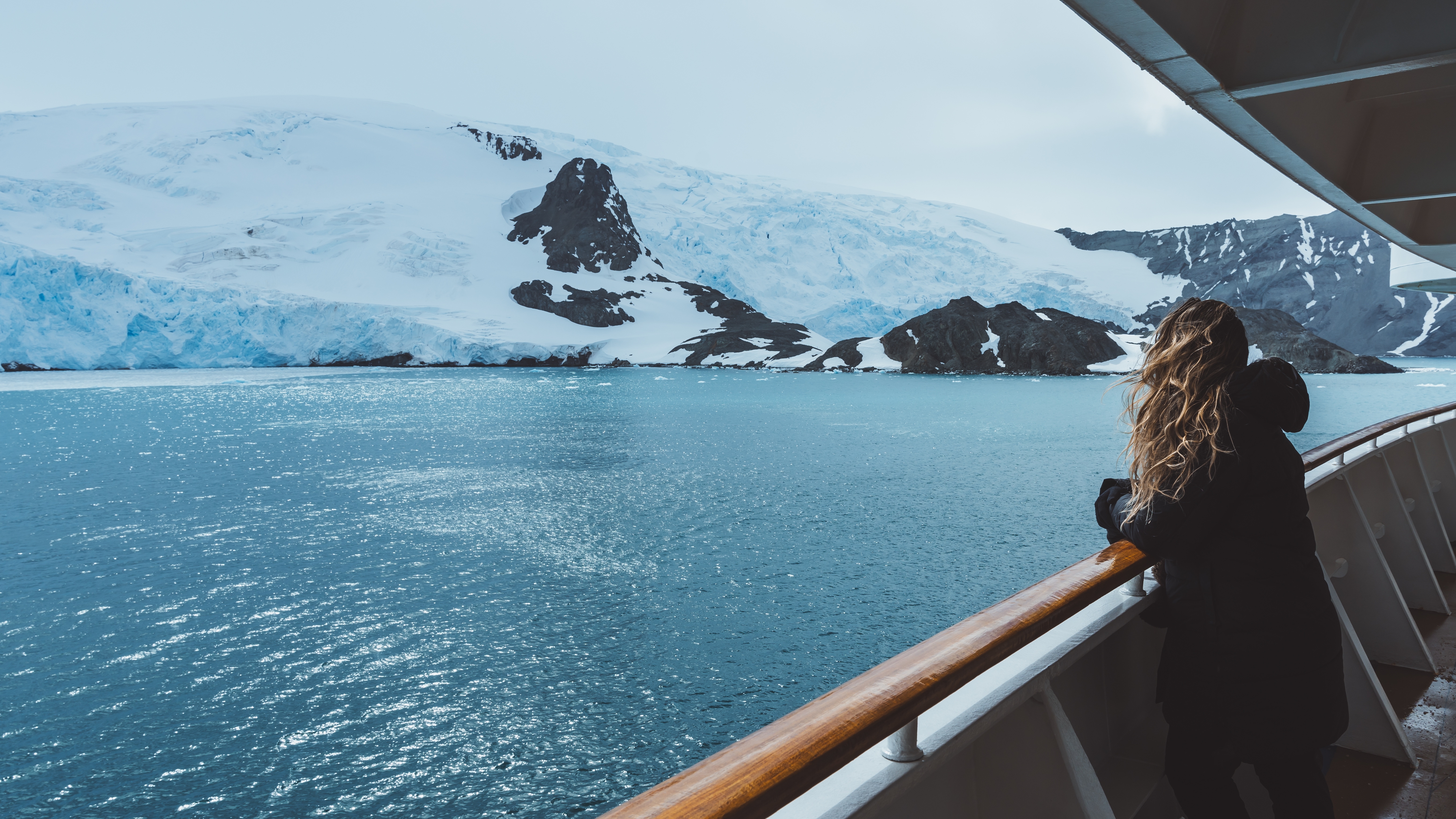
If the monotony of modern life has you daydreaming about a total reset, a standard vacation might not be enough to scratch the itch. The British Antarctic Survey has launched its recruitment drive for 2026, offering a rare chance to swap your morning commute for life on the southern ice.
While many assume these expeditions are exclusive to elite researchers, the reality is that the stations need a wide range of skills to function. This isn’t just a job change; it’s an opportunity to strip away the distractions of the modern world and test yourself in one of the planet’s most unique environments.
The Opportunity: It’s Not Just for Scientists

The British Antarctic Survey (BAS) has opened its recruitment window for the 2026 season, and contrary to popular belief, you do not need a background in academia to secure a spot. While the organization is actively seeking researchers—such as marine biologists, ecological modelers, and meteorologists—there is a significant and immediate demand for skilled technical staff and support crew. The current roster of vacancies extends to tradespeople and operational staff, including carpenters, plumbers, chefs, agricultural plant operators, scuba divers, and boat handlers.
From a financial perspective, these contracts offer a unique economic advantage. Salaries start at £30,244 (approximately $41,285), which might seem standard on paper, but the effective value is much higher. Once you arrive at the station, your cost of living drops to absolute zero. BAS covers every expense, including accommodation, food, travel, specialist clothing, tools, and training. Without the burden of rent, utilities, or grocery bills, this is one of the few employment opportunities where your entire paycheck can go directly into savings. Job postings are currently live and will continue to be added to the board on a rolling basis until March 2026.
Life on the Ice

Living in Antarctica means joining a transient workforce rather than settling into a permanent residence. The continent has no native human population; instead, it operates on a rotational basis. During the summer months from October to March, the population across the continent peaks at approximately 5,000 people. However, when the harsh, sunless winter sets in from April to October, that number plummets to roughly 1,000.
This environment demands a specific type of resilience. While the location offers access to some of the most unique geography on Earth, the daily reality involves months of isolation, extreme weather patterns, and limited contact with the outside world. Yet, for many, the professional and personal rewards outweigh the solitude. Dan McKenzie, a Station Leader at Halley VI Research Station, highlighted that these careers are accessible regardless of academic background.
“I started off as a plumber at Rothera and now I’m in the Station Leader role,” McKenzie stated. “I always think, I’m just a lad from Wigan, who never went to university and came from pretty humble beginnings, and now I’m here. That’s the beauty of BAS, anyone can give it a try and if you work hard you never know where it will take you.”
For those passionate about nature, the proximity to wildlife is unmatched. Jess Callaghan, a Zoological Field Assistant who spent 16 months on South Georgia, described the experience as an “ornithologist’s dream,” noting that a typical workday could involve working among a colony of 45,000 macaroni penguins or weighing Antarctic fur seal pups.
Current Vacancies and Hiring Standards

The current roster of open positions reflects the operational complexity of maintaining life in such a remote environment. Beyond the expected scientific roles—such as Marine Biologists and Meteorological Observers—BAS is heavily recruiting for the infrastructure and logistics teams that keep the stations running. Specific technical openings include Agricultural Plant Mechanics, Diesel Power Generation Technicians, and Electrical Maintenance Technicians. There is also a clear need for hospitality and field support, with vacancies for Experienced Summer and Winter Chefs, Field Guides, and Boating Officers.
Deadlines for these roles are staggered throughout the season, with closing dates ranging from early February to late April 2026. Potential applicants should note that BAS actively prioritizes inclusive hiring. As a Disability Confident employer and a holder of the silver Athena Swan award, the organization has protocols in place to assist applicants who may face barriers during the recruitment process. This includes offering reasonable adjustments, such as additional time or modifications to interview locations and timings, to ensure a fair assessment for all candidates.
Is Antarctica Really For You?

Before you rush to update your resume, you need to have an honest check-in with yourself. Working in Antarctica isn’t just about whether you have the right technical skills; it’s about whether you can handle the lifestyle. Phill Coolman, a carpenter at the Halley VI station, says the job comes down to “adaptability and teamwork.” You will be living in tight quarters with the same small group of people for months, often during a winter where the sun doesn’t rise. If you struggle with cabin fever or need a lot of personal space to function, this might be a tough adjustment.
On the logistical side, you need to watch the calendar closely. The deadlines vary wildly depending on the job. For example, the Marine Ecological Modeller position closes on February 8, but the Electrical Maintenance Technician role stays open until late April. Don’t assume all the dates are the same. If you are serious about going, sign up for the email alerts on the British Antarctic Survey website so you don’t miss your window.
A Radical Cure for the Daily Grind

If you are feeling stuck in your current routine, this is a legitimate chance to shake things up. Working in Antarctica is not just an adventure; it is a strategic career move that allows you to bank your entire salary while living in one of the most exclusive locations on the planet. The barrier to entry is lower than most people assume—you don’t need a PhD to contribute to polar research, just a trade skill and the right attitude.
The application window is open now, but it won’t stay open forever. If you are ready to trade your morning commute for a view of the ice shelf, visit bas.ac.uk/vacancies to view the full list of roles. The British Antarctic Survey is actively looking for people to fill these spots for the 2026 season. If you have the skills and the drive, there is a spot on the boat for you.
