
In a world where cancer research often unfolds over years or even decades, the notion that a tumor could all but vanish in a matter of days seems almost unthinkable. Yet that’s exactly what researchers observed in a groundbreaking new trial targeting one of the deadliest forms of cancer: glioblastoma. This fast-moving brain tumor has long resisted conventional treatments, but scientists at Mass General Cancer Center may have found a game-changer.

Their new approach involves a re-engineered form of CAR-T therapy, a personalized immunotherapy that harnesses a patient’s own immune system. Early findings from this small but striking clinical trial suggest a future where even the most intractable tumors might respond quickly to treatment, bringing hope to patients and researchers alike.
What Is Glioblastoma and Why Is It So Hard to Treat?
Glioblastoma is not just any brain cancer—it’s the most aggressive and lethal form. Originating from astrocytes, the star-shaped cells that support nerve cells, glioblastomas grow rapidly and infiltrate healthy brain tissue. This makes them notoriously difficult to remove completely through surgery. Even when combined with radiation and chemotherapy, recurrence is common and often swift.
What makes glioblastoma especially daunting is its heterogeneity. Tumors are composed of varied cell types, which means that a single-target therapy often fails to eradicate the full spectrum of cancerous cells. And because it affects the brain, treatment must also navigate the blood-brain barrier, a natural defense mechanism that restricts the entry of most drugs.
Current therapies aim to slow progression and relieve symptoms, but they rarely offer long-term remission. Standard options include surgical resection, followed by radiation and chemotherapy with temozolomide. However, despite these aggressive efforts, median survival typically hovers around 15 months, and only a small percentage of patients survive beyond five years.
The grim prognosis underscores the need for innovation. The brain’s complex environment and glioblastoma’s evasive biology demand treatments that are both targeted and versatile. This is where the promise of engineered immune cells begins to shine.

The Promise of CAR-T, Reinvented
CAR-T therapy, or Chimeric Antigen Receptor T-cell therapy, is already well-established in treating certain blood cancers like leukemia and lymphoma. The technique involves extracting a patient’s T cells, genetically modifying them to recognize cancer antigens, and infusing them back into the body. Once reintegrated, these cells can seek out and destroy cancer cells with remarkable precision.
But until now, CAR-T hasn’t translated well to solid tumors. Tumors like glioblastoma are dense, physically protected, and genetically diverse. Traditional CAR-T therapies may target one specific marker, but if only some tumor cells display that marker, the rest survive and multiply.
To address these challenges, researchers at Mass General Cancer Center developed CARv3-TEAM-E T cells. This next-gen treatment combines CAR-T cells with T-cell engaging antibody molecules (TEAMs), allowing for a broader and more adaptive attack. These cells are programmed to recognize EGFRvIII—a tumor-specific antigen—and also the wild-type EGFR protein found in glioblastoma.
This dual-target strategy enables the immune cells to detect and attack a wider range of tumor cells, effectively reducing the cancer’s ability to hide or mutate its way out of treatment. The “TEAM” component acts like a homing device, amplifying the T cells’ cancer-fighting capabilities across different tumor landscapes.
What Happened in the Trial?
The clinical trial, conducted between March and July 2023, involved three patients with recurrent glioblastoma: a 57-year-old woman and two older men, aged 72 and 74. Each received a single infusion of CARv3-TEAM-E T cells. The patients had already undergone multiple rounds of traditional therapy, making their inclusion all the more compelling.
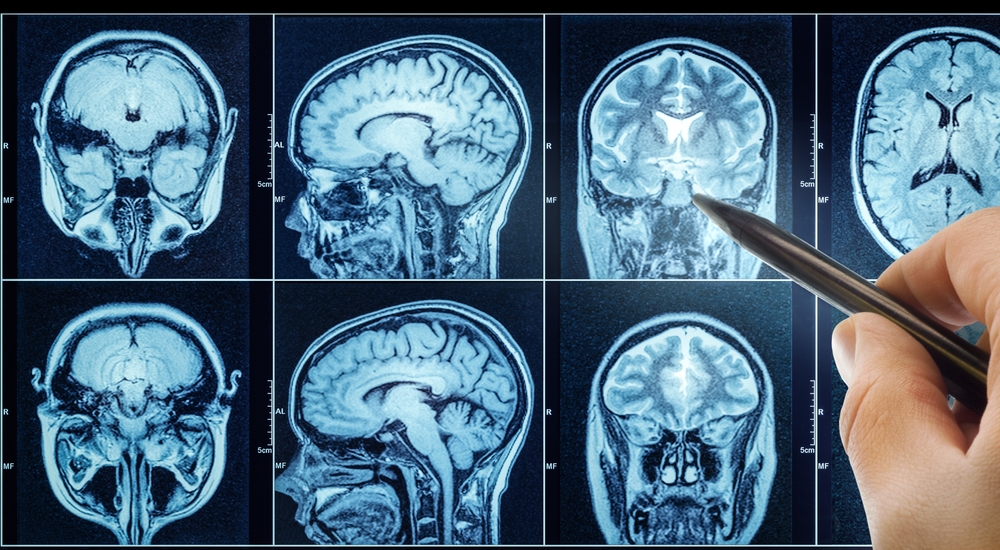
MRI scans revealed dramatic effects in a remarkably short time. The female patient experienced near-complete tumor regression just five days after her infusion. Her MRI showed that the mass had all but disappeared, a result that left researchers stunned. For a cancer known to resist even the strongest treatments, this level of response was unprecedented.
The second patient showed an 18.5% tumor reduction just two days after infusion. By day 69, this had increased to a 60.7% reduction, and the response was sustained for more than six months. Meanwhile, the third patient’s lab results showed declining levels of EGFRvIII and EGFR copy numbers in his blood and cerebrospinal fluid, eventually becoming undetectable.
All three participants experienced some side effects—fevers and temporary cognitive changes—but these were expected and considered manageable. Importantly, none of the reactions exceeded grade three toxicity, which is the threshold for serious or life-threatening effects in cancer treatment trials.

Why This Matters: Targeting the Untargetable
One of the main obstacles in treating glioblastoma is its cellular diversity. Unlike blood cancers, which often have uniform markers, glioblastoma is like a patchwork quilt of different cancer cell types. A therapy that targets only one marker may leave many malignant cells untouched.
CARv3-TEAM-E addresses this by targeting both a mutation-specific antigen (EGFRvIII) and the more commonly expressed wild-type EGFR. This approach reduces the chance of cancer cells slipping through the cracks. In essence, the engineered T cells have multiple “eyes” and “hands” to identify and eliminate more threats.
Furthermore, glioblastoma often resides in parts of the brain that are hard to access or too risky to operate on. Immunotherapy offers a non-invasive alternative. By introducing supercharged immune cells, doctors can bypass the scalpel and still reach tumor cells deep within the brain.
These findings also pave the way for adapting similar strategies to other solid tumors, like pancreatic or lung cancers, which share similar challenges. If researchers can fine-tune the targeting mechanisms, the treatment could become a versatile weapon against multiple cancer types.

The Risks and the Road Ahead
Despite the excitement, the researchers are the first to caution against over-celebration. With only three patients involved, the trial is far from conclusive. What works for a small, controlled group may not yield the same results across larger, more diverse populations.
Still, early-phase trials are designed to test safety first and foremost. The fact that the therapy was well-tolerated and produced measurable tumor shrinkage is a promising signal. The next step will involve expanding the trial to include more patients and longer monitoring periods.
Another consideration is cost and accessibility. CAR-T therapies are notoriously expensive and require specialized facilities. If this treatment proves effective on a broader scale, making it affordable and widely available will become the next major challenge.
Researchers are also investigating how to fine-tune the TEAM component to further enhance specificity and minimize side effects. Future iterations may include custom adaptations for other mutations, potentially opening the door to highly personalized cancer care.
What This Means for the Future of Cancer Treatment
This trial represents a hopeful turning point in the fight against glioblastoma and possibly other hard-to-treat cancers. For years, the holy grail of oncology has been a therapy that is both highly effective and minimally invasive. CARv3-TEAM-E T cells could inch us closer to that reality.
If subsequent trials confirm these results, it could usher in a new era of immunotherapy where solid tumors are no longer seen as unreachable targets. The fusion of engineering and immunology continues to show promise, and this trial is one more step in transforming science into healing.
This isn’t just about extending life—it’s about improving quality of life. Many glioblastoma patients face limited options and grueling treatment regimens. A single infusion that shows meaningful results in days is a beacon of hope for patients and families alike.
The fusion of precision medicine and personalized immunotherapy is redefining what we can expect from cancer treatment. It serves as a reminder that even the most challenging diagnoses may one day become manageable, and perhaps even curable.
How Can You Support Your Health While Science Advances?
While these scientific breakthroughs are exciting, they also highlight the value of doing what you can in the present moment. Supporting your immune system and brain health may not replace medical treatments, but it helps create a stronger foundation for healing and resilience.
Start with your plate. An anti-inflammatory diet rich in vegetables, fruits, nuts, and whole grains supports cellular function and may help prevent the kinds of chronic inflammation linked to cancer. Foods like turmeric, green tea, and garlic have long been celebrated for their immune-boosting properties.
Daily movement matters too. Regular physical activity helps regulate hormones, improves circulation, and boosts the immune response. Even walking 30 minutes a day has been linked to better health outcomes and lower cancer risk.
Supplements like omega-3 fatty acids, vitamin D, and adaptogenic herbs such as ashwagandha may also offer immune and brain support. While no supplement is a magic bullet, integrating them as part of a balanced wellness plan can complement your body’s natural defenses.
