
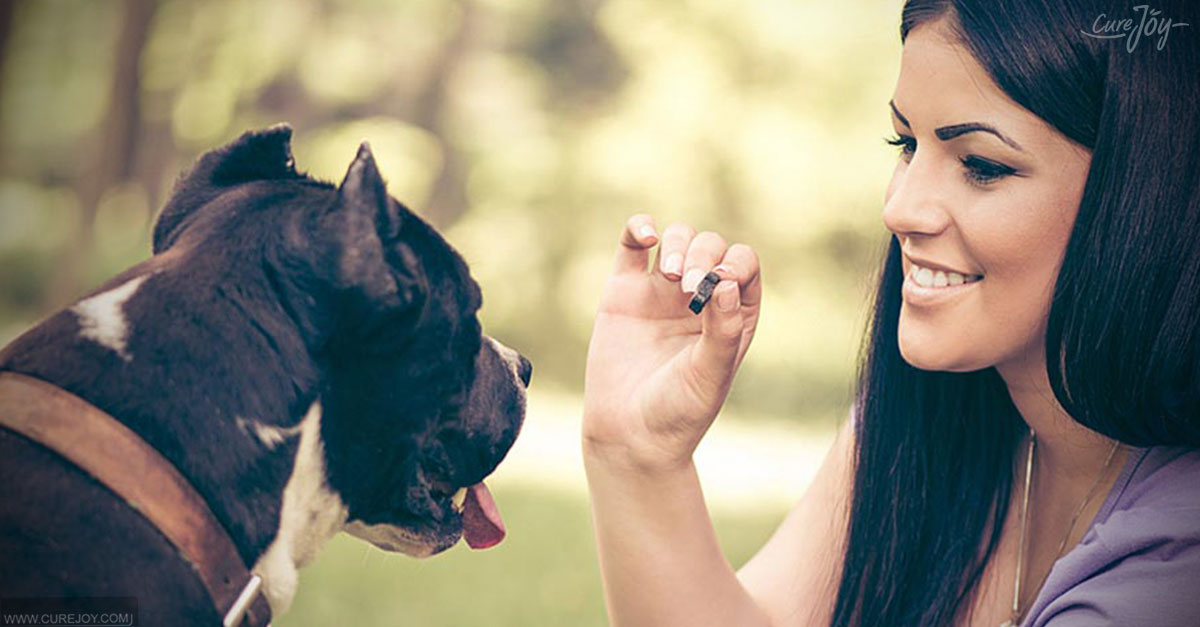
Pets love getting treats and as a pet owner, you love giving them treats even more. Seeing them gobble up a treat as soon as you place it near their mouth, or looking at them drool at the sight of one, gives anyone who loves pets immense pleasure. You may give your pet a treat for behaving well, for following instructions properly, or simply because you love to. Treating your pets is a great practice and there is no harm in doing so as long as you’re giving them the right treats and at the right time. There are a few things you should consider before you express your love to your pet in the form of tasty treats.
1. Use Treats Wisely When Training

When it comes to giving treats to your pet while training, it is not the number of treats that matters but the type of treat you choose. Make sure that it’s your pet’s favorite treat for which it will blindly listen to what you say. As soon as it learns a trick or a good behavior reward it. If you delay giving the treat, the association between the good behavior and treat will be lost. Don’t give too much at one training session, especially before its mealtime. Breaking treats into smaller pieces is a good option when treating your pet.
2. Don’t Overfeed Your Pet

You need to keep a check on how many treats you give your pet. No matter how much you love your pet, too many treats lead to obesity. If there are many family members looking after your pet at different times during the day, the number of treats fed can easily get out of hand. You can make a chart on which each person can make a note of how many treats have been given on a particular day to avoid confusion and overlapping. Consult a vet and set a specific number of treats each person can give each day.
3. Avoid Rich Foods

People food is a no-no for your pet. Your pet’s gastrointestinal tract may not be familiar with spicy, oily foods, which may cause an inflammation of their pancreas. If you have a dog, do not feed it onions, garlic, or grapes as these foods can harm them. If you want to feed it some people food, make sure that it is bland. If your pet has allergies, consult your vet and make a note of foods to avoid.
4. Read The Labels Carefully

Not all treats are safe for your pet. You need to read labels carefully before buying them. Treats high in sodium and fat harm your cat or dog. Make sure the treats are FDA approved. Do your research well about buying a particular treat especially if it is manufactured in a foreign country as some may have toxicity issues and can cause kidney problems in your pet.
5. Know Your Pet’s Health Condition Before Giving It Treats

Make sure to take your pet to the vet for regular checkups so that you have a good idea about its health condition. If its health condition requires it to follow a special diet, get a green signal from your vet before giving it any treat, especially if it is allergic to certain foods. Some treats claim to clean your pet’s teeth and prevent gingivitis, but these too should be monitored. All treats will not always be what they claim to be and may end up harming your pet instead.
6. Make Sure The Treats Are Nutritious

Look for the words “complete and balanced” on the packaging of the treats. Such treats have vitamins and nutrients which are good for your pet’s health. Don’t go overboard with it tough. Treats should make up only 10% of their total calorie intake. Too many treats may mess with your pet’s nutrient intake.
Keep in mind that treats can never replace good, nutritious food. Treats should not be given too close to mealtime as it might cause your pet to not eat its food well.
