
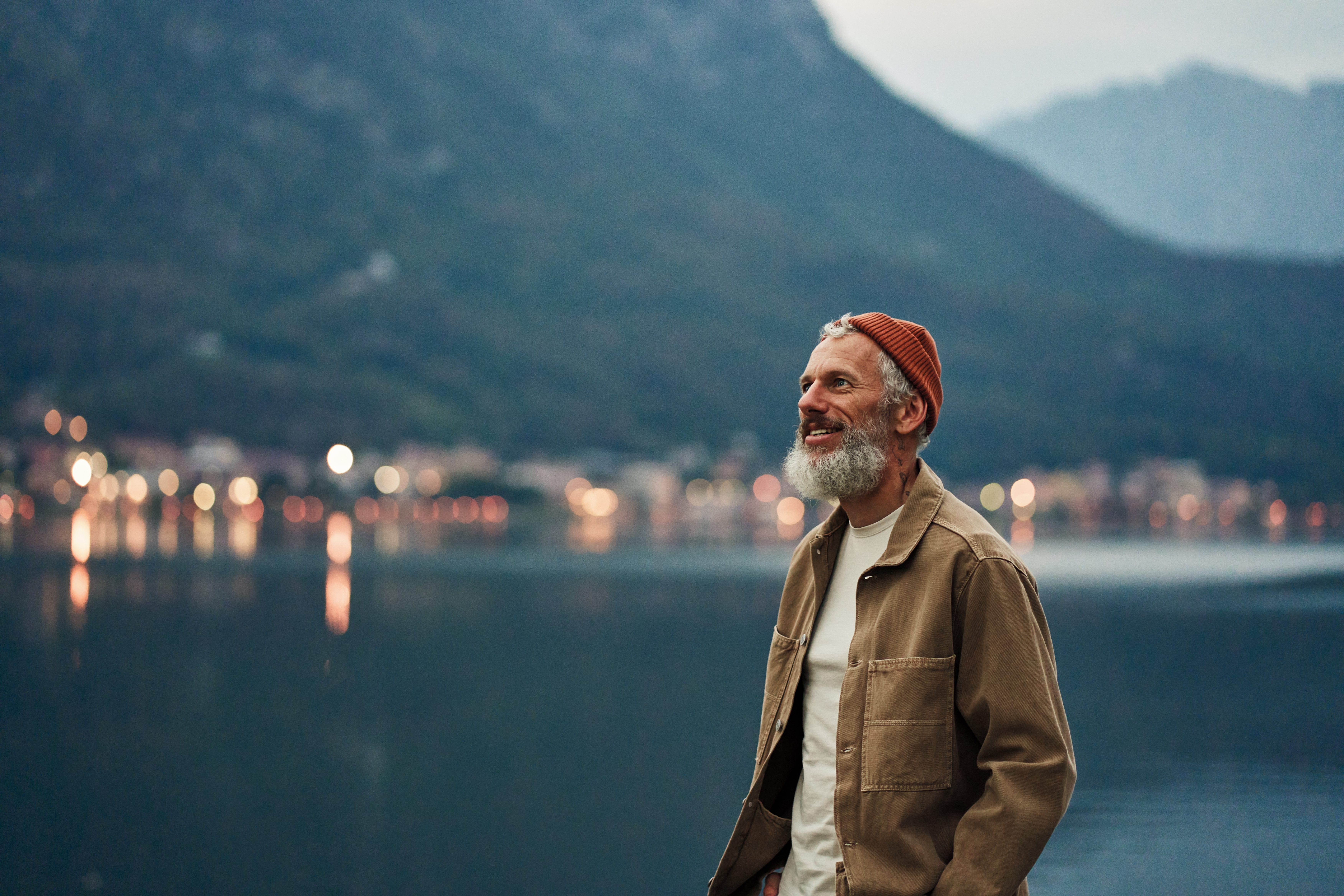
A growing number of older men are choosing to live alone. This decision is often misunderstood as a retreat into loneliness, but the reality is far more complex. It’s a deliberate choice rooted in a desire for peace, autonomy, and a life that aligns with decades of personal experience.
It is essential to distinguish this chosen solitude from unwanted loneliness. The Centers for Disease Control and Prevention (CDC) reports that social isolation and loneliness in older adults are associated with serious health risks, including a significantly higher chance of developing dementia and heart disease. In contrast, the intentional solitude many older men seek is a positive state. It’s an active decision to design a life that promotes well-being, conserves energy, and prioritizes personal values.
Here are 17 quiet truths that shed light on this personal and significant life choice.
1. The Deep Satisfaction of Self-Reliance

After a lifetime of managing responsibilities, many older men find great satisfaction in their ability to be self-sufficient. This isn’t about avoiding connection but about appreciating a hard-won sense of independence. Handling one’s own affairs, from daily chores to financial management, reinforces a feeling of capability and control. This comfort in one’s own company is often the result of high self-awareness and emotional maturity, making solitude a state of fulfillment rather than emptiness.
2. The Freedom of Truly Knowing Yourself

Later life offers a unique opportunity for reflection. Without the demands of career and raising a family, there is more space for introspection. Solitude provides the ideal environment to process a lifetime of experiences and understand oneself on a deeper level. This increased self-awareness often leads to a quiet confidence that no longer needs external approval. A man who knows and accepts himself is less likely to seek a partner to feel complete, finding contentment from within.
3. Finding Clarity and Peace in the Quiet

In a world filled with constant noise, silence is a valuable resource. For many older men, solitude is an opportunity to use silence as a tool for clear thinking and emotional processing. It allows the mind to settle, providing a calm space to work through thoughts without interruption. This comfort with silence is not a sign of isolation but an indicator of inner stability, where one can find clarity and peace without needing external distractions.
4. Treating Tranquility as the Ultimate Treasure

As men get older, their definition of wealth often shifts. Peace of mind becomes the most valuable asset, and decisions are weighed against their potential cost to this tranquility. From a practical standpoint, living alone offers financial simplicity, which is important for anyone on a fixed income. More profoundly, it represents a move away from accumulating things and toward preserving personal well-being. A new relationship can introduce emotional and financial complexities that are viewed as a poor investment when peace is the primary goal.
5. The Simple Joy of a Predictable Routine

After decades of schedules set by employers and family needs, the ability to create and follow one’s own routine is a cherished freedom. These personal rhythms—how one takes their coffee, when they exercise, what they read—are anchors of stability. Introducing a new partner requires merging habits and constant negotiation, which can disrupt this carefully constructed and comforting daily structure. Choosing to live alone protects this personal ecosystem, preserving a system of comfort that has been built over many years.
6. Putting Health and Wellness First, No Matter What

Health becomes a top priority with age. Living alone gives a man the autonomy to build and maintain routines focused on his physical and mental well-being without compromise. He has complete control over his diet, exercise schedule, and sleep habits. This allows him to fully commit to self-care, removing the potential friction that comes from coordinating with a partner whose habits or health priorities may differ.
7. The Freedom to Create Your Perfect Home

A home is an extension of one’s identity. The complete control over a living environment is a significant reason for choosing to live alone. It allows a man to create a space that perfectly suits his needs, whether that means a minimalist setup for easy maintenance or dedicating rooms to specific hobbies. This sovereignty over personal space contributes to a constant state of comfort and ensures the home is a true sanctuary, tailored exactly to one’s own preferences.
8. Making Your Own Choices, No Compromise Needed

Shared living involves a constant process of negotiation, from small daily choices to major life decisions. Solitude eliminates this entire layer of mental effort. The ability to make a decision and act on it without consultation or compromise is liberating. It reduces cognitive load and allows for a more fluid and efficient way of living, where life can be instantly responsive to one’s own needs and desires.
9. Stepping Back from the Hard Work of Partnerships
Relationships require continuous emotional work, including managing expectations, navigating disagreements, and providing support. After decades of this “relational labor,” many older men are simply tired. The choice to live alone is often a conscious decision to retire from the demanding work of maintaining a close partnership. It is not a rejection of love, but a recognition that their reserves of this specific type of energy are depleted and a desire for a well-earned rest.
10. Avoiding the Risk of Future Heartbreak

Past heartbreaks, whether from divorce or loss, can create a strong incentive for emotional self-protection. For many men, living alone is a strategy to avoid the vulnerability required to build a new intimate relationship. Solitude provides a safe harbor to process past experiences without the complications of a new romance. The emotional security of an established, quiet life is often valued more highly than the uncertain rewards of a new partnership.
11. Choosing a Few Great Friends Over a Big Crowd

Choosing solitude is rarely about social withdrawal. Instead, it reflects a strategic shift in social priorities, favoring quality over quantity. An older man’s social needs often change, with a preference for a few deep, meaningful connections over a large social circle. Living alone allows him to manage his social energy, choosing when and how to engage. This curated approach ensures that social time is genuinely enriching, making the periods of solitude in between more restorative.
12. Ditching Superficial Get-Togethers

With age comes a lower tolerance for social interactions that feel obligatory or superficial. Many older men no longer feel the need to attend every party or engage in small talk that feels draining. Living alone removes the pressure that can come from a partner’s social obligations, allowing a man to preserve his energy for the people and activities he truly values. This results in a more authentic and less exhausting social life.
13. Having Uninterrupted Time for Hobbies and Passions

Later life often brings more free time to dedicate to hobbies and interests. Solitude provides the ultimate freedom to become completely immersed in these passions without compromise or interruption. Whether it’s woodworking, learning an instrument, or fishing, these activities provide a strong sense of purpose and fulfillment. Living alone removes the need to negotiate how free time is spent, allowing for the deep, focused concentration that is profoundly satisfying.
14. Being Ready for Adventure at a Moment’s Notice

For many, retirement is a time for exploration. Living alone offers the flexibility to travel and embrace new experiences without the logistical challenges of coordinating with a partner. A man can take a spontaneous trip or spend a month in a new city based entirely on his own interests and timeline. This agility allows for a more personal and authentic experience of adventure, making it easier to navigate life’s changes with a sense of possibility.
15. Finding Happiness in the Little Things

Age often brings a greater appreciation for life’s simple pleasures. Solitude creates the perfect environment to savor these moments without distraction. Enjoying a quiet morning, tending to a garden, or reading for hours on end are the small building blocks of a contented life. These are moments of being, free from the need to entertain or accommodate another person, where a deep sense of peace can be found.
16. Feeling Out of Sync with Modern Relationships
Dating and relationship dynamics have changed significantly over the years. Some older men feel disillusioned with modern expectations and find it difficult to navigate. Rather than enter a relationship that feels misaligned with their values or requires them to be someone they are not, they find it more peaceful to remain single. This is a pragmatic choice to opt out of a social system they are no longer interested in.
17. The Ultimate Goal: A Truly Authentic Life

Ultimately, all these reasons point to a single, powerful motivation: the desire to live an authentic life on one’s own terms. It is the culmination of a lifetime of learning what one truly needs to be happy. This choice is not about giving up; it is about taking control. It’s a confident declaration that a life filled with freedom, self-awareness, and quiet satisfaction is a complete and fulfilling one, defined by the strength of one’s relationship with oneself.
