
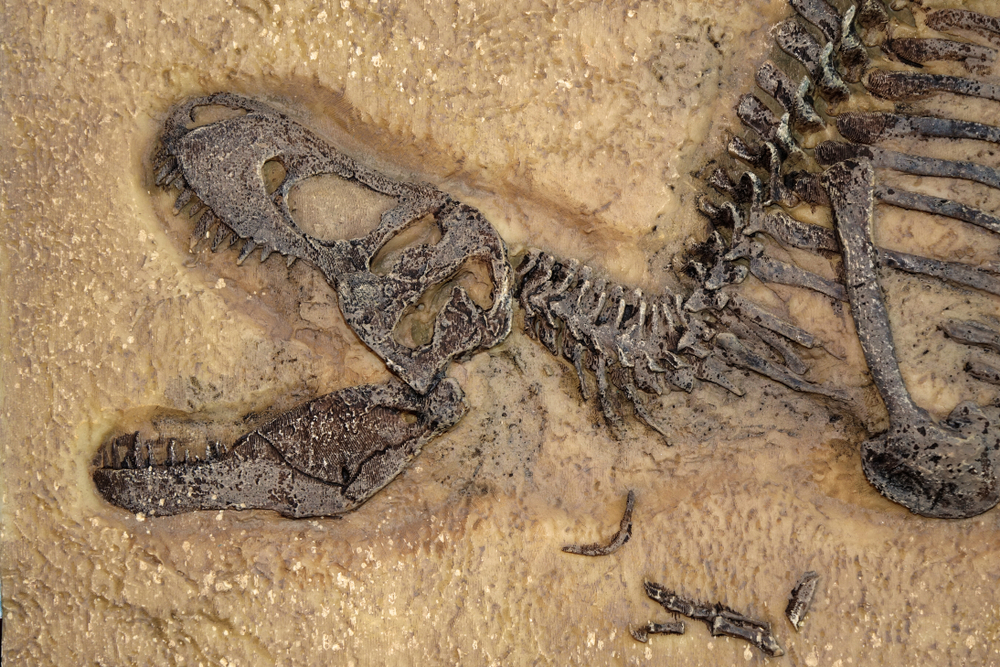
The recent discovery of the most complete dinosaur fossil found in the United Kingdom in over a hundred years has captured global attention. Unearthed on the Isle of Wight this remarkably preserved specimen offers a rare look into life on Earth nearly one hundred twenty five million years ago. While the scientific value of the fossil is extraordinary the story also invites reflection on resilience survival and what ancient life can quietly teach us about health and wellness today.
This dinosaur lived during a time when the planet faced dramatic environmental changes shifting climates and constant survival pressures. Despite these challenges its remains endured through millions of years preserved by natural processes. That endurance resonates with modern health conversations where longevity balance and adaptation are central themes. Looking at ancient life can encourage a deeper appreciation for how the body responds to stress nourishment and environment over time.
The Isle of Wight has long been known as one of Europes richest dinosaur hunting grounds. Yet this find stands apart because of its completeness and clarity. Scientists were able to identify most of the skeleton including parts rarely found intact. For health focused readers this discovery is not only about prehistoric animals but also about how nature records stories of survival that still matter today.
By exploring this fossil through a wellness centered lens we can connect ancient biology with modern human health. From bone strength and movement to adaptation and recovery this discovery becomes more than a museum exhibit. It becomes a reminder that health is shaped slowly through daily conditions habits and environments much like fossils are shaped over time.

Why This Dinosaur Discovery Is Scientifically Rare
Most dinosaur fossils are discovered in fragments. A tooth here a bone there or partial skeletons scattered by erosion and time. This newly uncovered dinosaur is different. Researchers recovered a majority of its skeletal structure allowing scientists to better understand how it moved ate and survived. That level of detail is rare in British dinosaur finds.
The fossil is believed to belong to a plant eating dinosaur that lived during the early Cretaceous period. Its bones were preserved in sediment that protected them from decay and damage. This mirrors how the human body relies on protective systems like connective tissue minerals and immune defenses to maintain integrity over time.
From a health perspective the completeness of this skeleton allows scientists to study bone density, joint structure and muscular attachment. These same elements determine human mobility strength and aging. Strong bones and well aligned joints are essential for lifelong movement and independence which is why bone health remains a central pillar of wellness.
The discovery also highlights the role of environment in preservation and health. Just as the right conditions allowed this dinosaur to remain intact for millions of years supportive environments help human bodies heal recover and remain resilient. Nutrition sleep movement and reduced stress all contribute to how well the body withstands time.
Ancient Bones and Modern Bone Health Lessons
One of the most striking aspects of the fossil is the condition of its bones. Dense structured and well formed they reveal how this animal supported its weight and activity. In modern humans, bone density plays a critical role in preventing fractures, maintaining posture and supporting daily movement.
Bone health begins early in life and continues to evolve with age. Adequate intake of calcium, vitamin D, magnesium and protein supports bone structure. Weight bearing movement such as walking resistance training and balance exercises also stimulate bone maintenance much like constant movement did for ancient animals.
The fossil reminds us that bones are living tissue. They respond to stress nourishment and hormonal signals. When these systems are neglected bones weaken over time increasing the risk of injury. Observing ancient skeletal strength reinforces the importance of daily habits that protect skeletal health.
Modern lifestyles often involve long periods of sitting limited sunlight exposure and processed foods. These factors can quietly erode bone health. Looking at prehistoric life emphasizes how movement exposure to nature and nutrient rich diets were once unavoidable and deeply supportive of physical structure.

Adaptation Survival and Stress Management
Dinosaurs lived in environments filled with uncertainty including shifting climates limited food sources and constant threats from predators. Survival required ongoing adaptation at every level of their biology. While human stress looks different today our nervous systems still react in similar ways to pressure and danger. Chronic stress can quietly weaken immunity disrupt digestion and accelerate aging over time.
This discovery invites reflection on how the body responds to challenge. Short bursts of stress can improve focus and performance but long term unmanaged stress places strain on every system. Ancient animals survived through a balance between effort and recovery. That same rhythm remains essential for modern wellness.
Recovery is where resilience is built. Rest, hydration, nourishment and calm allow tissues to repair and hormones to rebalance. Without proper recovery even the strongest bodies begin to break down. In the same way fossils form through protection and stillness the human body strengthens through rest as much as through effort.
Practices such as breath work gentle movement time in nature and regular sleep routines help regulate the stress response. These habits teach the nervous system when to activate and when to relax. The fossil becomes a symbol of how balance rather than constant strain supports long term survival and health.
Movement Patterns Then and Now
The skeletal structure of this dinosaur reveals how it walked grazed and interacted with its surroundings. Its posture limb alignment and joint shape suggest movement built for efficiency and endurance. These patterns allowed it to survive in a demanding environment. Movement was not optional but part of daily life.
Modern humans move far less than our biology expects. Many people experience stiffness, joint pain and muscle weakness from long hours of sitting and repetitive motions. Studying natural movement reminds us that the body thrives on variety and alignment. It is designed to bend lift rotate and walk regularly.
Walking squatting reaching and carrying are fundamental movements that reflect how ancient animals lived. Reintroducing these motions into daily life supports joint health, circulation and coordination. Movement does not need to be intense to be effective. Consistency matters more than perfection.
The fossil also shows the cost of immobility. Just as bones weaken without use muscles and connective tissue need regular engagement to stay strong. Even small daily movements protect mobility and independence. The body rewards those who keep it active in simple natural ways.

Nature Connection and Mental Well Being
The Isle of Wight landscape where this fossil was found has been shaped by wind water and time. Spending time in natural environments supports emotional balance and nervous system regulation. Ancient life was inseparable from nature and modern life often creates distance from those rhythms. That separation can affect mood focus and sleep.
Research shows that nature exposure reduces anxiety improves attention and enhances mental clarity. Even brief time outdoors can reset the mind. Walking in green spaces observing trees or listening to water calms the stress response. These effects are gentle but powerful.
Modern routines often pull people indoors and onto screens. Reconnecting with natural settings brings perspective and grounding. It reminds the body that it is part of something larger and older than daily worries. That sense of connection supports resilience.
This fossil discovery also inspires awe which has health benefits of its own. Wonder can reduce stress, promote emotional openness and improve well being. Looking at something ancient and enduring shifts attention away from urgency and toward meaning. That shift is deeply healing.
What This Discovery Ultimately Reminds Us About Health
The most complete dinosaur fossil found in the UK in a century is a scientific milestone. It is also a quiet wellness lesson. Health is built slowly through consistent conditions rather than quick fixes. Bones strengthen movement patterns develop and resilience forms over time.
Ancient life did not rely on convenience or constant stimulation. It relied on rhythm nourishment movement and rest. While modern life cannot return to that simplicity the principles remain relevant and accessible. The body still responds best to balance and patience.
By supporting bone health managing stress moving naturally and reconnecting with nature you support systems shaped over millions of years. These systems are intelligent and adaptive when treated with respect. They thrive under care rather than pressure.
This discovery reminds us that the body carries ancient wisdom. When we listen to it and work with it thoughtfully health becomes less about control and more about cooperation with biology. That mindset supports long lasting wellness and inner stability.
