
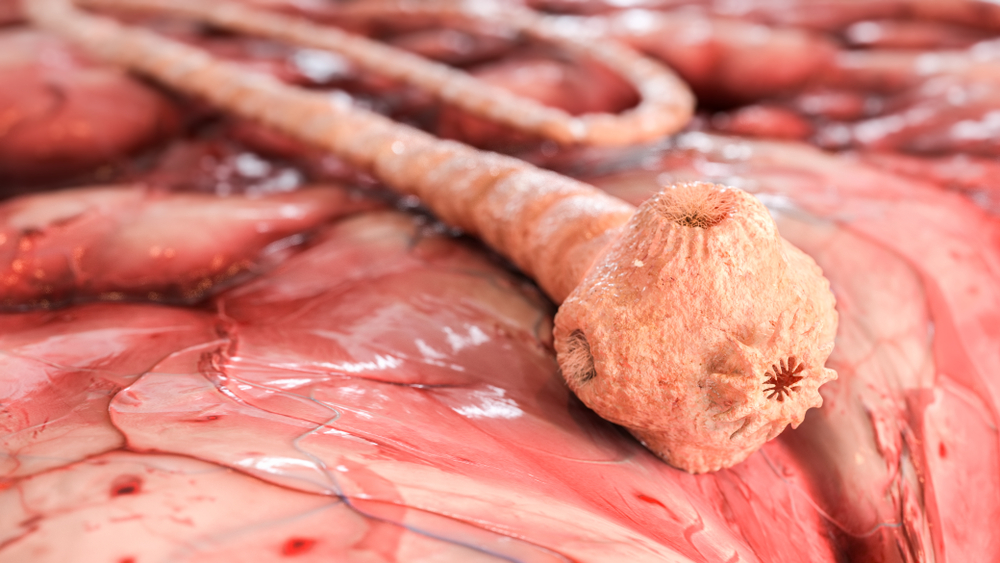
Food choices often feel routine, shaped by culture, habit, and convenience. Most people expect that if something is truly dangerous, the effects will be immediate and obvious. This belief makes foodborne risks easy to dismiss, especially when symptoms take years to surface. A recent case shared by an emergency room physician challenges that assumption in a deeply unsettling way. Medical scans revealed a patient whose muscles were filled with countless parasitic cysts after years of eating undercooked pork, a condition that progressed quietly until it could no longer be ignored.
The images were described by the physician as “one of the craziest CT scans I’ve ever seen,” a statement that quickly drew widespread attention. The scans showed what doctors call “rice grain calcifications,” a classic sign of cysticercosis, a parasitic disease caused by the pork tapeworm. What makes this case especially alarming is not just the severity of the infection, but how long it went undetected. For nearly a decade, the patient’s dietary habits allowed parasites to spread through her body, highlighting how easily long-term damage can develop without dramatic early warning signs.

What Doctors Identified in the Scans
The CT images shared online showed muscles peppered with small white flecks, a pattern that immediately signaled a parasitic infection to trained eyes. According to the physician who treated the patient, these calcifications were the remnants of larvae that had lodged in muscle tissue and later hardened over time. He explained that this visual pattern is commonly referred to as “rice grain calcifications,” a term used because of how closely the shapes resemble grains of rice scattered through the body.
The diagnosis was cysticercosis, an infection caused by the pork tapeworm Taenia solium. The doctor later clarified that “Humans become infected with T. solium by ingesting cysts that can be found in undercooked pork.” Once ingested, the larvae do not simply remain in the digestive tract. Instead, as he explained, the larvae “penetrate the intestinal wall and invade into the bloodstream and from there can spread to literally anywhere in the entire body.” This ability to migrate makes the condition particularly dangerous and difficult to predict.
What shocked many viewers was the extent of the infection. The scans did not show a few isolated cysts but widespread involvement of the muscles, suggesting repeated exposure over many years. This kind of presentation is uncommon in regions with strong food safety standards, which is why physicians emphasized the educational value of sharing the images publicly.
Understanding Cysticercosis Beyond the Headlines
Cysticercosis is often misunderstood, even among people familiar with tapeworm infections. Unlike intestinal tapeworms, which live in the gut, cysticercosis occurs when tapeworm eggs enter the body and hatch internally. These eggs can be ingested through contaminated food, water, or poor hand hygiene, not only through eating pork itself. Once inside, the larvae migrate and form cysts in tissues such as muscles, eyes, skin, and the nervous system.
One of the most serious forms of the disease occurs when cysts reach the brain or spinal cord. This condition, known as neurocysticercosis, is a major cause of seizures worldwide. Infected individuals may experience chronic headaches, seizures, vision problems, or cognitive changes, sometimes years after the initial exposure. Because symptoms can appear slowly, many people do not associate them with a parasitic infection until imaging reveals the cause.
The physician who shared the case emphasized that cysticercosis is often spread by “contact with tapeworm-infected human feces, contaminated food, water and dirty hands.” This detail is critical because it shows that food safety alone is not enough. Hygiene, sanitation, and proper handwashing all play a role in preventing exposure, especially in environments where parasites are more common.
Symptoms That Can Appear Years Later
One of the most troubling aspects of cysticercosis is how long it can remain hidden. Some people develop small lumps under the skin that are painless and easy to ignore. Others may have muscle aches or fatigue that never seem severe enough to investigate. When the brain is involved, symptoms such as headaches or seizures may be the first clear sign that something is seriously wrong.
Medical experts warn that neurological symptoms should never be dismissed, particularly when they appear suddenly in adulthood. Seizures, unexplained migraines, or changes in vision can all be linked to neurocysticercosis. In the reference case, the widespread muscle involvement suggested long-term infection, raising concerns about whether other organs might also be affected.
The doctor noted that after ingestion, “after 5 to 12 weeks, the ingested cysts can even evolve into mature adult tapeworms.” This progression explains why early detection matters. Treating the infection before cysts spread widely can reduce complications and improve long-term outcomes.
How Common and Serious Is This Condition?
Although cysticercosis may sound rare, it affects millions of people worldwide each year. The physician who shared the scans stated that “The prognosis for cysticercosis is generally good but unfortunately some cases are fatal.” He added that it is estimated that around 50 million people are infected annually, resulting in approximately 50,000 deaths. These numbers underscore how serious the disease can be when diagnosis and treatment are delayed.
The condition is more prevalent in areas with limited sanitation, but globalization has made it a global concern. International travel, imported food products, and changing eating habits have all contributed to cases appearing in countries where the disease was once uncommon. This makes awareness especially important for people who believe such infections only happen elsewhere.
Treatment depends on the severity and location of the cysts. Options may include anti-parasitic medications, steroids to control inflammation, anti-epileptic drugs when seizures are present, and surgery in select cases. As the doctor explained, “Treatment options include anti-parasitic therapy, steroids, anti-epileptics (neurocysticercosis), and surgical removal.” Early medical care can significantly reduce the risk of lasting damage.
Why Raw and Undercooked Pork Is Especially Risky
Pork has long been associated with parasitic infections, which is why traditional cooking practices emphasize thorough preparation. Raw and undercooked pork can harbor tapeworm larvae that survive inadequate heat. While some modern food trends promote raw or lightly cooked meats, pork remains one of the highest-risk options for parasite transmission.
Even people who believe they source meat from clean or reputable suppliers are not immune. Contamination can occur during processing, handling, or preparation. Without proper cooking temperatures, parasites may survive and enter the body. This is why health authorities consistently advise against consuming raw or undercooked pork in any form.
The physician summed up the lesson from this case clearly, stating, “So the moral of the story here is do your best to keep clean, always wash your hands, and never, ever eat raw or undercooked pork.” This advice may sound basic, but cases like this show how ignoring it can have lifelong consequences.

What This Case Teaches About Prevention
The scans that circulated online were not shared to frighten people, but to educate. They show how everyday habits can shape long-term health in ways that are not immediately visible. Proper hand hygiene, safe food handling, and thorough cooking are not optional precautions but essential protections.
Preventing cysticercosis requires attention to both personal and environmental factors. Washing hands before eating or preparing food, cleaning kitchen surfaces, avoiding cross-contamination, and ensuring meat is cooked fully all reduce risk. In regions where sanitation is a concern, access to clean water and safe food sources becomes even more critical.
This case also highlights the value of seeking medical care when symptoms persist or change. Early imaging and diagnosis can prevent years of silent progression and reduce the likelihood of severe complications.

A Cautionary Story Worth Remembering
The images of parasite-filled muscles serve as a powerful reminder that the body records our choices, even when we do not feel immediate consequences. What begins as a dietary preference can, over time, evolve into a serious medical condition that affects nearly every system in the body.

Cysticercosis is preventable, yet it continues to harm millions of people worldwide. The story behind these scans reinforces why food safety guidelines exist and why they matter. Cooking pork thoroughly, maintaining hygiene, and respecting basic public health advice are simple steps that protect against outcomes no one wants to face.
Sometimes the most effective health warnings are not statistics or guidelines, but real cases that show what can happen when caution is ignored. This is one of those cases.
