
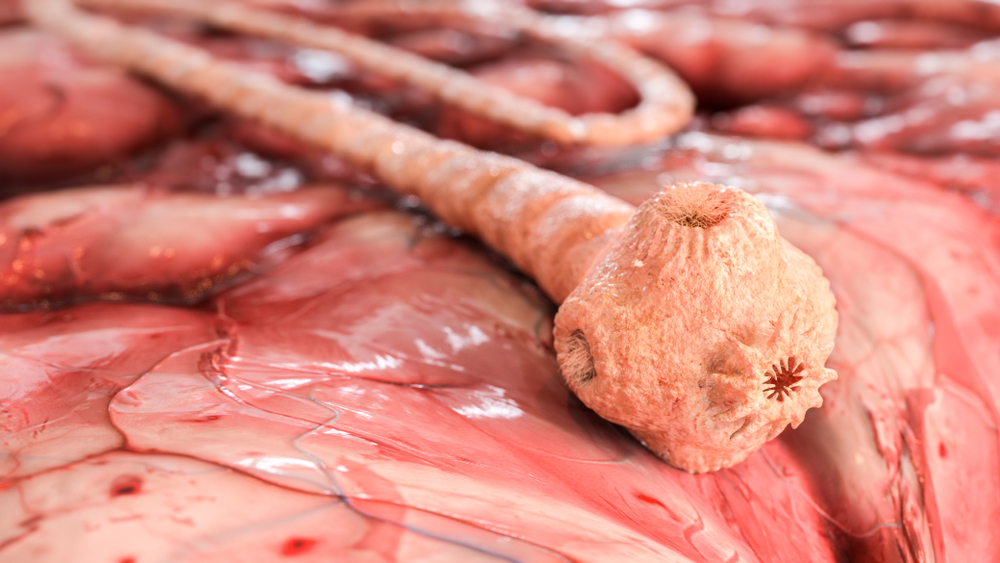
A recent medical case in the United States has brought new attention to a parasite most people associate with faraway regions rather than their own kitchens. A 52-year-old man developed neurocysticercosis, a serious brain infection caused by the pork tapeworm Taenia solium. The discovery surprised his doctors not only because the condition is relatively rare in the U.S., but also because he had no recent travel to countries where the parasite is common. Instead, the case was linked to a decades-long cooking habit many people might consider harmless.
The patient’s story highlights how everyday behaviors—like how thoroughly we cook certain foods—can open the door to unexpected health risks. It also underscores a broader truth: while modern food safety standards reduce the risk of many infections, no system is perfect. Understanding how infections like this occur and what steps can be taken to prevent them is key to avoiding serious illness.

A Rare Case of Pork Tapeworm Infection in the Brain
A 52-year-old man in the United States went to an outpatient clinic after his migraines began changing in ways he could not ignore. For many years, his headaches had followed a predictable pattern and could be managed with medication. But over the course of four months, the headaches became more frequent, striking about once a week, and also more severe, accompanied by sharp pain at the back of his skull. What once could be controlled with standard treatment had suddenly become unmanageable, which raised concern that something more serious was happening.
Routine checks of his vital signs revealed no major abnormalities, but imaging told a very different story. A CT scan of his brain uncovered numerous cyst-like lesions spread across both hemispheres. These were particularly concerning because they appeared in the white matter of the brain, the wiring system that allows communication between different brain regions. An MRI not only confirmed these lesions but also showed fluid buildup around them, a sign of irritation and potential pressure on surrounding brain tissue. These findings made it clear that his condition required immediate specialist attention.
The man was referred to infectious disease experts after a neurosurgical consult raised the possibility of a parasitic infection. Blood tests soon confirmed their suspicion, showing antibodies against Taenia solium, the pork tapeworm. Unlike other intestinal worms, T. solium is capable of invading the nervous system when its larvae spread through the bloodstream and lodge in brain tissue. When this happens, the condition is called neurocysticercosis. The diagnosis explained both the lesions seen in the scans and the worsening headaches that had brought him to the clinic in the first place.
Neurocysticercosis is common in regions where the pork tapeworm is endemic, including parts of Central and South America, Africa, and Asia. In these regions, it is a leading cause of epilepsy and other neurological disorders. The United States, by contrast, records only about 2,000 cases each year, and most are linked to recent travel to countries where the parasite circulates widely. This patient’s case was unusual because he had no such travel history. His only trip in recent years was a cruise to the Bahamas, which is not recognized as a hotspot for this infection. The absence of travel-related exposure made his case stand out to his doctors.
Treatment involved a carefully monitored course of antiparasitic drugs to kill the larvae, along with anti-inflammatory medications to control swelling in the brain caused by dying parasites. He was admitted to intensive care for close monitoring before continuing treatment on an outpatient basis. According to his doctors, the therapy led to a regression of the brain lesions and a significant improvement in his symptoms. While the man’s recovery was successful, the real puzzle for his medical team was how he had contracted an infection that is not considered common in the United States.

How Pork Tapeworms Infect Humans
The pork tapeworm, Taenia solium, has a complex life cycle that explains how infections like this can develop. In pigs, the parasite typically lodges in the intestines and muscles. The worms lay eggs that are shed in the animal’s feces, which can then contaminate the surrounding environment, including soil, water, or even surfaces touched by humans. When people eat undercooked pork that contains the larvae, they can develop an intestinal infection known as taeniasis. The worm grows and attaches to the intestinal wall, often going unnoticed until symptoms such as abdominal discomfort or changes in digestion appear.
The more dangerous form of infection occurs when a person ingests the eggs of T. solium rather than the larvae. These eggs can travel through the bloodstream and lodge in tissues such as muscle, skin, or, as in this man’s case, the brain. Once inside, they form cysts and provoke an inflammatory response from the immune system. In the brain, this condition is called neurocysticercosis. The immune response can break down the brain’s protective barrier, cause fluid buildup, and trigger neurological symptoms, including severe headaches, seizures, and in some cases, permanent damage.
What makes neurocysticercosis particularly troubling is that it does not always come from eating infected pork directly. It can also be caused by what doctors call “autoinoculation.” This happens when a person with taeniasis accidentally spreads the parasite’s eggs to themselves through poor hand hygiene, essentially transferring the eggs from their own intestines to their mouth and then back into their system. This self-infection can be even more devastating, because it allows the parasite to move beyond the intestines into critical tissues like the nervous system.
This mechanism is what doctors suspect occurred in this patient’s case. His longstanding habit of eating bacon that was not fully crisp may have exposed him to undercooked pork on multiple occasions. From there, he may have developed taeniasis and later, through accidental exposure to eggs, seeded the infection into his own brain. It is a rare but striking example of how something as ordinary as cooking habits can have profound consequences for health.

Why Undercooked Pork Is a Hidden Risk
Undercooked pork is one of the most common ways humans are exposed to T. solium. The U.S. Food and Drug Administration recommends cooking pork to at least 145 degrees Fahrenheit, or about 63 degrees Celsius. At this temperature, the parasite’s larvae are destroyed. Bacon, however, poses a special challenge. Because it is sliced thin, many people cook it based on texture or appearance rather than temperature. Bacon that is soft or chewy rather than crisp may never reach the heat required to fully eliminate harmful microbes or parasites.
In regions where the pork tapeworm is endemic, the risk of infection is higher because pigs are more likely to come into contact with human feces containing parasite eggs. But in countries like the United States, where commercial pork production is highly regulated, cases are far less common. That said, “less common” does not mean impossible, and this case highlights how even a small gap in food safety practices can have long-term health consequences. Doctors who treated the patient noted that infected pork is historically unusual in the U.S., which is why his case carries public health importance. It demonstrates that the risk, though low, still exists, especially for those who regularly consume pork that is not cooked thoroughly.
Foodborne parasites are not limited to T. solium. Undercooked meat in general can transmit a variety of pathogens, from Trichinella spiralis, another parasitic worm, to Toxoplasma gondii, a parasite that can cause flu-like symptoms or more serious illness in vulnerable populations. The broader point is that food safety guidelines exist for a reason. Even when the risk seems low in developed countries, a lapse in safe cooking practices can expose individuals to infections that are rare but serious.
The man’s case illustrates how personal habits, particularly when repeated over decades, can create a pathway for infections to occur. His preference for bacon that was never crisp became more than just a matter of taste. It became a health vulnerability that eventually contributed to a life-threatening brain infection. While this does not mean everyone who eats soft bacon is at risk, it does underscore that even familiar foods can carry hazards if not prepared properly.

What This Means for Public Health
From a public health perspective, this case sheds light on the continued importance of food safety, even in places where certain infections are not considered endemic. Neurocysticercosis is a significant cause of epilepsy worldwide, but in the United States it is often overlooked because it is so rarely encountered outside of immigrant or travel-associated populations. Yet the fact that this infection developed in someone without travel to high-risk regions demonstrates that the possibility cannot be ignored. Clinicians need to be aware that parasitic infections can and do occur in the U.S., even if they remain relatively uncommon.
The case also highlights the role of globalization in health risks. Although the patient himself had no recent travel to endemic regions, pork production and supply chains are global. While food safety standards in the U.S. are strict, contamination is always possible. Furthermore, with large numbers of people traveling internationally each year, parasites and other pathogens have more opportunities to move across borders. This blurring of geographic boundaries means that infections once thought to be confined to certain regions may surface in unexpected places.
Public health agencies already track foodborne illnesses, but rare cases like this one call for renewed vigilance. Infections that are unusual but serious need to be studied and documented carefully, both to protect individuals and to refine guidelines for prevention. Doctors who wrote about this case concluded that it may have public health implications precisely because it points to a scenario not typically considered high risk: undercooked pork consumption leading to autoinoculation. While isolated, the case acts as a reminder that foodborne parasites should remain part of the conversation on health and safety.
Raising public awareness is also critical. Many people know to be cautious about raw poultry or ground beef, but fewer realize that pork, especially cuts like bacon, carries risks of its own. Making sure this information reaches consumers can empower them to make safer choices in the kitchen and reduce their risk of infections that can have life-altering consequences.
Practical Tips for Safer Cooking and Eating
For everyday readers, the takeaway from this case is not to panic but to be mindful about food safety, especially when preparing pork. Cooking pork to the correct internal temperature of at least 145 degrees Fahrenheit is essential. Since it can be hard to measure temperature in thin cuts like bacon, the U.S. Department of Agriculture advises cooking it until it is crisp, a sign that it has likely reached a safe level of heat. Using a food thermometer for thicker cuts such as chops, roasts, or ground pork can remove guesswork from the process and help ensure food is safe.
Good kitchen hygiene is just as important as cooking temperature. Washing hands thoroughly with soap and warm water before and after handling raw meat prevents accidental transfer of pathogens from one surface to another. Cutting boards, knives, and counters that come into contact with raw pork should also be washed and sanitized before they are used again. These small, consistent practices can break the cycle of transmission and significantly reduce the risk of foodborne illness.
Safe food handling extends beyond pork. Undercooked or raw meat of any kind carries risks, as do unwashed fruits and vegetables or contaminated water. The Centers for Disease Control and Prevention regularly publishes guidelines for preventing foodborne illness, which stress the importance of clean preparation areas, proper storage, and adequate cooking. By adopting these practices at home, individuals can protect themselves and their families not only from tapeworm infections but from a range of other harmful microbes.
While these steps may seem basic, this case shows how overlooking them, even in a seemingly minor way such as cooking bacon until soft rather than crisp, can open the door to serious illness. Developing safer habits in the kitchen is one of the simplest and most effective forms of preventive health care available to the general public.
The Bigger Lesson
This man’s story is a powerful reminder that small habits matter. Something as ordinary as the way he prepared his breakfast over the course of decades left him vulnerable to an infection that most people in the United States will never face. While the outcome in this case was ultimately positive, with treatment leading to recovery, the infection could easily have caused lasting neurological damage or even death. The lesson is not only about parasites but about how closely health is tied to the daily choices we make.
The case also challenges the assumption that certain infections are “someone else’s problem,” confined to faraway places or populations. The global movement of people and food has blurred those boundaries, and pathogens can appear anywhere. By paying attention to food safety and hygiene, both individuals and public health systems can help minimize the risk of infections that were once considered rare or exotic.
At the individual level, the call to action is simple but significant: cook food thoroughly, practice good hygiene, and take food safety seriously. These measures do not require advanced medical knowledge or expensive resources, but they can prevent conditions that are difficult, costly, and dangerous to treat. Health often hinges less on grand interventions and more on small, consistent behaviors carried out every day.
If there is a single takeaway from this unusual medical case, it is that prevention matters. A habit as routine as making breakfast can shape health outcomes in profound ways. Awareness, caution, and care in how we prepare and consume food can mean the difference between a lifetime of wellness and a crisis that could have been avoided.
