
Something went terribly wrong within 30 minutes. A 13-year-old boy in Cairo, Egypt, had just finished eating what many would consider a harmless snack. Instant noodles sit in kitchen cabinets around the world, ready to be prepared in minutes. But on that fateful day in the El-Marg district, preparation never happened.
Severe abdominal pain struck first. Sweating followed. Soon, vomiting left the boy doubled over in agony. His family watched in horror as their child’s condition deteriorated at an alarming pace. By the time they fully grasped what was happening, it was too late.
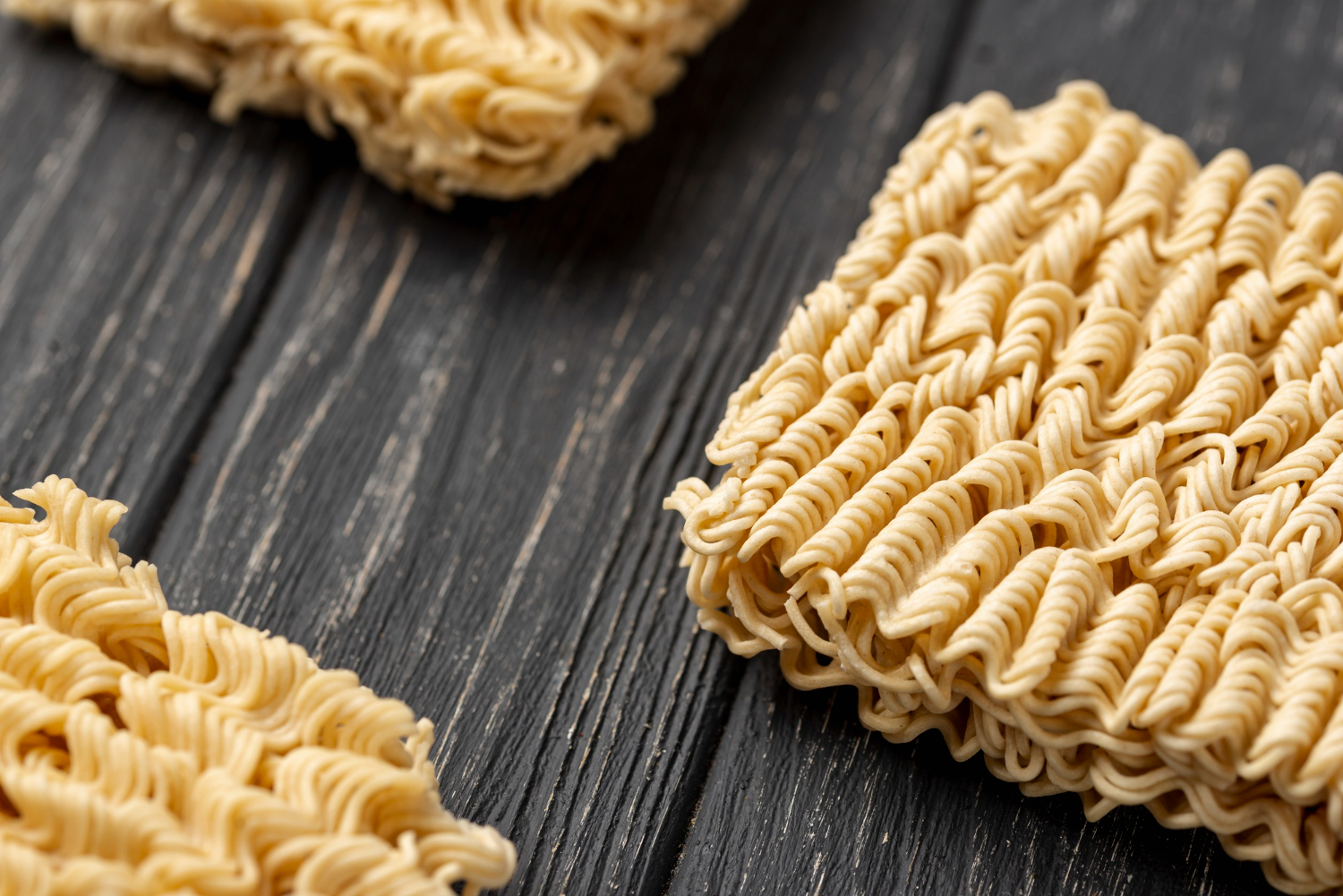
Authorities would later piece together a troubling picture. Before his symptoms began, he had consumed three entire packets of instant noodles. He never cooked them. He never added water. He ate them completely raw.
What drove a young teenager to eat uncooked noodles in such large quantities? Investigators believe they have an answer, and it points to a disturbing trend spreading across social media platforms worldwide.
Police Launch Investigation, Question Shopkeeper
When Cairo’s security directorate received word of the child’s death at his family home, officers arrived expecting to find evidence of foul play. Instead, they found a boy’s body with no visible injuries and a grieving family searching for answers.
Initial suspicions fell on the noodles themselves. Had someone tampered with them? Were they contaminated at the source? Could the shopkeeper who sold them have stored them improperly?
Police detained the shop owner for questioning. Investigators collected samples of the same noodle products from his store and sent them to laboratories for testing. Meanwhile, authorities transferred the boy’s body for a full autopsy.
Everyone wanted to know what killed a seemingly healthy 13-year-old so quickly. Was it poison? Bacteria? A manufacturing defect? Community members demanded answers, and investigators worked to provide them.
Autopsy Rules Out Poisoning, Points to Raw Noodle Consumption

Laboratory results came back with unexpected findings. Tests confirmed that the noodles met all standard specifications. No poison. No contamination. No evidence of improper storage or handling.
Autopsy results painted a different picture of what happened inside the boy’s body. Medical examiners concluded that he likely died from an acute bowel emergency. More specifically, they suspected digestive obstruction caused by consuming such a large quantity of raw noodles at once.
When eaten dry, instant noodles absorb moisture from the digestive system. Inside the gut, they expand and can form dense masses that block normal intestinal function. Severe dehydration often accompanies these blockages as the body struggles to process the uncooked starch and dried ingredients.
Three packets consumed in rapid succession apparently overwhelmed the boy’s digestive system beyond its ability to cope. What might have been an uncomfortable stomach ache from a few bites became a medical catastrophe at that volume.
Viral “Eat Ramen Raw” Trend Raises Alarm

Investigators believe the boy did not act on a random whim. Evidence suggests he was participating in something far more troubling, a viral social media challenge that has gained alarming traction among young people.
Videos tagged with variations of “Eat Ramen Raw” have accumulated millions of views across multiple platforms in recent months. Content creators, many of them teenagers themselves, film themselves biting into dry noodle blocks straight from the package. Comments sections fill with young viewers expressing curiosity or announcing plans to try it themselves.
Supporters of the trend point to a technical fact about instant noodles. Most brands pre-cook or steam their noodles during manufacturing before drying and packaging them. In a strict sense, the noodles are not completely raw. Manufacturers designed them to be edible without further cooking in emergencies.
But edible does not mean safe in large quantities. Every major instant noodle manufacturer includes cooking instructions on packaging for good reason. Proper preparation involves adding hot water, which softens the noodles and makes them far easier to digest.
Health experts have grown increasingly worried as the trend continues spreading. Young people often lack the judgment to recognize when a viral challenge crosses from silly into dangerous territory. Peer pressure and the desire for online validation can override common sense, especially when influencers make risky behavior look fun and consequence-free.
Doctor Warns About Serious Digestive Strain

Medical professionals have spoken out about why eating raw instant noodles poses real dangers, particularly in large amounts.
Dr. Ruchi Gupta addressed the issue directly when speaking to Pune Pulse about the risks involved. “Instant noodles are processed to be consumed after cooking. Eating them raw in large quantities can put serious strain on the digestive system.”
Her warning cuts to the heart of why social media challenges involving raw noodle consumption should concern parents and educators alike. Human digestive systems evolved to process cooked foods more efficiently than raw or dried alternatives. Cooking breaks down starches and fibers, making nutrients more accessible and reducing the mechanical burden on the intestines.
When someone eats a significant amount of dry, compacted noodles, their body must work overtime to break down the mass. Gastric acids and digestive enzymes struggle against tightly packed carbohydrates that resist normal processing. Meanwhile, the dry noodles draw moisture from surrounding tissues, potentially causing dehydration even as the person feels full.
For most people, nibbling a few strands of dry ramen causes nothing worse than mild discomfort. But challenges that encourage eating entire packets, let alone multiple packets, push the body past safe limits.
Instant Noodles Popular in Egypt, Especially Among Youth
Understanding the tragedy requires understanding how deeply instant noodles have woven themselves into Egyptian food culture.
Brands like Indomie have become household names across Egypt and much of the Middle East. Low prices make instant noodles accessible to families across all income levels. Quick preparation appeals to busy parents and hungry children alike. A packet of noodles costs just a few Egyptian pounds and transforms into a hot meal in under five minutes.
Young Egyptians, especially, have embraced instant noodles as a convenient snack and budget-friendly meal option. College students, teenagers, and even younger children regularly consume them. For many, instant noodles represent independence and self-sufficiency, a food they can prepare without adult help.
Previous incidents linked to instant noodle consumption have occurred in Egypt, though none as immediately fatal as this case. Health advocates have long raised concerns about the nutritional profile of instant noodles, particularly their high sodium content and the presence of additives like monosodium glutamate, commonly known as MSG.
Egypt’s Nutrition Institute Weighs In

Following the boy’s death, Egypt’s National Nutrition Institute responded to growing public concern with measured statements. According to reports, the institute stressed that no scientific evidence proves instant noodles like Indomie directly cause death when consumed as intended. Millions of people eat instant noodles daily without incident. Properly prepared according to package directions, these products do not pose unusual health risks to most consumers.
However, the institute acknowledged that misuse or specific circumstances can create dangerous situations. Poor storage conditions might allow bacterial growth or contamination. Consuming products in ways manufacturers never intended, such as eating large quantities raw, introduces risks that normal preparation methods avoid.
Authorities urged parents to supervise young children’s food choices and to discuss the dangers of following social media trends without considering consequences.
Other Recent Food-Related Deaths Serve as Grim Reminders
While the Egyptian boy’s death stemmed from how he consumed his food rather than contamination, recent months have seen multiple tragedies involving food safety failures around the world.
In Brussels, Belgium, a 20-year-old man known as AJ died after eating a bowl of reheated pasta in tomato sauce. He experienced symptoms strikingly similar to the Egyptian teenager, including headaches, stomach pain, and repeated vomiting. AJ fell asleep around midnight, and his devastated parents found him lifeless in bed hours later. An autopsy revealed suspected food poisoning from Bacillus cereus bacteria, which had spread through the pasta after it sat at room temperature for several days before he ate it.
Food festival attendees in another incident faced tragedy when toxic guacamole claimed two lives. Customers showed signs of botulism after consuming the contaminated avocado dip, which vendors had unknowingly served.
Italy witnessed its own food-related deaths when two people died after eating vegetable and sausage sandwiches from a food truck near Diamante in Calabria. Tamara D’Acunto, 45, died shortly after eating a panini made with turnip greens. Luigi Di Sarno, 52, also died after purchasing a sandwich from the same vendor. More than a dozen additional people required hospitalization.
In the United States, Nate’s Fine Foods expanded a recall of pre-cooked pasta meals after samples tested positive for Listeria monocytogenes. Products affected included fettuccine, linguine, and farfalle varieties.
Federal health agencies reported 27 people infected across 18 states. Of 26 individuals with available information, 25 required hospitalization. Six deaths occurred, and one pregnancy-associated illness resulted in fetal loss.
Keeping Kids Safe From Dangerous Online Challenges
A 13-year-old boy ate three packets of raw noodles and lost his life. His death represents a worst-case outcome for a trend that continues circulating among young social media users worldwide.
Parents face an ongoing challenge in monitoring what their children encounter online. New trends emerge constantly, and not all of them carry obvious warning signs. A video showing someone crunching on dry noodles might seem harmless at first glance. Only understanding the potential consequences reveals the danger lurking beneath the seemingly innocent content.
Open conversations about online safety remain one of the most effective tools available. Children who feel comfortable discussing what they see on social media with trusted adults are better equipped to recognize when a trend crosses into dangerous territory. Rather than lecturing, parents can ask questions and share information in ways that encourage critical thinking.
Food manufacturers design their products with specific preparation methods in mind. Those instructions exist for reasons beyond taste and texture. Following them protects consumers from outcomes that nobody anticipates when they reach for a convenient snack.
A young boy in Egypt paid with his life for a social media trend. His tragedy should remind everyone that viral challenges can carry very real consequences, and that some risks simply are not worth taking for online attention.
