
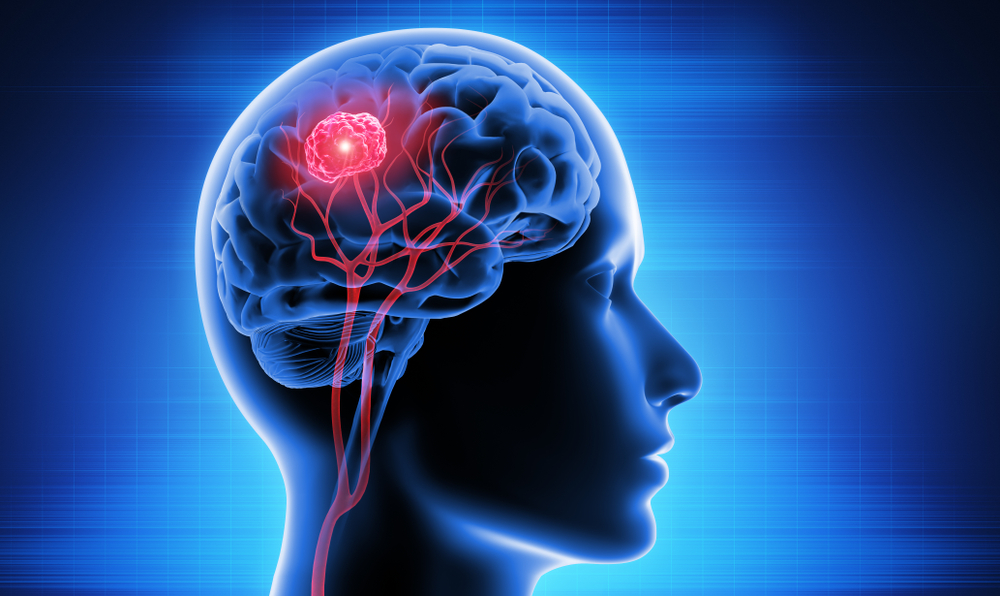
At first, the signs felt harmless. A little morning nausea, a dizzy spell here and there, a feeling that something he ate just was not sitting right. For 26 year old Micheal, a diesel mechanic from the Midwest, nothing about those early symptoms screamed life changing diagnosis. They were the kind of sensations most people shrug off while carrying on with their day.
But within weeks, those subtle hints grew into unmistakable red flags. What Micheal initially dismissed as minor sickness or a simple ear issue turned out to be the beginning of a battle he never expected to fight. According to his conversations with The Patient Story and later accounts he shared through his clinical trial experience, it was the accumulation of small, almost invisible symptoms that eventually led doctors to discover the truth. Micheal had a diffuse midline glioma in his brain stem, an aggressive and inoperable form of brain cancer.
His journey has since become a powerful reminder of how easily early warning signs can be overlooked. It highlights the importance of listening to our bodies, and it sheds light on the realities of a condition that often goes undetected until it becomes severe.
In this in depth viral story, we explore Micheal’s experience while weaving in crucial medical context about brain tumors, their warning signs, how they are diagnosed, and why early detection matters. Micheal’s courage offers both a sobering look at a devastating diagnosis and an inspiring message about hope, resilience, and finding meaning in the hardest moments.
The First Subtle Signs That Something Was Wrong
When Micheal and his family took a trip to Minneapolis in early February, nothing felt out of the ordinary at first. They visited the Mall of America, enjoyed a hockey game and made the most of the getaway. But during those mornings away from home, he began waking up with sudden waves of intense nausea that seemed almost out of nowhere.
He thought it was just food poisoning or a bug. Like many people experiencing subtle brain tumor symptoms, he did not consider that something happening inside the brain could be the cause. According to several medical guides, nausea and vomiting are early warning signs that often catch people off guard, especially when they appear without a clear cause.
When he returned home, things only escalated. Lying flat became impossible. Each time he tried, he felt a dizzy sensation that resembled standing still after spinning quickly in a circle. He described it as his equilibrium suddenly giving out. While dizziness can be linked to ear issues, it is also one of the more subtle early indicators of tumors affecting balance centers in the brain.

By late February, yet another symptom appeared. The right side of Micheal’s face started to weaken. He could no longer smile symmetrically or fully blink on that side. Facial weakness is one of the more overlooked neurological signs that something may be pressing on nerves or affecting pathways in the brain.
Concerned but still unsure of the seriousness of the situation, Micheal visited his local doctor. He was told the symptoms could be due to dislodged crystals in the inner ear. This explanation is common and often accurate, but in this case, it allowed the true cause to remain hidden a little longer.
Still, Micheal’s symptoms did not improve. Instead, they began to stack up. His ENT doctor later detected eye nystagmus, which means his eyes involuntarily bounced back and forth when he looked to either side. According to medical resources, nystagmus can be an important sign of pressure in or around the brain stem.
This was the moment doctors recommended he get an MRI. But like many people who juggle work, life responsibilities and fear of bad news, Micheal delayed the scan until closer to April.
What Doctors Found and Why It Changed Everything

When Micheal finally went in for the MRI, the medical team discovered a mass in his brain. This started a chain of tests, transfers and evaluations. He was eventually sent from Sioux City to Mercy Hospital, and then to Omaha, where an advanced MRI confirmed the truth.
Micheal had a diffuse midline glioma, often shortened to DMG. These tumors are extremely aggressive and located deep in the brain. They are called diffuse because they do not form clear borders, making surgical removal impossible without damaging vital structures. In Micheal’s case, the tumor was fused into his brain stem.
Hearing the diagnosis left him stunned. He said he felt numb the moment the neurologists explained what was happening. The news hit so hard that he took off the medical monitors attached to him and simply walked out of the room. He headed to a nearby church with his mom, wife and best friend. Only then did the reality settle in, leading to an emotional breakdown.
For many patients, the discovery of a brain tumor often comes long after the first symptoms appeared. Medical experts emphasize that early warning signs are subtle partly because the brain can compensate for abnormal changes until the tumor becomes large enough to cause noticeable disruptions.
The Medical Reality of Brain Tumors and Why Early Signs Are Easy to Miss

To understand how Micheal’s experience aligns with medical knowledge, it helps to look at what brain tumors are and how they behave.
A brain tumor is an abnormal growth of cells in or around the brain. Some tumors are benign, meaning they are not cancerous, while others are malignant and can grow quickly or spread. Brain tumors can originate in the brain itself or spread from cancers elsewhere in the body.
Diffuse midline gliomas like Micheal’s are among the most difficult types to treat. They develop in areas that control essential functions such as breathing, swallowing, balance and facial movement. Because of their location and lack of defined borders, they cannot be removed surgically.
According to medical guides, early symptoms of brain tumors vary widely depending on the tumor’s location. Some of the most common early signs include:
- Persistent headaches, especially those that worsen over time
- Seizures
- Unexplained nausea or vomiting
- Vision problems such as blurriness or double vision
- Changes in speech or hearing
- Cognitive shifts or personality changes
- Weakness or numbness in parts of the body
- Balance or coordination issues
These symptoms often get mistaken for stress, migraines, sinus infections or other less serious conditions. Micheal’s early symptoms, especially nausea, dizziness and facial weakness, fit within these categories.
Silent signs that appear slowly over time can also include mood changes, subtle speech difficulties, sleep disruptions or mild headaches that become more frequent.
Understanding how these symptoms connect can help individuals seek medical care sooner, potentially catching tumors before they progress.
A Second Opinion That Changed the Path Forward

After receiving the devastating news in Omaha, Micheal returned home feeling overwhelmed. His mom, determined to give him the best chance possible, insisted they seek a second opinion. She pushed for a trip to Mayo Clinic, one of the leading medical centers for neurological conditions.
They drove more than four hours and arrived late in the evening, waiting until early morning to be seen. A neurosurgeon in the emergency department recognized the urgency and arranged for Micheal to meet Dr. Parney, a top specialist.
This led to a biopsy that would confirm the exact nature of the tumor. The biopsy carried risks, including a chance of facial paralysis, nerve damage and even death. Micheal chose to proceed.
After the biopsy, he woke up with several temporary and long lasting effects. The right side of his face experienced Bell’s palsy. His eye no longer closed fully. His left arm became partially numb from the shoulder to his fingertips. These aftereffects were frightening but expected.
Despite the complications, the biopsy provided answers. Micheal’s tumor was officially classified as a diffuse midline glioma, grade 4. This is a high grade cancer, meaning it is fast growing and difficult to treat.
Choosing a Clinical Trial and Facing Treatment Head On

Because DMGs cannot be surgically removed, treatment options are limited. Traditional therapy often involves six straight weeks of radiation, which can be extremely taxing on the body.
Micheal’s radiologist offered another possibility. A clinical trial was testing shorter rounds of radiation, delivered in two week intervals followed by observation. This approach allows doctors to watch how the tumor responds while giving the body time to recover.
When Micheal’s mom asked which option the doctor would choose for his own child, the doctor recommended the clinical trial. That sentiment convinced the family.
During and after his first two week cycle, Micheal experienced intense nausea, dizziness, head pressure and hair loss at the radiation site. Doctors explained that swelling around the tumor was normal, similar to how a boxer’s eye swells after being hit repeatedly. Over time, the swelling subsided, and some of his symptoms improved.
Despite the challenges, Micheal stayed mobile, alert and independent. He continued walking, talking and working when he could. His eye nystagmus gradually improved. He remained fiercely committed to showing up for each MRI and treatment cycle.
Understanding Brain Tumor Risks, Causes and Why They Occur

While Micheal’s story is deeply personal, it reflects broader truths about brain tumors. Doctors still do not fully understand what causes them, but several factors may increase risk.
These include genetic conditions, radiation exposure, weakened immune systems, certain viral infections and long term chemical exposure. In many cases, however, tumors occur without any identifiable cause.
Brain tumors affect individuals of all ages. They are among the most common childhood cancers but also appear frequently in adults, particularly in their middle years or later in life. Tumors like glioblastoma and diffuse midline gliomas can affect men more often, while others like meningiomas occur more frequently in women.
Understanding these patterns does not guarantee prevention, but it allows people to recognize their vulnerabilities and monitor symptoms more closely. Regular medical checkups, awareness of subtle neurological changes and attention to persistent unexplained symptoms can play an important role in early detection.
How Diagnosis Happens and Why It Is Often Delayed
Diagnosing a brain tumor requires a combination of imaging tests and neurological evaluations. MRIs are the most accurate method because they reveal the structure of the brain in detail. CT scans can help in emergency situations, and PET scans detect areas of unusual metabolic activity.
Biopsies, like the one Micheal received, remain crucial for identifying the exact tumor type and grade.
But delays in diagnosis are common. People often wait months or even years before seeking help, especially when symptoms are mild or sporadic. Many early signs are mistaken for everyday ailments such as sinus issues, stress, dehydration or lack of sleep.
Micheal’s experience shows how easy it is for symptoms to be misunderstood. His nausea was attributed to food. His dizziness was blamed on ear crystals. His facial weakness did not point immediately to cancer. These misunderstandings are common and highlight why increased awareness is essential.

How Brain Cancer Reshaped Micheal’s Outlook on Life
After accepting that surgery was not possible, Micheal began to shift his focus to what he could still control. He leaned on his family, faith and sense of humor. He joined support groups and found comfort in connecting with others facing similar diagnoses.
He also began to appreciate life in ways he had never considered before. Walking outside became an act of mindfulness. Paying attention to nature, the weather and the small details around him helped ground him in the present moment.
Before his diagnosis, Micheal dreamed of becoming a pilot. With his vision affected, that dream has been delayed, but not abandoned. He remains determined to pursue it when his eyesight improves.
For him, hope is no longer a vague wish. It is the force that gets him out of bed each morning. It is the belief that he still has time with his loved ones, that he may one day hold his children and watch them grow.
He even jokes with his mom that he hopes he gets to bury her rather than the other way around. It is a dark sense of humor, but it allows them to talk openly about fear and love in the same breath.
What Others Can Learn From Micheal’s Story
Micheal’s experience highlights several important takeaways for anyone reading his story.
- Do not ignore persistent or unusual symptoms. Even mild issues like dizziness, nausea or subtle weakness can signal something serious.
- Seek second opinions when needed. Micheal’s mom insisted on further evaluation, and it changed the path of his care.
- Listen to your intuition. Micheal knew something felt wrong long before the diagnosis.
- Take life seriously, but not too seriously. His humor and hope carry him through the darkest moments.
- Help others whenever possible. Micheal believes strongly in kindness, especially toward strangers.
- Do not wait for crisis to start living intentionally. Appreciating life should not require a diagnosis.
Looking Ahead With Hope and Clarity
Micheal’s story is deeply personal, yet widely resonant. His early symptoms were easy to overlook, familiar enough to seem harmless. But when the truth revealed itself, he faced it with honesty, courage and a willingness to keep moving forward.
His journey reminds us to pay attention to the signs our bodies send us. It shows how vital second opinions can be, how powerful hope becomes when life feels uncertain and how even the most devastating news can reshape a person’s perspective in meaningful ways.
Micheal continues to take life one day at a time, grounded in the belief that there is still joy to be found and a future worth fighting for. His message to others is simple but powerful. Do not take life for granted. Live with intention, stay curious, help people when you can and never underestimate the strength that comes from hope.
