
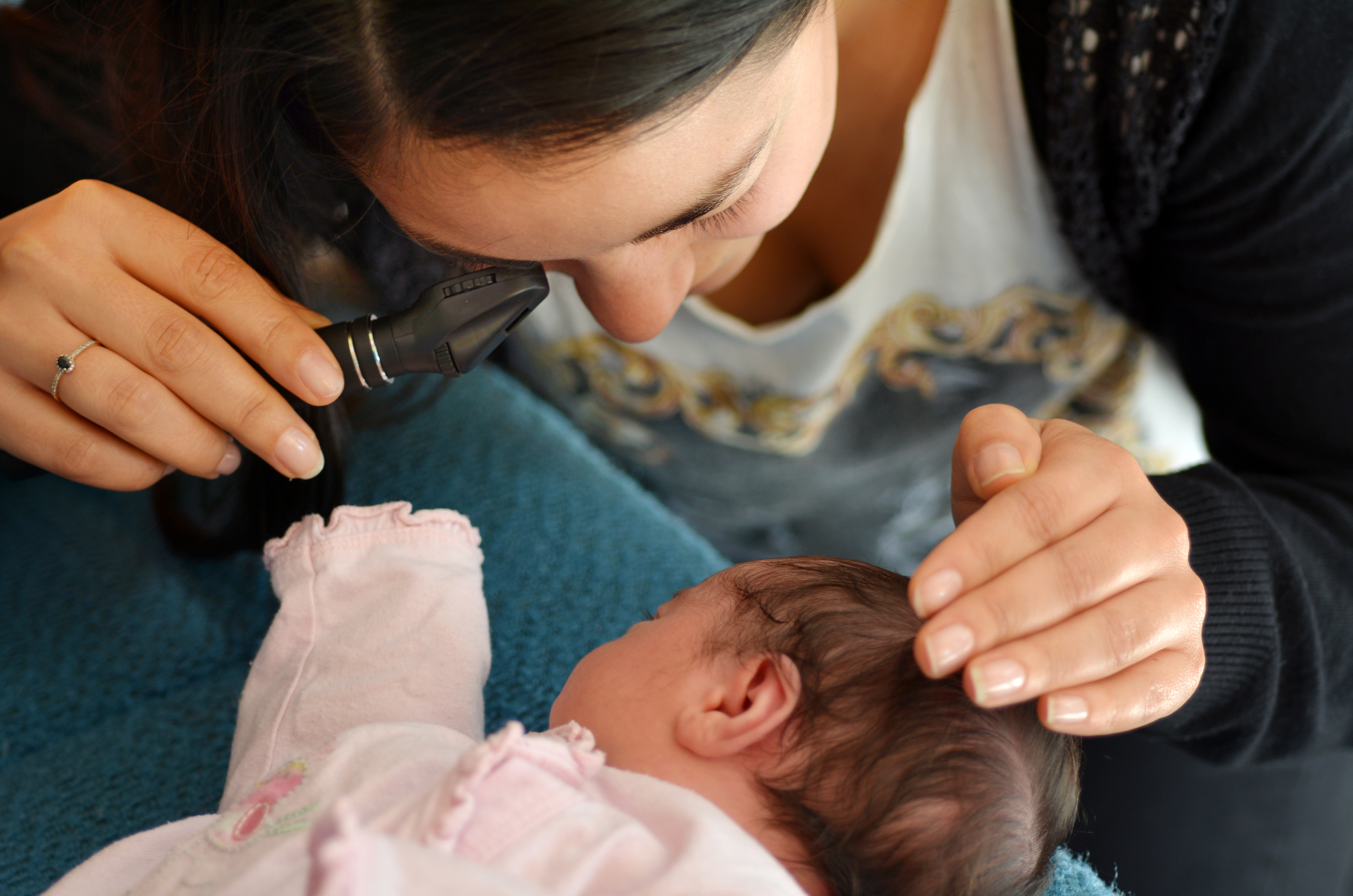
For Jace, a 6-year-old boy from Connecticut, the world once appeared shrouded in darkness. Born with Leber Congenital Amaurosis (LCA), a rare and severe form of childhood blindness, he could only distinguish between light and dark. But thanks to a groundbreaking gene therapy trial, Jace’s sight was partially restored, marking a significant milestone in medical history.
This pioneering treatment, which targets the genetic cause of LCA, represents the first successful use of gene therapy to restore vision in children born with this condition. What makes this breakthrough even more extraordinary is its potential to transform the lives of countless children like Jace, who have long faced a future with limited vision and few treatment options. In this article, we’ll take a closer look at how gene therapy helped Jace regain sight, what the procedure involved, and how this success could change the future of treating genetic blindness.
What is Leber Congenital Amaurosis (LCA)?

Leber Congenital Amaurosis (LCA) is a rare genetic condition that causes severe vision loss from birth, often leading to legal blindness. For children with LCA, the typical symptoms are noticeable shortly after birth: they struggle to track moving objects, show limited responsiveness to light, and often have difficulty distinguishing shapes or faces. In the most severe cases, like Jace’s, the only visual perception is light versus dark.
LCA is caused by mutations in one of several genes that are crucial for the retina’s ability to process light. In Jace’s case, the mutation was found in the AIPL1 gene, which plays an essential role in the functioning of photoreceptor cells in the retina. These cells, called rods and cones, are responsible for converting light into electrical signals that the brain interprets as images. Without proper functioning of the AIPL1 gene, these photoreceptor cells can’t do their job, leading to rapid degeneration of the retina and a dramatic loss of vision.
Unfortunately, LCA doesn’t have an established treatment, and children diagnosed with the condition face the harsh reality of a life with profound vision impairment. The progression of the disease typically means that even limited vision, such as the ability to distinguish between light and dark, will worsen over time. Until recently, there was little hope for those affected by this condition, as no effective treatments existed to slow or reverse the damage.
However, that changed with the development of gene therapy, which is offering new possibilities for children like Jace.
The Breakthrough Treatment: Gene Therapy
Gene therapy has been a subject of intense research for years, and its potential to treat genetic conditions has always been promising. In the case of Leber Congenital Amaurosis (LCA), gene therapy aims to replace the defective gene responsible for vision loss with a healthy version. By doing so, the hope is to restore the function of the retina and prevent further deterioration.
The procedure itself is relatively simple but groundbreaking in its application. In this case, a harmless virus is used as a carrier to deliver the healthy version of the AIPL1 gene directly into the retina. The virus, which has been modified to carry the functional gene, is injected into one eye of the patient. The virus then goes to work, delivering the new gene to the photoreceptor cells in the retina, essentially providing them with the instructions they need to function properly again.
This gene therapy was carried out using a subretinal injection, a process that is minimally invasive and can be done in a short procedure. Although only one eye is treated initially, the results from this experimental trial have been impressive. The choice to treat just one eye is made in order to mitigate potential safety concerns and observe the effects of the treatment before proceeding with broader interventions.
What makes this therapy so revolutionary is not just its approach, but the results it has already begun to show. Children like Jace, who previously had no more than the ability to perceive light and dark, are now able to see objects, track movements, and even interact with their environment in ways that were previously unimaginable for someone with such severe vision loss. It’s a breakthrough that could pave the way for treatments of other forms of genetic blindness and retinal degenerati
Jace’s Early Struggles and the Search for Hope

Jace’s story started with early signs of a vision issue that his parents, DJ and Brendan, couldn’t overlook. At just eight weeks old, when most babies start tracking faces and responding to visual cues, Jace wasn’t showing any of these typical behaviors. His parents grew concerned and spent months visiting doctors and undergoing tests, eventually receiving the diagnosis: Leber Congenital Amaurosis (LCA), a rare genetic condition causing blindness due to a mutation in the AIPL1 gene.
“It was a shock,” Brendan recalls. “You never think it’s going to happen to you, but at least we had a direction. We finally knew what we were up against.”
The diagnosis was devastating, but it also opened the door to something unexpected. DJ and Brendan soon heard about an experimental gene therapy trial being conducted at Moorfields Eye Hospital in London. This trial offered a potential chance for children like Jace, who had no other treatment options, to regain some vision. The couple didn’t hesitate—they wanted to give Jace every opportunity to experience the world through sight.
At just two years old, Jace was selected to participate in the trial. The procedure involved injecting a healthy copy of the AIPL1 gene into one of Jace’s eyes, a method designed to replace the faulty gene and restore retinal function.
The Incredible Transformation in Jace’s Vision

The results of the procedure were nothing short of astonishing. Just a month after receiving the gene therapy, Jace began showing significant improvements in his vision. His mother, DJ, remembers the early signs of progress: “After the surgery, Jace was immediately more engaged. He started responding to the TV, recognizing his favorite toys, and even making the nurses laugh by spinning around.”
Before the therapy, Jace could only distinguish light from dark and was unable to track objects. However, after the treatment, he was able to recognize shapes and faces, marking a dramatic shift in his ability to interact with the world around him. His parents were thrilled by these developments, feeling a sense of hope they hadn’t felt before. “It’s nothing short of spectacular,” says Brendan. “Even a little bit of sight has made a huge difference in how he interacts with the world.”
Jace’s improvements didn’t stop there. Over the following months, his vision continued to improve. He was now able to identify objects from a distance and move around more independently—milestones that had once seemed impossible for a child born blind. Jace’s story is not only a personal victory for his family but a beacon of hope for other children with LCA, offering a glimpse into the transformative power of gene therapy.
How This Treatment Is Transforming the Future of Childhood Blindness

Jace’s progress is part of a broader, groundbreaking shift in how we approach genetic blindness. Gene therapy is proving that early intervention can restore sight in children previously considered untreatable. By delivering a healthy copy of the AIPL1 gene directly into the retina, this treatment helps restore the function of the photoreceptor cells responsible for vision. Using a harmless virus as a carrier, the gene therapy actively repairs vision loss at a cellular level, offering a potential solution to conditions like Leber Congenital Amaurosis.
What sets this therapy apart is how quickly improvements can be seen. For Jace, vision began improving within weeks of treatment, and other children in the trial showed similar gains. These results suggest that gene therapy could offer significant benefits for children diagnosed with severe genetic blindness, potentially altering the course of their development and interaction with the world.
Though still experimental, the success of this treatment opens the door for future applications. Researchers are now exploring the possibility of using gene therapy for other genetic eye disorders and even some neurodegenerative conditions that affect vision. What once seemed impossible—restoring sight to children born blind—is becoming an achievable reality.
What Families Can Do Now to Support Children with Genetic Blindness

Supporting a child with genetic blindness requires a combination of practical and emotional strategies to help them thrive. Here are five key ways families can provide support:
1. Early Intervention and Specialized Support
Seek early intervention programs that include vision rehabilitation, therapy, and specialized education. These services help children with genetic blindness build essential skills like mobility and communication.
2. Create a Supportive Home Environment
Adapt your home to make it more accessible. Labeling items with braille or large print, organizing spaces to reduce obstacles, and using assistive technology like screen readers can foster independence and ease of movement.
3. Utilize Assistive Technology
Introduce tools such as braille books, talking devices, and apps for visually impaired children. These resources can make learning, communication, and daily activities more manageable and enjoyable.
4. Connect with Support Networks
Join local or online support groups for families with children who have genetic blindness. These networks offer a sense of community and provide valuable resources, emotional support, and practical advice.
5. Celebrate Achievements and Build Confidence
Celebrate every milestone, no matter how small, to boost your child’s self-esteem. Encouragement and positive reinforcement help children with genetic blindness feel capable and motivated.
By taking these steps, families can play a crucial role in empowering their child and helping them navigate the challenges of genetic blindness with confidence and independence.
A Hopeful Future for Children with Genetic Blindness

Jace’s story is nothing short of inspiring. From being born blind to now having the ability to see the world around him, his journey shows just how powerful science can be in transforming lives. For his parents, DJ and Brendan, the hope they once thought impossible is now a reality. And while this gene therapy treatment is still in the early stages, Jace’s progress gives a sense of optimism for other children with genetic blindness.
As more research unfolds, gene therapy has the potential to change the lives of many more children who are born with similar conditions. For families like Jace’s, this isn’t just about restoring sight—it’s about offering a brighter future filled with new experiences, opportunities, and connections. While this treatment is still experimental, it’s a significant step forward, one that reminds us of the incredible possibilities that lie ahead when science and compassion come together.
Source:
- Michaelides, M., Laich, Y., Wong, S. C., Oluonye, N., Zaman, S., Kumaran, N., Kalitzeos, A., Petrushkin, H., Georgiou, M., Tailor, V., Pabst, M., Staeubli, K., Maimon-Mor, R. O., Jones, P. R., Scholte, S. H., Georgiadis, A., Van Der Spuy, J., Naylor, S., Forbes, A., . . . Bainbridge, J. W. B. (2025). Gene therapy in children with AIPL1-associated severe retinal dystrophy: an open-label, first-in-human interventional study. The Lancet, 405(10479), 648–657. https://doi.org/10.1016/s0140-6736(24)02812-5
