
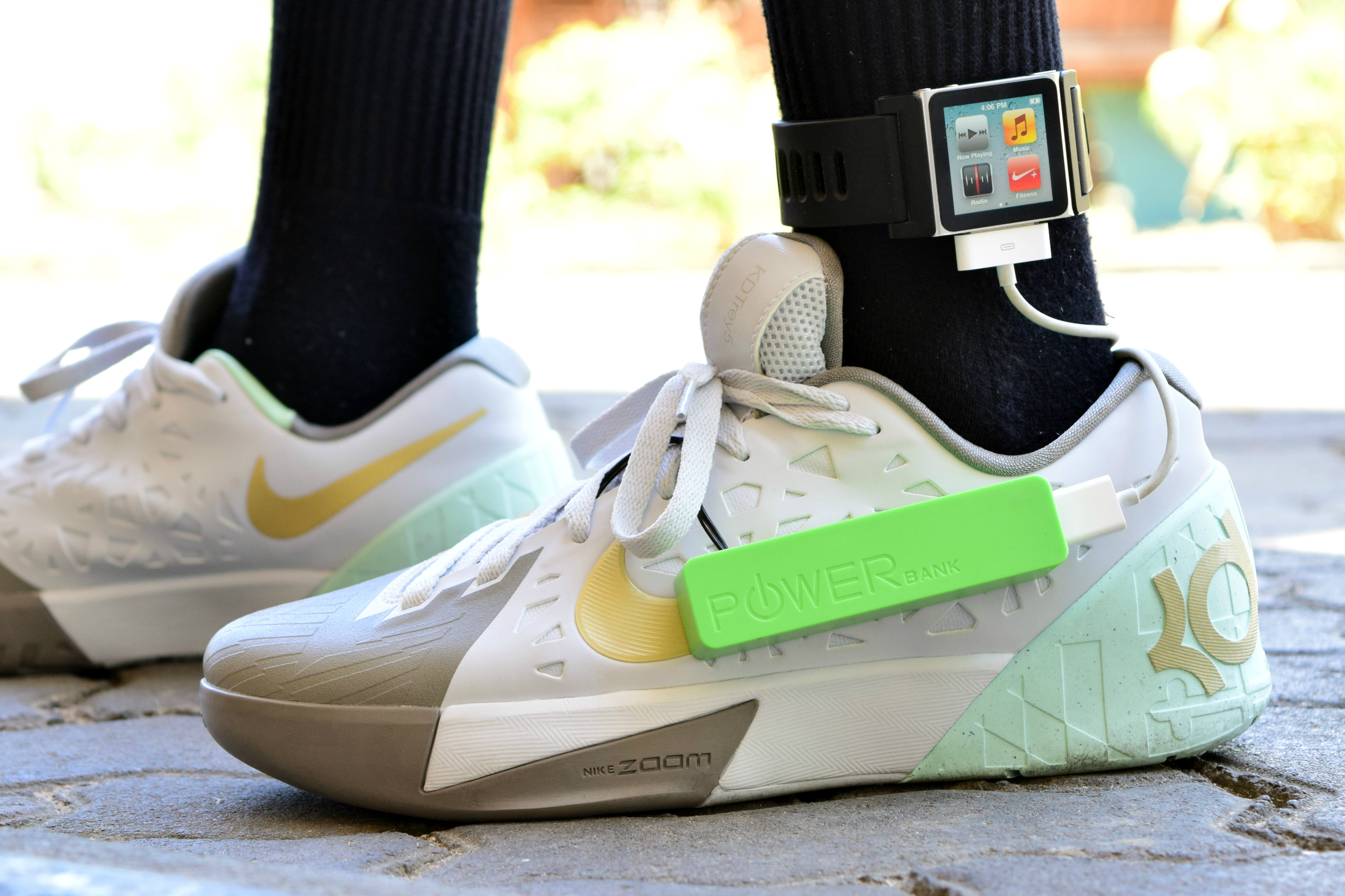
Imagine powering your phone just by strolling down the street. Sounds like a sci-fi dream, but a 15-year-old from the Philippines turned it into reality. Angelo Casimiro crafted shoes that generate electricity with every step, charging smartphones and small gadgets on the go.
His clever insole design garnered a global spotlight as a regional finalist in Google’s 2014 Science Fair, showcasing a young mind tackling real-world issues with practical technology. Instead of locking away his idea, Angelo shared the complete design online for free, aiming to bring power to communities where electricity is spotty or nonexistent.
Power from Every Step

Some materials spark an electric charge when you press or bend them, a discovery made in the 18th century by scientists studying the properties of crystals. Picture squeezing a stress ball, but with special ceramics or crystals, like quartz, that generate electricity as they change shape.
You’ve likely seen this tech in action—1990s earphones used piezoelectric parts to turn electrical signals into sound. Angelo Casimiro flips this idea, harnessing the pressure from your footsteps to create power. Each step squashes the crystal structure, pushing positive and negative charges apart to produce a voltage.
This energy gets captured and stored in a small battery for charging phones or gadgets. Unlike bulky generators, these lightweight piezoelectric elements fit snugly in shoe soles, working silently as you walk. The concept isn’t new—piezoelectricity powers devices like lighters and sensors—but Angelo’s clever use makes it practical for everyday life, especially in places where electricity is scarce. His design converts thousands of daily steps into a steady stream of usable energy, demonstrating that even small movements can have a significant impact.
Picking Comfort Over Clunky Generators
Dynamo generators produce more electricity than piezoelectric systems and effectively power bicycle lights. However, Angelo deliberately avoided this approach after considering real-world user experience.
“As much as possible, I tried to avoid using dynamos. Yes dynamos produce more electricity but it will feel like you’ve stuffed a rock in your shoe. Don’t forget dynamos will create a lot of noise,” Angelo explained.
Dynamos require heavy rotating mechanical components that would make walking awkward and create audible noise with each step. Angelo’s piezoelectric elements operate silently and add minimal weight, allowing normal walking while generating electricity invisibly.
From First Spark to Smart Shoes

Angelo’s prototype used two plastic spacers sandwiched between piezoelectric discs, generating enough current to charge a Nokia 3310 phone. While primitive, this early version proved his concept could work.
Returning with additional knowledge, he integrated a charge collector and power bank directly into the system, thereby eliminating the need for external components. His current design incorporates multiple piezoelectric pairs working together, since more generators produce more electricity.
Angelo’s journey illustrates key principles of invention: initial prototypes need only prove that basic concepts work, experience allows inventors to return with fresh perspectives, and successful innovations often combine proven technologies in new and innovative ways.
Lighting Up Lives in Remote Areas

Many areas in the Philippines lack reliable electricity, creating daily challenges for residents who need to power essential devices like flashlights, radios, and mobile phones for communication and safety.
Average humans take 7,000 steps daily – untapped energy that Angelo recognized could be captured and converted. While individual footsteps produce minimal energy, the cumulative effect over thousands of daily steps generates meaningful power for low-energy devices.
“This can supply power for personal devices especially if you live in remote areas where electricity isn’t available. It can charge flashlight(s), phones, radios and any other USB device,” he said.
Beyond device charging, his system provides independence from unreliable grids. Families can maintain communication, power emergency lighting, and access information regardless of power outages.
Packing Power into Shoe Heels

Angelo’s system generates 26 volts per step using double piezoelectric elements embedded in the shoe heel hollows where they experience maximum pressure. Foam padding makes the electronics feel like a “gel slip-on” rather than complex components.
Real-world testing showed eight hours of continuous jogging charges a 400mAh lithium-ion battery. While this seems lengthy for relatively small energy storage, many people already walk or exercise for hours daily anyway.
Beyond smartphones, the system powers Arduino microcontrollers, RF transmitters, and Bluetooth modules, suggesting possibilities for embedding sensors or communication devices directly into footwear.
Shoes That Track and Save Lives

Angelo’s design opens up possibilities for fitness monitoring without the need for external charging. Current fitness trackers require regular charging, which limits their practical deployment in remote areas. Electricity-generating shoes could power embedded sensors that continuously monitor steps, gait patterns, and heart rate.
This project is ‘’ideal for smart clothing, sport apparels that sync to your smart device/phone/watch wirelessly” Angelo observed.
Major footwear companies could create self-powered smart shoes that track performance, provide navigation, and sync data wirelessly. GPS tracking chips in hiking boots could help locate lost hikers even when phones die, while health monitoring sensors could track mobility indicators for medical applications.
Communication capabilities could transform shoes into emergency devices broadcasting distress signals or location data when traditional methods fail.
Giving Away the Power Plan

Angelo Casimiro chose to share his electricity-generating shoe design with the world, posting detailed building instructions online instead of chasing patents or exclusive deals. His open-source guide includes everything—materials lists, step-by-step assembly steps, and clear explanations of his design choices, making it easy for anyone to recreate his power-producing footwear.
Schools and universities worldwide can now incorporate this project into their science classes, allowing students to gain hands-on experience with piezoelectricity, circuit building, and eco-friendly energy concepts. These practical projects spark excitement in ways that textbook lessons rarely do, helping kids grasp real-world applications of physics and engineering. By sharing his work freely, Angelo accelerates progress, allowing other tinkerers and inventors to build on his ideas without having to start from scratch.
His approach also ensures that people in underserved areas, where electricity is scarce, can access this tech without worrying about costs or barriers. From rural villages to classrooms, his design empowers communities to generate their power, demonstrating that a teenager’s generosity can illuminate lives far beyond his hometown.
A Teen’s Tech-Filled Vision
Angelo began building projects at age four, developing spatial reasoning and problem-solving skills that formal education often struggles to provide. By fifteen, he had earned championship status in the National Robotics Competition and qualified for the International Robotics Olympiad in Beijing.
His diverse technical skills span electronics, robotics, woodworking, audio engineering, and programming languages, including HTML, CSS, Java, PHP, C++, and MySQL. Such breadth allows him to approach problems from multiple angles and integrate solutions across different domains.
“I’ve been making projects since I was four years old, and now that I have earned a lot of knowledge through my experience, I compete in the annual National Robotics Competition,” Angelo explained.
His programming knowledge particularly enhances hardware innovations, enabling sophisticated control systems that optimize performance and user experience in modern electronic devices that increasingly rely on software.
Featured Image Source: ASCAS on AutoDesk Instructable
