
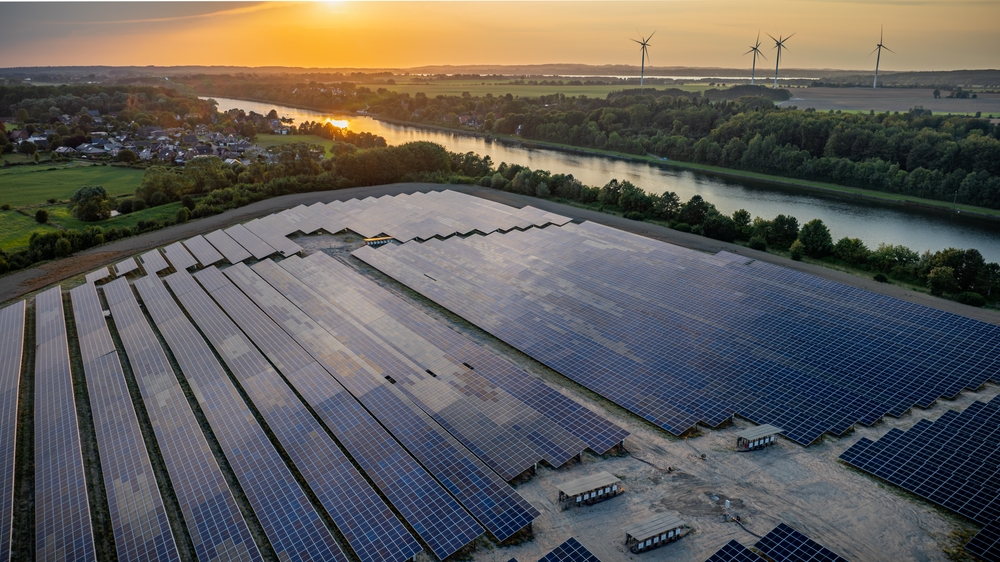
Energy storage has long been one of the biggest challenges in the quest for clean, renewable energy. While solar and wind power offer immense potential, their intermittent nature—dependent on sunlight and wind—poses a major hurdle. What happens when the sun sets, or the winds die down? Until recently, storing that energy for later use was an expensive and complex issue, often relying on materials like lithium or molten salt.
However, a recent breakthrough in Australia is offering a game-changing solution. Scientists there have developed a thermal energy storage system that uses an abundant and simple material—sand—to absorb and store solar heat for several days. This innovation could be the key to unlocking reliable, long-term storage of renewable energy, helping pave the way for a future where solar power is available even after the sun goes down.
The Problem with Traditional Energy Storage

For years, the energy industry has been relying on methods like lithium-ion batteries and pumped hydro storage to capture and hold renewable energy. While these solutions have been helpful, they come with limitations that can hinder their effectiveness on a large scale.
Lithium-ion batteries, the most common energy storage technology, are costly, rely on rare and often environmentally damaging materials like lithium and cobalt, and have a relatively short lifespan. Additionally, they can only store energy for a few hours, making them insufficient for long-term storage needs. This poses a significant problem, especially when trying to integrate renewable sources like solar and wind into a consistent and reliable energy grid.
Pumped hydro storage, another common method, relies on the geography of the land. Water is pumped to a higher elevation during periods of low demand and released to generate electricity when needed. While effective, it requires specific landscapes and significant infrastructure, limiting its application in many areas.
The challenge of storing energy when the sun isn’t shining or when the wind isn’t blowing is still one of the biggest barriers to widespread renewable energy adoption. Without an effective way to store energy for longer periods, renewable sources can’t be fully relied upon to meet our energy demands, especially during peak usage times or in areas where sunlight and wind availability are inconsistent.
What is Thermal Energy Storage (TES)?

Thermal energy storage (TES) is a promising alternative to traditional energy storage methods, designed to store excess energy in the form of heat. Instead of relying on chemical processes like in batteries, TES systems store energy by heating a material, which can later be used to generate electricity or provide heat for industrial processes.
One of the most common TES technologies involves molten salt, which can absorb and store heat at high temperatures. While effective, molten salt has its own set of challenges. It requires a high level of insulation, has limited temperature ranges, and can be costly to manage due to its melting point and material requirements.
This is where the innovation of using sand for TES changes the game. Sand, made primarily of silicon, is a simple, abundant, and environmentally friendly material that can absorb and retain heat much like molten salt, but without the same complexity. What makes sand an even more attractive option is its stability across a wide temperature range, its low cost, and its widespread availability. This could make TES systems more affordable and scalable, providing a long-term solution to energy storage that doesn’t rely on rare materials or complicated infrastructure.
With this approach, the energy stored in the form of heat can be released as needed, offering a reliable energy source even after the sun has set or during cloudy days. The breakthrough in using sand as a thermal storage medium has the potential to overcome the limitations of traditional TES systems, offering a more practical and sustainable way to store renewable energy.
Technology Behind the Sand Battery

At the core of this innovative energy storage solution is a simple yet highly effective process that uses the natural properties of sand to store heat. Unlike traditional batteries that rely on chemical reactions, the sand battery stores thermal energy by heating the sand itself, making it an incredibly efficient and sustainable option.
The system begins with solar power. During the day, when solar energy is abundant, excess electricity is used to heat the sand. A stream of hot air is blown through pipes, which then circulates through a steel container filled with sand. This air, heated by electric resistive heating—much like the technology used in electric heaters—raises the sand’s temperature to an impressive 500°C to 600°C.
Once heated, the sand’s thermal energy is stored within its granular structure. The container that holds the sand is insulated to prevent heat from escaping, allowing the stored energy to remain for several days, even during periods when the sun isn’t shining. This is where the magic happens—sand, being a naturally stable and abundant material, can store heat at a much higher temperature than conventional materials, making it an ideal candidate for long-duration energy storage.
When energy is needed, the stored heat is released by circulating air through the sand once more. The air absorbs the heat from the sand, and this hot air can then be directed to power homes, offices, or even industrial processes that require high temperatures. It’s a simple but efficient way to turn excess solar power into a reliable source of heat, available long after the sun has set.
What makes this system so remarkable is not just the technology itself, but the fact that it can be built using materials that are low-cost, locally sourced, and environmentally friendly. By using sand, this thermal storage system opens up new possibilities for energy storage that could help make renewable energy more reliable and accessible.
Advantages of Sand as a Storage Medium

The use of sand as a storage medium for thermal energy offers several compelling advantages, making it a standout choice in the field of energy storage technology. From its cost-effectiveness to its environmental benefits, sand proves to be an ideal candidate for long-term heat retention. Let’s explore why sand is so well-suited for this innovative energy solution.
1. Abundance and Low Cost
One of the most significant benefits of using sand is its widespread availability and low cost. Sand is one of the most abundant materials on Earth, found in deserts, riverbeds, and beaches worldwide. Unlike rare materials required for other types of energy storage, sand is inexpensive to obtain and can be sourced locally. This makes it a sustainable and economically viable option for large-scale energy storage systems, particularly in areas where the cost of importing more expensive materials could be a barrier to renewable energy adoption.
2. High Thermal Stability
Sand, particularly silica sand, has an exceptional ability to withstand high temperatures without degrading. This makes it highly effective for thermal energy storage. While other materials might break down or lose efficiency under extreme heat, sand can easily handle temperatures ranging from 500°C to over 1,000°C, depending on the type of sand used. This stability allows it to store heat for longer periods, ensuring that the energy remains available when needed, even if it’s stored for several days or weeks.
3. Environmentally Friendly
In addition to being abundant and cost-effective, sand is also environmentally friendly. Unlike chemical batteries, which can release harmful substances into the environment when disposed of, sand is non-toxic and non-corrosive. It does not pose any environmental hazards, making it a safer alternative to traditional energy storage materials. The use of sand in thermal storage systems contributes to reducing the carbon footprint of energy production and supports the transition to greener, more sustainable energy solutions.

4. No Need for Rare Earth Materials
Many modern energy storage systems, such as lithium-ion batteries, rely on rare earth materials, which can have significant environmental and ethical concerns surrounding their extraction. Sand, on the other hand, requires no such rare materials, reducing the environmental impact associated with sourcing these materials. This also makes the sand battery system less reliant on global supply chains that are often subject to geopolitical instability.
5. Scalability and Flexibility
The simplicity and accessibility of sand make it incredibly adaptable to different scales of energy storage. Whether for small residential units or large industrial applications, sand can be utilized to meet a variety of energy storage needs. The flexibility of the system allows it to be customized for different energy requirements, offering a versatile solution to store and distribute solar energy effectively.
6. Minimal Heat Loss
Due to its excellent thermal properties, sand minimizes heat loss during storage. The insulating properties of the storage container ensure that the heat remains trapped inside for extended periods, reducing the need for constant recharging. This characteristic makes sand an ideal material for long-duration energy storage, providing a reliable and efficient method to manage excess energy during off-peak times.
The Australian Company Behind the Innovation
The breakthrough in using sand for thermal energy storage was made possible by a research team in Australia. The project is led by a group of scientists at a research facility in Newcastle, New South Wales, who have dedicated years of research and development to this cutting-edge technology. This Australian team has managed to create a system that stores solar energy as heat in sand particles, offering a solution that is both scalable and cost-effective.
The team’s success was built on the concept of Concentrated Solar Thermal (CST) technology, which has been around for several decades. However, by using sand instead of molten salts or other materials, they’ve made significant improvements in both efficiency and cost. The team heated sand to temperatures exceeding 1,000°C, demonstrating that sand can store solar energy for days without degrading.
One of the key features of this technology is its ability to provide a reliable source of energy in areas that traditionally struggle with energy access, such as remote communities or regions with inconsistent sunlight. In these places, where connecting to the electrical grid can be challenging and expensive, this sand-based energy storage system could offer a more affordable and sustainable alternative.
The success of this research is especially significant in Australia, a country with vast solar resources but large swaths of land that aren’t easily connected to the national grid. By using sand as an energy storage medium, this breakthrough could help provide a more reliable source of renewable energy in these remote regions, reducing Australia’s dependence on fossil fuels and imported energy.
The Future of Clean Energy

The sand-based thermal energy storage system has the potential to transform the renewable energy sector by providing a reliable solution for storing solar energy. Unlike traditional methods, which store energy for just a few hours, this technology can store energy for days or even weeks, ensuring that solar power is available even after the sun has set or during cloudy days.
This capability could revolutionize energy grids, allowing for the widespread integration of solar power. Remote areas or regions with inconsistent sunlight could especially benefit, as they would no longer rely on fossil fuels or expensive infrastructure to store and use solar energy effectively.
While the technology shows immense promise, challenges remain in scaling it up. Researchers are focused on improving efficiency and optimizing the system for larger applications, which will require investment in infrastructure. Nevertheless, as the technology matures, it could become a key component in reducing carbon emissions and transitioning to a sustainable energy future.
With continued research and global collaboration, sand-based thermal energy storage could help solve one of the most significant barriers to renewable energy adoption, bringing us closer to a world where clean energy is reliable, affordable, and widely accessible.
The Promise of Sand: Redefining Energy Storage

The development of sand-based thermal energy storage marks a significant leap forward in the quest for sustainable, long-term energy solutions. By utilizing a simple, abundant material like sand, this innovative technology is proving that renewable energy storage doesn’t have to be complex or costly. The ability to store solar energy as heat for extended periods has the potential to revolutionize industries, households, and entire energy grids, offering a reliable and eco-friendly alternative to fossil fuels.
With its scalability, low cost, and minimal environmental impact, sand-based thermal energy storage could play a key role in the global transition to clean energy. As the technology matures and becomes more widely adopted, its applications will expand, offering new ways to harness the power of the sun for heating, industrial use, and grid stabilization. In the coming years, this system could help shape a more sustainable and resilient energy future, reducing reliance on fossil fuels and helping to mitigate climate change.
The future of energy storage is here, and it’s built on the foundation of sand.
