
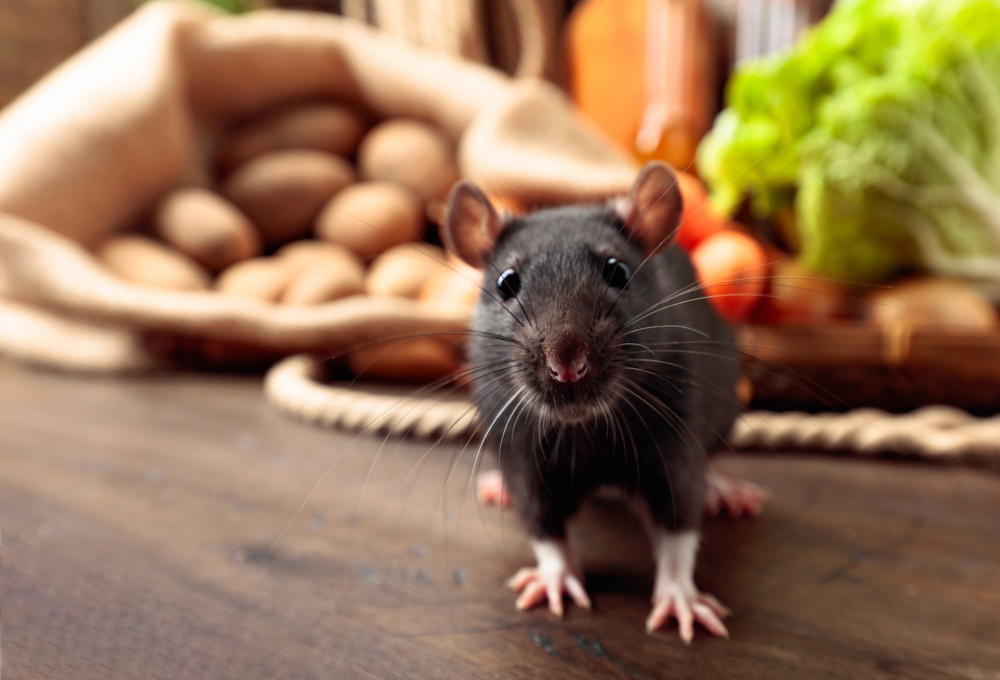
If you’re dealing with household pests like ants, flies, mosquitoes, or even rodents, your first instinct might be to reach for a chemical spray. But there’s a simple alternative that’s likely already in your kitchen: onions. Long used in traditional households for keeping pests away, onions are now gaining renewed attention—not just from home remedies, but from scientists studying their effects on insects and rodents.
The reason is surprisingly straightforward. Onions contain sulfur compounds that repel many pests by disrupting their ability to function normally. And it’s not just about the smell. These compounds have been shown to affect everything from insect metabolism to reproductive cycles. This article breaks down how onions work as a pest repellent, how to use them effectively, and what research says about their impact.
Why Onions Work: What the Science Actually Shows

Onions contain sulfur-based compounds that serve as a natural defense mechanism—not just for the plant, but for your home and garden too. When an onion is cut, crushed, or even left out in the open, it releases these volatile compounds into the air. The resulting odor may seem strong to us, but for many insects and rodents, it’s a signal to stay away.
Scientific studies have shown that sulfur compounds like thiosulfinates and sulfoxides can interfere with an insect’s energy production and nervous system. In simple terms, they disrupt how pests eat, move, and reproduce. When insects come into direct contact with onion extracts or ingest them, these compounds can impair vital functions and even lead to death.
Rodents, such as rats and mice, are also sensitive to the effects of sulfur. The smell of onions can irritate their eyes and mucous membranes. If ingested, onions can cause anemia in rodents by damaging red blood cells.
A notable lab study in Saudi Arabia tested a mixture of onion and garlic on red palm weevils—a serious pest for date palm trees. The results were significant: high mortality rates, reduced fertility, and suppression of key detoxification genes in the pests. These findings back up what many households have known for generations: onions aren’t just food—they’re a practical, science-supported way to keep unwanted pests in check.
Using Onions Indoors: Simple Methods That Make a Difference
You don’t need to turn your home into a lab to start using onions for pest control. There are several straightforward ways to apply this method using whole onions, slices, or even homemade sprays.
One of the easiest options is placing sliced onions in shallow bowls or containers and setting them near areas where pests tend to appear—think under the sink, along baseboards, or near food storage. The smell alone can deter ants, flies, and cockroaches. For rodents, place slices in cupboards or close to suspected entry points. Just remember to change the onions every couple of days to keep the odor effective.

To help keep mosquitoes away, some people hang halved onions near doorways and windows, similar to how flypaper is used. You can do this by threading a string through the center of the onion and hanging it up. Adding garlic to the same string increases the repelling effect due to its similar sulfur content.
In a pinch, onion slices can also be rubbed directly onto the skin to help repel mosquitoes, although the scent might not be for everyone. While not a substitute for dedicated repellents in high-risk areas, this method offers a short-term natural option that may help during outdoor activities.
These approaches don’t require much time or money, and they can be easily incorporated into your home routine with minimal effort.
Onions in the Garden: Natural Defense for Your Plants

In the garden, onions serve a dual purpose: they nourish the soil and act as a built-in pest deterrent. Their strong sulfur compounds don’t just stay above ground—their presence in the soil and air can help shield nearby plants from insects that rely on scent to find food.
One proven strategy is companion planting, where onions are grown alongside more vulnerable crops like carrots, tomatoes, lettuce, or roses. The sulfur compounds help confuse or repel pests such as aphids, carrot flies, and flea beetles. This method not only protects your garden but can reduce your need for chemical sprays.
For those not planting onions directly, there are easy alternatives. You can:

- Scatter onion peels at the base of plants to deter insects while enriching the soil with potassium, calcium, and magnesium as they break down.
- Make an onion spray by soaking chopped onions in water for several hours, straining the mixture, and applying it to plant leaves. This can help protect against soft-bodied insects like caterpillars and aphids.
In a controlled agricultural study, an onion-garlic solution was tested on red palm weevils and found to cause over 90% mortality in larvae and pupae within 24 hours—demonstrating how effective these compounds can be even on serious agricultural pests.
By using onions in your garden, you create a safer, more sustainable growing environment—without sacrificing plant health or relying on synthetic chemicals.
Practical Tips: How to Use Onions for Everyday Pest Control

You don’t need to overthink it—using onions to keep pests away is simple and adaptable to almost any setting. Here are a few practical ways to start:
- In the kitchen or pantry: Slice an onion and place it in small bowls near garbage bins, food storage areas, or anywhere pests tend to appear. This works well for ants, flies, and even mice. Replace the slices every two to three days to maintain their potency.
- Near windows or entry points: For flying insects like mosquitoes, cut an onion in half, thread a string through it, and hang it near a window or doorway. Add garlic to the same string for an even stronger deterrent effect.
- On your skin (temporarily): If you’re caught outside without repellent, rubbing a fresh onion slice on your arms or legs can help repel mosquitoes for a short time. It’s not long-lasting, but it may reduce bites in the moment.
- As a garden spray: Chop one or two onions, soak them in water for several hours, then strain and pour the liquid into a spray bottle. Use it on plant leaves to help deter aphids and beetles. Reapply every few days or after rain.
- With other natural remedies: Combine onion use with other safe pest control tools like vinegar traps, essential oils (peppermint, eucalyptus), or garlic for broader coverage and better results.
These methods don’t require special tools or advanced prep—just consistency. The goal isn’t to eliminate all pests overnight, but to create an environment that’s less appealing to them over time.
A Practical Shift Toward Safer Pest Control

Switching to natural pest control isn’t about rejecting science—it’s about using it more wisely. Onions, supported by both traditional knowledge and modern research, offer a safe and effective way to reduce everyday pest problems without relying on chemical sprays. The sulfur compounds they release aren’t just repellents—they interfere with how insects and rodents function at a biological level. Lab studies have confirmed their ability to reduce insect fertility, disrupt detoxification genes, and lead to high mortality in pests like red palm weevils.
At home, using onions doesn’t require special tools or complicated steps. Placing slices in high-risk areas or creating a simple garden spray can help create a less inviting environment for pests. For households concerned about chemical exposure—especially those with kids, pets, or sensitive individuals—onions offer a low-risk, low-cost first line of defense. When combined with other natural methods like garlic, vinegar, or essential oils, they become part of a more comprehensive, eco-conscious approach to pest management.
While onions won’t replace all forms of pest control, they’re an effective part of a broader toolkit. The goal isn’t to eliminate every pest instantly, but to reduce their presence in a way that’s safer for you, your home, and the environment. Taking small, consistent steps like these helps shift the balance away from overdependence on pesticides and toward smarter, more sustainable solutions. If you’re looking for where to start, this one’s simple: use what you already have—and let the results speak for themselves.
