
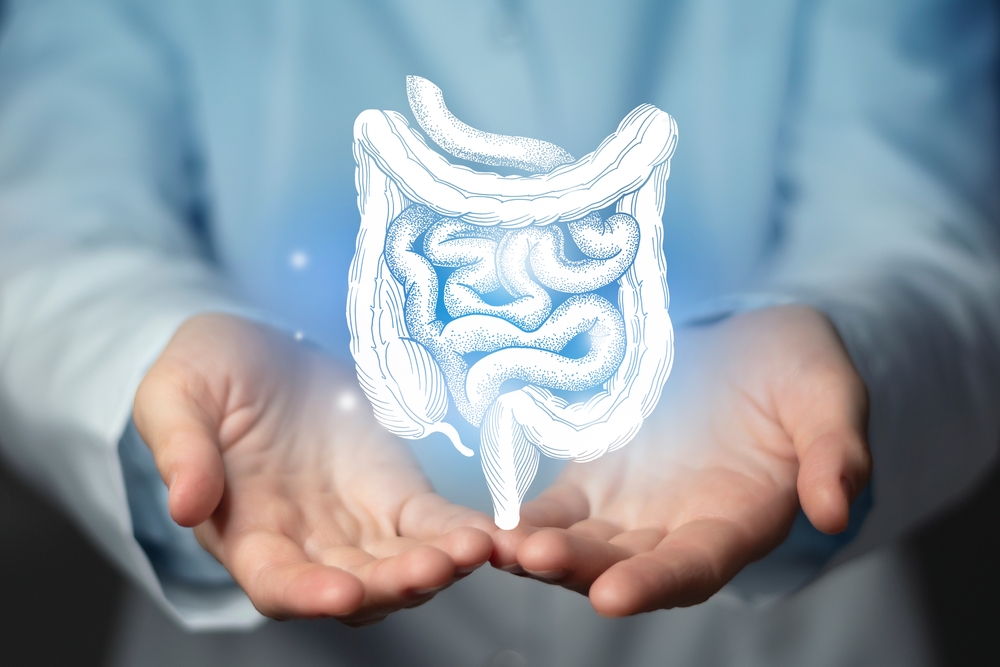
Imagine waking up one day with what feels like a minor digestive issue—something you’d brush off as a bad meal or stress. But weeks pass, symptoms persist, and by the time you seek medical help, the diagnosis is something you never expected: colon cancer. This isn’t just a hypothetical scenario—it’s a growing reality for thousands of people under 50, a group once considered low risk for the disease.
Colon cancer is now striking younger adults at an alarming rate. Over the past few decades, cases in people under 50 have surged by nearly 50%, leaving researchers scrambling to understand why. What’s even more concerning? Many of these cases aren’t caught until later stages when treatment is more challenging.
But there’s good news: prevention is possible. According to leading colon surgeons, one simple lifestyle change could significantly lower your risk. It’s not a gimmick, a fad, or an extreme measure—just a fundamental shift that could mean the difference between early detection and a life-threatening diagnosis.
The Growing Concern: Colon Cancer in Younger Adults

For years, colon cancer was considered a disease that primarily affected older adults, with routine screenings recommended for those over 50. It was rarely a concern for younger individuals, who were often told they had little to worry about when it came to colorectal health. But in recent decades, something alarming has happened—cases among younger adults have skyrocketed, disrupting long-held medical assumptions about who is at risk.
According to the American Cancer Society, colorectal cancer rates in people under 50 have increased by nearly 50% since the 1990s. Even more concerning is that many of these cases are being diagnosed at later stages, when treatment options are more limited and survival rates significantly drop. Unlike older adults who are typically screened for the disease, younger individuals often don’t undergo routine colonoscopies, allowing symptoms to go unnoticed or be mistaken for minor digestive issues. By the time they receive a diagnosis, the cancer has often progressed, making it more difficult to treat.
So why is this happening? Researchers believe a combination of lifestyle and environmental factors could be to blame. Modern diets, particularly those high in processed foods and low in fiber, along with sedentary lifestyles and rising obesity rates, are being closely examined as potential contributors. Some experts also suspect changes in gut microbiome health, increased exposure to harmful chemicals, and even genetic predispositions that might be triggering the disease earlier than before. The exact reasons are still under investigation, but one thing is clear—colon cancer is no longer just an “older person’s disease.”
This shift in demographics means that younger adults can no longer afford to overlook prevention. While research continues to uncover the root causes of this trend, medical experts agree that proactive steps—starting now—can significantly reduce the risk of colon cancer. And according to leading colon surgeons, there’s one key piece of advice that could make all the difference.
Surgeon’s Key Advice for Preventing Colon Cancer in Young Adults

With colon cancer rates rising among younger adults, early detection is more important than ever. Dr. Parul Shukla, a colon and rectal surgeon with Northwell Health, emphasizes that one of the most effective ways to reduce risk is through timely screenings and open discussions about family health history.
Dr. Shukla urges people to break the stigma around colonoscopies and share their results with relatives, explaining, “Please don’t be shy to discuss the findings of your colonoscopy with your children or with your siblings, because you might save a life.”
He highlights that screening should start earlier for those with a family history of colorectal cancer or precancerous polyps. “If my father had an advanced adenoma, I should know about it, because that would mean that I would need to be screened at least five or 10 years earlier than the screening age,” he said.
In addition to screening, lifestyle choices can influence colon cancer risk. While genetics play a role, factors such as diet, exercise, and avoiding excessive alcohol and tobacco use can help reduce the likelihood of developing the disease. However, Dr. Shukla’s main message remains clear: don’t delay screening if there is a family history.
“Please don’t be shy to let them know,” he reiterated. “If you don’t mind, tell them that this is what I have, and I think that’s going to impact on your age for screening.”
If you have concerns about your risk, talk to your doctor. Early detection saves lives.
How Lifestyle Choices Impact Colon Cancer Risk
While genetics can play a role in colon cancer, research suggests that lifestyle choices have a significant influence on risk. In fact, experts estimate that more than half of all colorectal cancer cases could be prevented through diet, exercise, and other healthy habits. Understanding these factors and making even small adjustments can go a long way in protecting your health.
Diet Matters More Than You Think
The modern diet, filled with processed foods, refined sugars, and red meat, has been linked to an increased risk of colon cancer. Studies show that people who consume high amounts of processed meats—such as bacon, sausages, and deli meats—have a higher likelihood of developing colorectal cancer. These foods contain preservatives and compounds that can damage the cells lining the colon over time.
On the other hand, fiber-rich foods—such as fruits, vegetables, whole grains, and legumes—help promote a healthy gut and regulate digestion. Fiber not only aids in waste elimination but also supports beneficial gut bacteria that may play a role in preventing cancerous cell growth. Experts recommend at least 25-30 grams of fiber per day to support colon health.
The Link Between Physical Activity and Colon Health
Regular exercise doesn’t just help with weight management—it directly lowers colon cancer risk. Physical activity helps reduce inflammation, supports immune function, and promotes healthy digestion by keeping things moving through the colon. Sedentary lifestyles, on the other hand, have been linked to a higher risk of colorectal cancer.
Even moderate exercise, such as brisk walking for 30 minutes a day, has been shown to have protective benefits. The key is consistency—regular movement helps regulate hormone levels, improve circulation, and reduce obesity-related risks, all of which contribute to a healthier colon.
Alcohol, Smoking, and Colon Cancer
Alcohol and tobacco use have both been identified as significant risk factors for colon cancer. Excessive alcohol consumption can lead to inflammation in the gut and changes in the colon lining that increase cancer risk. Similarly, smoking introduces harmful carcinogens into the body, which can contribute to DNA damage and tumor growth.
Medical experts recommend limiting alcohol intake and quitting smoking as two of the most effective ways to lower cancer risk. While occasional alcohol consumption may not pose a major threat, heavy drinking (more than two drinks per day for men and one for women) has been linked to a higher incidence of colorectal cancer.
Gut Health and Its Role in Cancer Prevention
Emerging research suggests that gut microbiome health—the balance of good and bad bacteria in the digestive system—plays a crucial role in colon cancer prevention. A diet high in probiotic-rich foods like yogurt, kefir, and fermented vegetables can help maintain a balanced gut environment. Avoiding excessive antibiotic use and consuming prebiotic foods like garlic, onions, and bananas can further support a healthy microbiome.
By making intentional lifestyle changes—eating a balanced diet, exercising regularly, and avoiding harmful substances—you can take significant steps toward reducing your risk of colon cancer. Prevention starts with small, manageable choices that add up over time, helping to protect your long-term health.
Signs and Symptoms to Watch For
Colon cancer is often called a “silent disease” because it can develop unnoticed for years. In its early stages, it may not cause obvious symptoms, which is why many cases go undiagnosed until the cancer has advanced. However, certain warning signs should not be ignored, as early detection significantly improves treatment outcomes.
Persistent Changes in Bowel Habits
One of the earliest signs is a noticeable shift in bowel movements that lasts more than a few days. This includes:
- Ongoing diarrhea or constipation
- A feeling of incomplete bowel movements
- Narrower-than-usual stools
While occasional digestive changes are normal, symptoms that persist or worsen over time should be taken seriously.
Unexplained Bleeding or Blood in the Stool
Blood in the stool is a major red flag and may appear as:
- Bright red streaks
- Dark brown spots
- Black, tarry stools (which may indicate internal bleeding)
Although it can sometimes be mistaken for hemorrhoids or dietary changes, any unexplained bleeding should be evaluated by a doctor.
Unexplained Weight Loss and Fatigue
Losing weight without changes in diet or activity can signal an underlying issue, as colon cancer can interfere with digestion and nutrient absorption. Additionally, chronic fatigue and weakness may develop due to slow internal bleeding, leading to anemia. Symptoms include:
- Pale skin
- Dizziness
- Shortness of breath
- Persistent exhaustion, even after adequate rest
Ongoing Abdominal Discomfort
Frequent abdominal pain, cramping, bloating, or a lasting feeling of fullness—even after small meals—can indicate colon cancer, especially when there is no clear cause.
While these symptoms can overlap with other digestive conditions like irritable bowel syndrome or food intolerances, the key concern is persistence. If any of these warning signs last for more than a few weeks, seek medical attention. Early detection can make all the difference.
How to Incorporate Preventive Measures Into Your Life

Preventing colon cancer doesn’t require drastic changes, but it does call for consistency in everyday habits. Small, mindful decisions about diet, physical activity, and regular screenings can make a significant impact over time. The key is to start early and stay proactive.
A diet rich in fiber is one of the best ways to support colon health. Incorporating more fruits, vegetables, whole grains, and legumes into daily meals helps regulate digestion and supports a healthy gut microbiome. At the same time, limiting processed foods, red meat, and excessive sugar intake can reduce inflammation and lower cancer risk. Hydration also plays a role—drinking plenty of water keeps the digestive system functioning smoothly and helps prevent constipation, which can contribute to colon issues over time.
Regular physical activity is another powerful tool in prevention. Exercise improves digestion, reduces inflammation, and helps maintain a healthy weight—all factors that lower colon cancer risk. Whether it’s brisk walking, yoga, strength training, or sports, staying active for at least 30 minutes most days of the week can have lasting benefits. Even simple habits like taking the stairs instead of the elevator or going for short walks after meals can contribute to a healthier colon.
Beyond lifestyle changes, being proactive about medical checkups is essential. Colon cancer is highly treatable when caught early, making screenings a critical part of prevention. While routine colonoscopies are generally recommended for adults over 45, younger individuals experiencing persistent symptoms should not hesitate to consult a doctor. Stool-based tests and other screening options are available for those who may not yet meet the standard age guidelines but have risk factors such as family history, lifestyle concerns, or ongoing digestive symptoms.
