
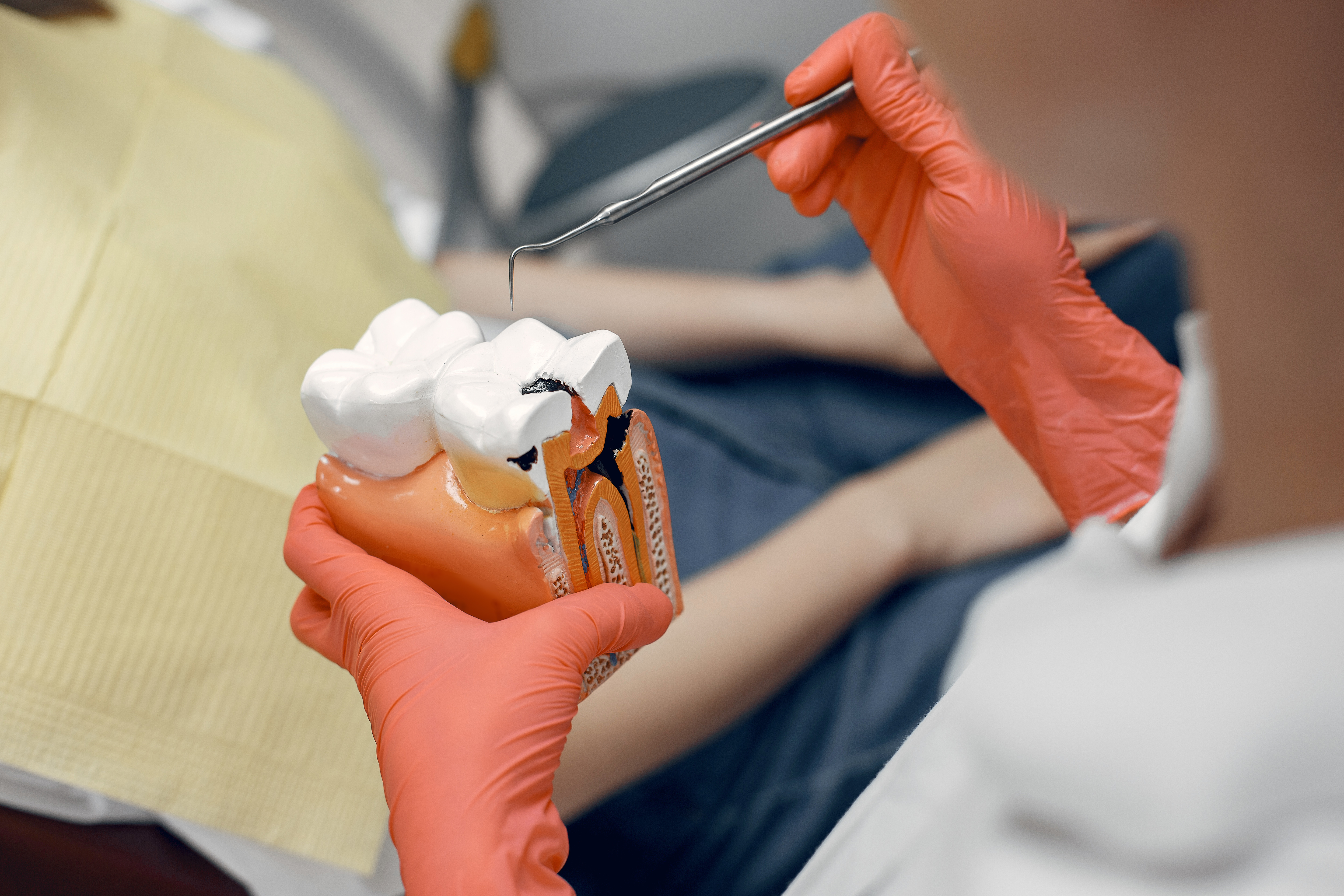
In a groundbreaking development for dental medicine, Japanese researchers are about to begin the world’s first human trial of a drug designed to regenerate teeth. This pioneering treatment offers hope for millions of people who suffer from tooth loss, a condition that can severely impact daily life. For those who have lost their teeth due to congenital conditions, injury, or decay, the future may hold more than just dentures or implants. In fact, scientists are now working on a drug that could one day enable the regrowth of human teeth—something once thought impossible.
This trial is not just another step in dental technology—it’s a potential game-changer that could redefine how we approach tooth loss. Set to begin in 2024, the trial is part of ongoing efforts by a team led by Dr. Katsu Takahashi, a renowned expert in oral surgery at the Medical Research Institute Kitano Hospital in Osaka. If successful, this research could bring the world closer to seeing tooth regeneration as a real, viable option by 2030.
What makes this so exciting is that it’s not just about replacing teeth with artificial solutions. The focus is on helping the body grow new teeth naturally, potentially transforming dental care for good.
The Problem of Tooth Loss

Tooth loss is more than just an aesthetic concern; it affects millions of people worldwide and can have a profound impact on daily life. Whether it’s due to injury, decay, disease, or congenital conditions, losing teeth can make simple tasks like chewing, speaking, and swallowing much more challenging. In fact, over 90% of people aged 75 and older in Japan have at least one missing tooth, highlighting the widespread nature of this issue.
For many, dentures and implants are the go-to solutions for replacing lost teeth. While these options provide functional solutions, they come with their own set of challenges. Dentures, for example, can be uncomfortable and may need to be adjusted over time. Implants, while more permanent, require invasive surgery and are not always a viable option for those with poor oral health or insufficient bone density.
For those with congenital conditions like anodontia—a condition where people are born without some or all of their permanent teeth—these solutions don’t even apply. Instead, they often have to live with the visible effects of missing teeth, sometimes wearing masks to hide the gaps and struggling with basic functions like eating and speaking. This is where the potential of a tooth-regenerating drug could be a game-changer. By offering a way to regrow teeth naturally, the drug could drastically improve the quality of life for those suffering from tooth loss, providing a permanent, more natural solution without the need for invasive procedures.
Japan’s Breakthrough in Tooth Regeneration

At the heart of this groundbreaking research is Dr. Katsu Takahashi, the head of dentistry and oral surgery at the Medical Research Institute Kitano Hospital in Osaka, Japan. Takahashi and his team have been working tirelessly to develop a drug that can regenerate human teeth—a dream long held by the dental community.
The key to this pioneering treatment lies in a protein called USAG-1, which plays a crucial role in regulating tooth development. While humans are only known to grow two sets of teeth—the baby teeth and the permanent adult teeth—research has shown that we actually have the genetic potential to grow a third set, hidden deep beneath our gums. This third set of teeth remains dormant throughout our lives, but Takahashi’s team has discovered a way to awaken these latent tooth buds.
The breakthrough comes from their development of a drug that neutralizes the USAG-1 protein. In animal studies involving mice and ferrets, blocking this protein led to the growth of additional teeth. The researchers’ work with ferrets, in particular, provided a crucial piece of evidence: when treated with the drug, these animals grew a new set of teeth that were functionally similar to their natural ones.
This approach marks a departure from traditional dental treatments and offers a potentially revolutionary solution to tooth loss. Takahashi’s team has already published their findings in scientific journals, sparking widespread interest and excitement in the field of dentistry.
Now, with clinical trials set to begin in 2024, the focus is on determining whether this treatment can safely and effectively regenerate teeth in humans. If successful, it could be the first drug of its kind to move from animal trials to human application, making it one of the most significant advances in dental medicine in decades.
What to Expect With the Clinical Trial

The human trial, set to begin in September 2024 at Kyoto University Hospital, represents a significant milestone in developing this innovative drug. The trial will involve 30 men aged 30 to 64 missing at least one molar. Participants will receive the drug intravenously, allowing researchers to assess its effectiveness in regenerating a new tooth to replace the missing one.
This first phase will continue until August 2025, with the primary goal of determining whether the treatment is safe and effective for human use. If successful, this drug could provide a permanent, natural solution to tooth loss for millions of people around the world. Takahashi pointed out, “While there has been no treatment to date providing a permanent cure, we feel that people’s expectations for tooth growth are high.” Indeed, many people have long hoped for the potential for a permanent solution to tooth loss.
Following the initial human trial, researchers will expand their study to include younger patients. The second phase will focus on children aged 2 to 7 with congenital tooth deficiencies. This condition affects approximately 1% of the population, resulting in missing teeth from birth. Since this drug has the potential to regenerate teeth in individuals with congenital conditions, it could offer a groundbreaking treatment for these patients as well.
While the trial’s primary goal is to confirm that the drug is safe for use in humans, there is hope that it could also lead to the development of a more permanent solution for those with acquired tooth loss. If successful, this drug could not only help children with congenital tooth loss but also offer new possibilities for adults who have lost teeth due to injury or decay.
Researchers have emphasized that while the goal of regenerating teeth may not be reached immediately, the trial’s results could lay the groundwork for future studies and eventually lead to a treatment that can be made available to a wider population. With the expectation that the drug could be widely accessible by 2030, this clinical trial could pave the way for a new era in dental care, where tooth regeneration becomes a viable alternative to dentures and implants.
Potential Benefits for Dentistry and Health

The tooth-regenerating drug currently being tested in human trials has the potential to revolutionize dentistry and oral healthcare. It could provide significant advantages for patients and healthcare systems alike.
- A permanent solution to tooth loss: Today, individuals who lose teeth due to injury, decay, or disease often rely on dentures and dental implants. These solutions require ongoing maintenance and may need replacing. The new drug offers the possibility of regenerating teeth naturally, eliminating the need for artificial replacements and providing a lasting solution to tooth loss.
- Lower healthcare costs: Dental implants and dentures can be costly, requiring replacements and maintenance over time. If this drug proves effective, fewer patients will need implants or dentures, ultimately reducing personal expenses and healthcare system costs. A natural solution for tooth loss could make dental care more affordable and accessible.
- Improved quality of life for patients: Missing teeth can impact a person’s ability to eat, speak, and affect their self-esteem. Current solutions like dentures and implants do not offer the same comfort as natural teeth. By regenerating teeth with this drug, we can restore full functionality, enhancing patients’ daily lives and emotional well-being.
- A game-changer for oral healthcare: This drug could change the landscape of oral healthcare by shifting the focus from replacing missing teeth with artificial solutions to regenerating natural teeth. It would represent a significant advancement, reducing reliance on implants and dentures while providing a more effective and permanent treatment for tooth loss.
- Promoting a more sustainable approach to oral health: Tooth regeneration could lessen the need for artificial dental products, reduce waste, and lower environmental impact.
This development represents a major breakthrough in regenerative medicine, offering hope for a future where tooth loss no longer means permanent reliance on artificial replacements.
The Journey of Tooth Regeneration
The concept of tooth regeneration isn’t entirely new, but recent breakthroughs have made it a more viable option thanks to years of research. The journey began in 2005 when Katsu Takahashi started exploring the potential for tooth regeneration. His team’s research revealed that specific proteins, such as BMP and Wnt, play a crucial role in tooth development.
However, using these proteins therapeutically presented a challenge. Directly targeting BMP and Wnt could lead to significant side effects since these molecules also regulate the growth of other essential organs and tissues. To address this issue, Takahashi and his team proposed that focusing on proteins that antagonize BMP and Wnt might be a safer approach to promote tooth growth without impacting the rest of the body.
“We knew that suppressing USAG-1 benefits tooth growth. What we did not know was whether it would be enough,” Takahashi explained. By targeting the USAG-1 protein, the researchers discovered a way to activate the BMP signaling pathway, which resulted in the growth of new teeth in animal models.
The potential impact of this drug is significant. If the trials prove successful, tooth regeneration could soon become a routine aspect of dental care. This advancement could significantly improve the quality of life for individuals suffering from tooth loss and transform the entire landscape of oral healthcare.
As Takahashi has noted, “Ferrets are diphyodont animals with similar dental patterns to humans. Our next plan is to test the antibodies on other animals such as pigs and dogs.”
The results from these animal studies have been promising, and as the research progresses, it is clear that the possibilities for regenerative dentistry are expanding rapidly.
Additionally, this drug underscores the potential for other regenerative therapies in the future. If we can regenerate teeth using molecular therapies, why not apply similar approaches to different body parts? The success of this drug could pave the way for advancements in growing other tissues and organs, opening new frontiers in medicine.
What Experts Say About Regrowing Teeth

As with any groundbreaking scientific development, experts are both excited and cautious about the potential of the tooth-regenerating drug. According to Angray Kang, a dentistry professor at Queen Mary University of London, this research is “worth pursuing,” especially given the progress made so far. Kang noted that Takahashi’s team is at the forefront of this field, calling their work “exciting.”
Chengfei Zhang, a clinical professor in endodontics at the University of Hong Kong, also expressed optimism about the potential of the drug but raised an important point: “Outcomes observed in animals do not always directly translate to humans.” This caution highlights the challenges researchers face when moving from animal trials to human applications. While the results in mice and ferrets have been promising, Zhang emphasizes that further testing is needed to confirm whether the same success will be seen in humans.
The experts agree, however, that this research is a step forward in dental medicine. Takahashi’s work is paving the way for a new era where tooth regeneration could become a reality, not just for children with congenital tooth loss but also for adults who face tooth loss due to injury or disease. The excitement around this research is palpable, but, as Kang points out, the journey from the lab to real-world application will take time. “This is only the beginning,” he said, underscoring the long road ahead to bringing this technology to the public.
Despite the challenges, the potential for a drug that could regenerate teeth is undeniable. With continued progress and the right clinical results, this breakthrough could soon revolutionize the way we think about dental care.
The Dawn of a Dental Revolution

The development of a drug that could regenerate human teeth is one of the most exciting breakthroughs in dental science in recent years. While challenges remain, the progress made by Dr. Katsu Takahashi and his team marks a significant step toward changing the way we approach tooth loss. If the human trials prove successful, we could soon see a future where regrowing teeth becomes a real alternative to dentures and implants.
For those affected by congenital conditions like anodontia, this drug holds the potential to restore not only their teeth but also their confidence and quality of life. The possibilities for adults with tooth loss are equally promising, offering a more natural, permanent solution to a problem that affects millions of people worldwide.
As the trial moves forward, the excitement around this research will continue to grow. While there’s still much work to be done, the progress made so far is a testament to the power of innovation in medicine. In the coming years, we may witness a revolution in dental care that could make the regrowth of teeth a reality for millions of people around the world.
Sources:
- Murashima-Suginami, A., Kiso, H., Tokita, Y., Mihara, E., Nambu, Y., Uozumi, R., Tabata, Y., Bessho, K., Takagi, J., Sugai, M., & Takahashi, K. (2021). Anti–USAG-1 therapy for tooth regeneration through enhanced BMP signaling. Science Advances, 7(7). https://doi.org/10.1126/sciadv.abf1798
- Liu, C., Guo, H., Shi, C., & Sun, H. (2023). BMP signaling in the development and regeneration of tooth roots: from mechanisms to applications. Frontiers in Cell and Developmental Biology, 11. https://doi.org/10.3389/fcell.2023.1272201
