
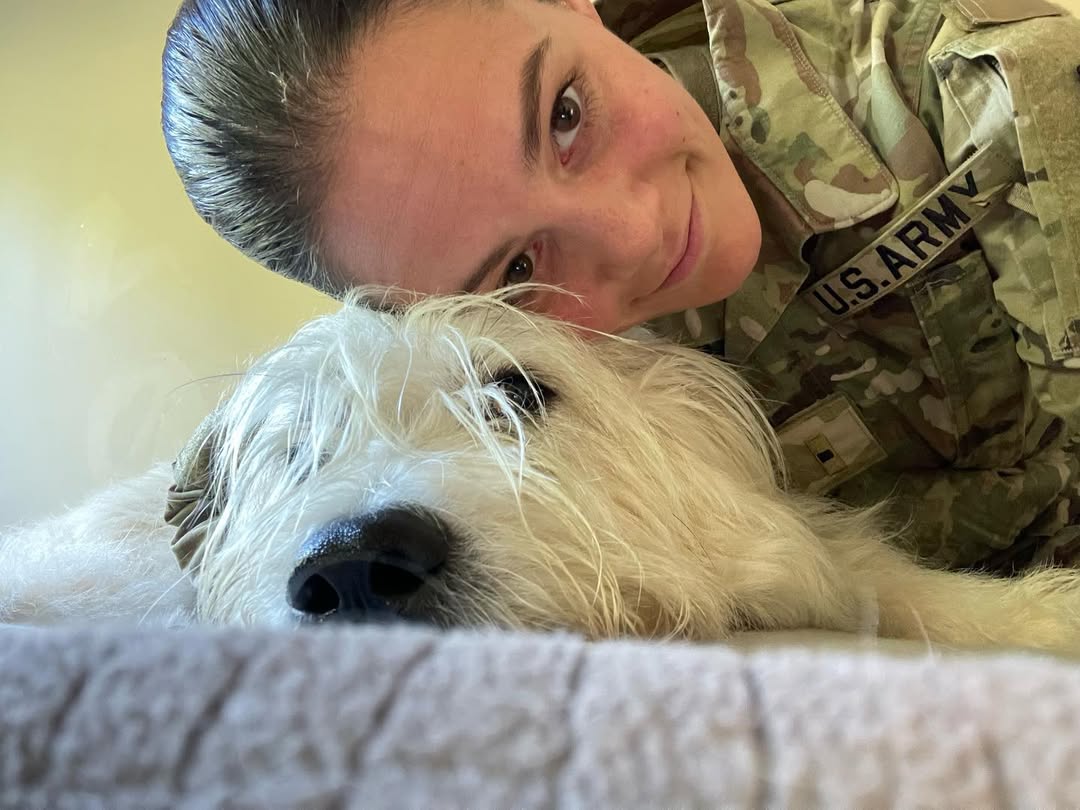
Ashley Piccirilli’s life changed in an instant one summer day in Massachusetts. Just a week into a new construction job, she was working 13 feet deep in a trench when the side wall suddenly collapsed, burying her under several feet of dirt. Trapped and unable to move, Ashley faced what many would consider a fatal situation. But amid the overwhelming pressure and limited air, she stayed calm and focused on taking small, controlled breaths.
This calm response, she says, was the single most important factor that kept her alive during those harrowing 30 minutes. Rescue crews worked quickly to free her, and medical teams were ready when she arrived at the hospital. Her story is a clear example of how mental control in a crisis can make the difference between life and death.
The Lifesaving Power of a Calm Mind
In extreme emergencies, the body’s natural reaction is often panic. But for Ashley Piccirilli, panic would have likely been fatal. In 2021, just a week into her construction job in Northampton, Massachusetts, Ashley was buried alive under six feet of dirt when a trench suddenly collapsed. Trapped, unable to move, and with a collapsed lung she didn’t yet know about, Ashley’s ability to stay calm became her most critical survival tool.
“I never thought I would die,” she told People. “They know where I am, they’re gonna come get me.” That belief, however simplistic it might seem in hindsight, helped her manage her breathing and avoid full respiratory failure. With broken ribs and a crushed chest, deep breathing wasn’t even an option. But by keeping her breath shallow and steady, she didn’t trigger the full-blown panic response that often accelerates oxygen demand and exhausts the body.
Dr. Kramer, a surgeon who treated Ashley, noted that her calm mindset—and later, her positive outlook—played a meaningful role in both her survival and recovery. While the physical damage was extensive—requiring surgical reconstruction of her sternum and diaphragm, removal of her spleen, and repairs to a major artery—Ashley’s mental state gave her an edge many in similar situations don’t have.
The takeaway here isn’t just anecdotal. Research supports that people who remain calm under life-threatening stress are more likely to survive. It’s not about bravery; it’s about regulating the nervous system under pressure. In Ashley’s case, her military background likely played a part, having conditioned her to stay composed during high-stakes situations. For most of us, it’s a skill that can be developed through techniques like breath control, mindfulness, and exposure to controlled stress training.
The Brutal Injuries She Endured

Ashley Piccirilli’s survival story isn’t just about mental resilience—it’s a case study in how the human body can sustain and recover from extreme trauma. When the trench collapsed, she was buried under six feet of soil, compressed in a tight, air-starved space. She couldn’t move, couldn’t breathe deeply, and didn’t realize that her injuries were already stacking up while she fought to stay conscious.
Once rescued, Ashley was rushed to the hospital, where doctors found severe internal damage. Her injuries included:
- A collapsed lung
- All ribs broken on her left side
- One rib broken on her right side
- A fractured clavicle
- A torn major artery
- A lacerated liver, with 15–20% removed
- A ruptured spleen, which had to be fully removed
In addition, her diaphragm and sternum had to be surgically reconstructed—an invasive procedure that underscores the crushing force her body endured. Recovery didn’t stop at surgery. Ashley spent about 30 days in the hospital and faced a year-long rehabilitation process. This involved physical therapy, respiratory support, and ongoing pain management.
Her case highlights what medical teams already know: crushing injuries can lead to complex, multi-system trauma. A major concern in cases like hers is “crush syndrome,” where muscle tissue is compressed for prolonged periods and then releases toxins into the bloodstream once circulation is restored. While Ashley didn’t experience full crush syndrome, the risk was very real given the severity and duration of her entrapment.
Medical professionals often have a narrow window to intervene after this type of trauma. Rapid stabilization—including chest tubes to relieve pressure from a collapsed lung and surgical repair of internal bleeding—is critical. Ashley’s survival wasn’t just luck; it was a combination of fast emergency response, skilled trauma care, and her own mental control, which prevented further physiological stress before help arrived.
Military Mindset: How Training Saved Her Life
One of the most striking parts of Ashley Piccirilli’s account is how she attributed her survival, in part, to her military background. “I attribute staying calm because of my training,” she said. This isn’t just anecdotal. There’s growing evidence that people who undergo structured high-stress training—like military personnel, first responders, and even certain athletes—are more likely to respond constructively in emergencies.
These individuals are often trained to override the body’s instinctive panic response. Instead of hyperventilating, freezing, or making impulsive decisions, they’re conditioned to assess, conserve energy, and act with purpose. This kind of cognitive conditioning affects how the brain handles stress, keeping the nervous system from going into overdrive. In Ashley’s case, that meant taking tiny, controlled breaths and trusting that rescue was on the way, rather than wasting oxygen and energy trying to escape.
Research from institutions like the National Center for PTSD and the U.S. Army’s Comprehensive Soldier Fitness program has shown that people exposed to resilience training not only perform better under acute stress, but also recover faster in the aftermath. This training can include breathwork, scenario planning, and stress inoculation—gradually exposing individuals to pressure so they learn how to manage it.
How She Rebuilt Her Body After Trauma
After emergency surgery and stabilization, Ashley’s recovery began in the Intensive Care Unit (ICU), where she remained for about a week. With a breathing tube in place, she communicated through writing while the medical team closely monitored her condition. The injuries were severe, and rebuilding strength was a slow, demanding process.
Following the ICU stay, Ashley moved to a step-down unit designed for trauma and surgical patients. There, physical and occupational therapists helped her regain mobility and build cardiovascular endurance. Simple tasks like walking short distances required intense effort. Ashley recalls that even walking a few doors down the hospital hallway was exhausting at first.
Her determination played a major role. Nurses motivated her daily by tracking her progress in laps—each 10 laps equal to a mile—and celebrated milestones as she increased her walking distance. Ashley eventually worked up to walking two miles in the morning and again in the evening, which supported lung function and overall recovery.
After a month in the hospital, Ashley was discharged directly to her home. She continued recovery with the help of visiting nurses and occupational therapy, managing wound care and regaining independence. Despite the physical challenges, Ashley remained focused on regaining her full strength, setting goals that included returning to flight school and active duty.
Practical Tools to Stay Calm Under Pressure

You don’t need military training to develop the mental control that helped Ashley Piccirilli survive. While her background gave her an advantage, many effective strategies are accessible to anyone and can be practiced ahead of time.
Here are evidence-based techniques to manage acute stress:
1. Box Breathing
This method, used by first responders, involves inhaling for 4 seconds, holding for 4, exhaling for 4, and holding again for 4. Doing this for just a minute helps regulate your nervous system and improves oxygen flow. It can prevent panic and help you think clearly in a crisis.
2. Grounding with the 5-4-3-2-1 Technique
Focus your attention on your surroundings by naming:
- 5 things you see
- 4 things you can touch
- 3 things you hear
- 2 things you smell
- 1 thing you taste
This quickly brings you back to the present and reduces anxiety.
3. Mental Rehearsal

Professionals like pilots and firefighters use visualization to prepare for emergencies. Mentally walking through scenarios—how to exit a building or call for help—can make your response more automatic under stress.
4. Basic Physical Fitness
Good overall fitness supports endurance and recovery in many emergencies. Strength, flexibility, and cardiovascular health help reduce risks and improve your ability to handle physical challenges.
5. Stay Informed, Avoid Panic
Understanding real emergency procedures and basic first aid can reduce fear. Know how to use emergency features on your phone and whom to contact. Clear information helps prevent panic that often comes from uncertainty.
These tools are widely used and backed by research in psychology and emergency medicine. You don’t have to master them all—regular practice of even one can improve how you handle stressful situations.
Survival Isn’t Luck—It’s a Skill
Ashley Piccirilli’s story isn’t just a dramatic survival account—it’s a reminder that how we respond in a crisis often comes down to what we’ve practiced long before anything goes wrong. Her ability to stay calm under extreme physical trauma helped her conserve oxygen, avoid panic, and survive injuries that could have been fatal. It wasn’t luck. It was mental conditioning, situational awareness, and a refusal to give in to fear.
Most people won’t face a trench collapse, but stress and emergencies come in many forms—car accidents, natural disasters, sudden health scares. How you prepare matters. Practicing calm under pressure, learning basic coping strategies, and staying physically and mentally prepared can increase your odds of making it through—and recovering after.
The message here is clear: survival isn’t just about brute strength or quick reflexes. It’s about mindset, and that’s something you can start working on today. Learn how to breathe under pressure. Run mental drills. Understand how your body reacts to fear. You don’t have to be in the military or a first responder to think like one when it counts.
Featured Image Source: Ashley Piccirilli on Instagram
