
Have you ever heard of someone turning a quirky idea into a six‑figure income, only to have their own body force them to quit? This is the true story of a reality TV star whose unusual side hustle captured global attention, drew in loyal buyers, and ultimately sent her rushing to the hospital. What started as a playful experiment quickly became a lesson in how far the human body can be pushed for viral fame.
From Reality TV Fame to Flatulence Fashion
Stephanie Matto, a Connecticut-based reality TV star known from 90 Day Fiancé, found an unusual way to turn fame into fortune: selling jars of her own farts online. The venture began in late 2021 when a fan on the adult content site requested a jar of her gas. Soon, orders began arriving from around the world. Matto charged $1,000 per jar and later offered holiday discounts, ultimately earning over $200,000 in a few weeks.
At the height of her business, she was producing 97 jars in only two days, carefully sealing and shipping them to buyers. Her enterprise sparked a global conversation about the extremes of online influencer culture. Fans were amused by her ability to monetize bodily functions, while critics debated the ethics and practicality of her approach.
The High-Gas Diet Behind the Business
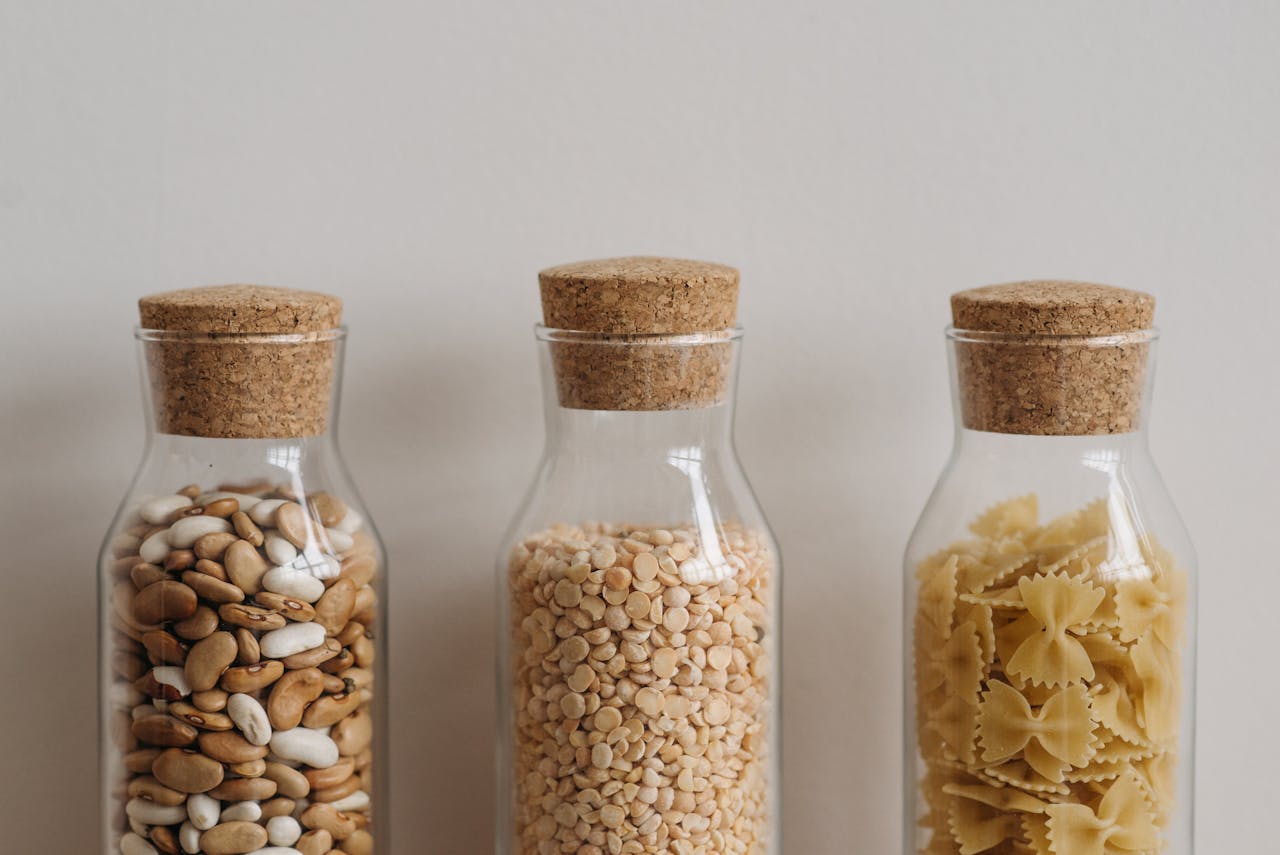
To meet the increasing demand, Matto adopted a high-gas diet to maximize output. Her meals were packed with black beans, protein shakes, yogurt, hard-boiled eggs, and muffins. In a video interview featured on YouTube, she said, “I found that cabbage was producing the absolute nastiest farts… it was not just on brand for me, so I was testing out different formulas and I really liked what I was getting with protein and beans.” She explained that beans and eggs were her go-to ingredients and that she would pass the time reading while waiting for her digestive system to produce gas.
She later added that protein shakes intensified the odor for her customers. Although the diet fueled her profits, it placed significant strain on her digestive system. Repeated consumption of gas-producing foods and excessive protein supplements pushed her body to uncomfortable limits.
Within two months, Matto’s extreme dietary routine created alarming health problems that escalated quickly. One evening, she felt an unusual heaviness and swelling in her abdomen, followed by sharp pressure in her chest and a pinching sensation near her heart. Breathing became difficult and each inhale triggered discomfort, leaving her anxious that she was experiencing a heart attack. She sought emergency medical attention, arriving at the hospital with classic cardiac scare symptoms. Doctors conducted tests to rule out heart disease and confirmed that her pain and breathing difficulty were caused by severe gas retention linked to her high-protein, high-bean diet.
This type of bloating occurs when excessive gas becomes trapped in the digestive tract, pressing upward against the diaphragm and chest wall. For some individuals, the sensation can mimic life-threatening cardiac events, triggering panic and urgent medical visits. In Matto’s case, the constant consumption of beans, dairy, and protein shakes had overtaxed her digestive system. This frightening episode not only forced her to take prescribed gas-relief medication and adjust her diet, but also convinced her to close the fart jar business entirely. The health scare served as a wake-up call, prompting her to rethink how she approached monetizing her viral fame without putting her body at risk.
Reinvention Through Boob Sweat Jars and NFTs
After her hospital scare, Matto was determined to maintain her entrepreneurial momentum without endangering her health. She reinvented her business by launching an unusual but less risky product: jars of her own boob sweat. Each jar sold for around $500 and appealed to the same curious and loyal fan base that had purchased her fart jars. This product required no extreme diets or supplements, allowing her to profit without straining her digestive system.
She also leaned into digital innovation by creating a Fart Jar NFT collection. NFTs, or non-fungible tokens, allow buyers to own a digital certificate representing a unique item. Matto offered digital fart jar NFTs that some customers could redeem for physical jars. Her marketing tagline, “Be part of history with the first ever generative Fart Jar NFT collection. Imagine the smell!” captured attention online and demonstrated her ability to convert viral notoriety into ongoing revenue.
On her website, she detailed that the NFTs would have four playful use cases for collectors:
- Access to Steph (for pleasure or business): Token holders are given access to a private Discord channel with her. Fans could chat in a more intimate setting or ask questions about becoming a “Fartrepreneur.”
- Zoom meetings with Steph: The collector holding the most Fart Jar NFTs one week after launch earns a 30‑minute Zoom call with her. The second and third highest collectors get 15‑minute calls.
- Mentor program: Token holders gain entry to a private group where she mentors fans on building a brand, becoming a content creator, and launching their own quirky business ventures.
- Profile picture and community: The NFT artwork can be used as a profile picture, signaling membership in what she called the “most explosive community” in the NFT space.
These offerings transformed her NFT project into more than a novelty collectible; it also served as an online club for her followers, blending influencer culture with digital entrepreneurship.
This reinvention highlighted her adaptability. By shifting from physically taxing stunts to virtual collectibles and sweat jars, she minimized health risks while keeping her brand in the spotlight. Her creative pivot also sparked discussions about how influencers can leverage internet fame in unconventional ways without jeopardizing their well-being.
Digestive Risks of Extreme Diet Choices
Matto’s story may be humorous, but it highlights genuine health risks when diets are manipulated for unusual purposes. Consuming large amounts of beans, eggs, dairy, and protein supplements over a short period forces the digestive system to produce excessive gas and puts strain on multiple organs. These risks go beyond temporary bloating and can lead to serious complications:
- Severe bloating and abdominal pressure can physically push against the diaphragm, making breathing shallow or difficult.
- Chest pain and anxiety or panic symptoms may occur when gas pressure mimics heart attack sensations, sometimes sending people to the emergency room.
- Gut microbiome disruption results from eating repetitive or unbalanced meals, limiting microbial diversity and affecting overall digestion.
- Dehydration and electrolyte imbalance can develop when high protein intake and salty foods are combined with insufficient water, straining the kidneys and digestive tract.
- Nutrient deficiencies arise when a diet is narrowed to specific gas‑producing foods at the expense of vitamins, minerals, and complex nutrients essential for long‑term health.
- Increased risk of reflux or indigestion occurs as excessive gas pressure pushes stomach contents upward, causing heartburn or discomfort.
Understanding these risks is important because unusual dietary fads and viral challenges often ignore the body’s need for balance and moderation. People attempting similar diets may not only experience temporary distress but can also create long‑term gut and metabolic imbalances.
How to Support Digestive Health Safely and Build Long-Term Gut Wellness
Matto’s experience provides a clear blueprint for how to avoid extreme digestive distress and nurture long-term gut health. If you want to prevent gas, bloating, and chest discomfort, or simply support a healthier digestive system, consider these evidence-based strategies:

- Listen to your body and respond to early warning signs. Discomfort, chest tightness, or shortness of breath can be mistaken for minor gas, but these sensations should always be taken seriously.
- Balance your meals by including fiber from fruits, vegetables, and whole grains, moderate amounts of protein, and healthy fats. Avoid relying on beans or protein powders as your main fuel source.
- Stay hydrated consistently. Adequate water intake ensures smooth digestion, softens stool, and reduces constipation that can trap gas.
- Include gut-friendly foods to nourish the microbiome. Fermented foods like yogurt, kefir, kimchi, and sauerkraut promote microbial diversity and better digestion.
- Incorporate soothing herbal supports such as peppermint tea, fennel seeds, chamomile, or ginger tea. These natural aids help reduce bloating and relax intestinal muscles.
- Move gently after meals with light walking or stretching to aid motility and help gas move through the intestines.
- Chew thoroughly and eat slowly to minimize swallowed air and improve digestion. Avoid drinking excessive carbonated beverages during meals.
- Track meals and symptoms using a simple food diary to identify personal trigger foods for gas or bloating.
- Use over-the-counter aids sparingly, such as simethicone or activated charcoal, as a short-term relief option. Focus on dietary and lifestyle corrections rather than daily medication.
- Seek medical advice for persistent issues or if symptoms mimic cardiac distress. Professional evaluation ensures safety and rules out underlying conditions.

A Viral Story with a Wellness Lesson
Stephanie Matto’s journey from reality TV fame to fart jars, a hospital scare, and finally NFTs is both amusing and instructive. Behind the humor lies a serious reminder that extreme behavior for profit can carry real health consequences. Supporting your gut with balanced meals, hydration, movement, and mindfulness will always be safer and more sustainable than any viral stunt.
