
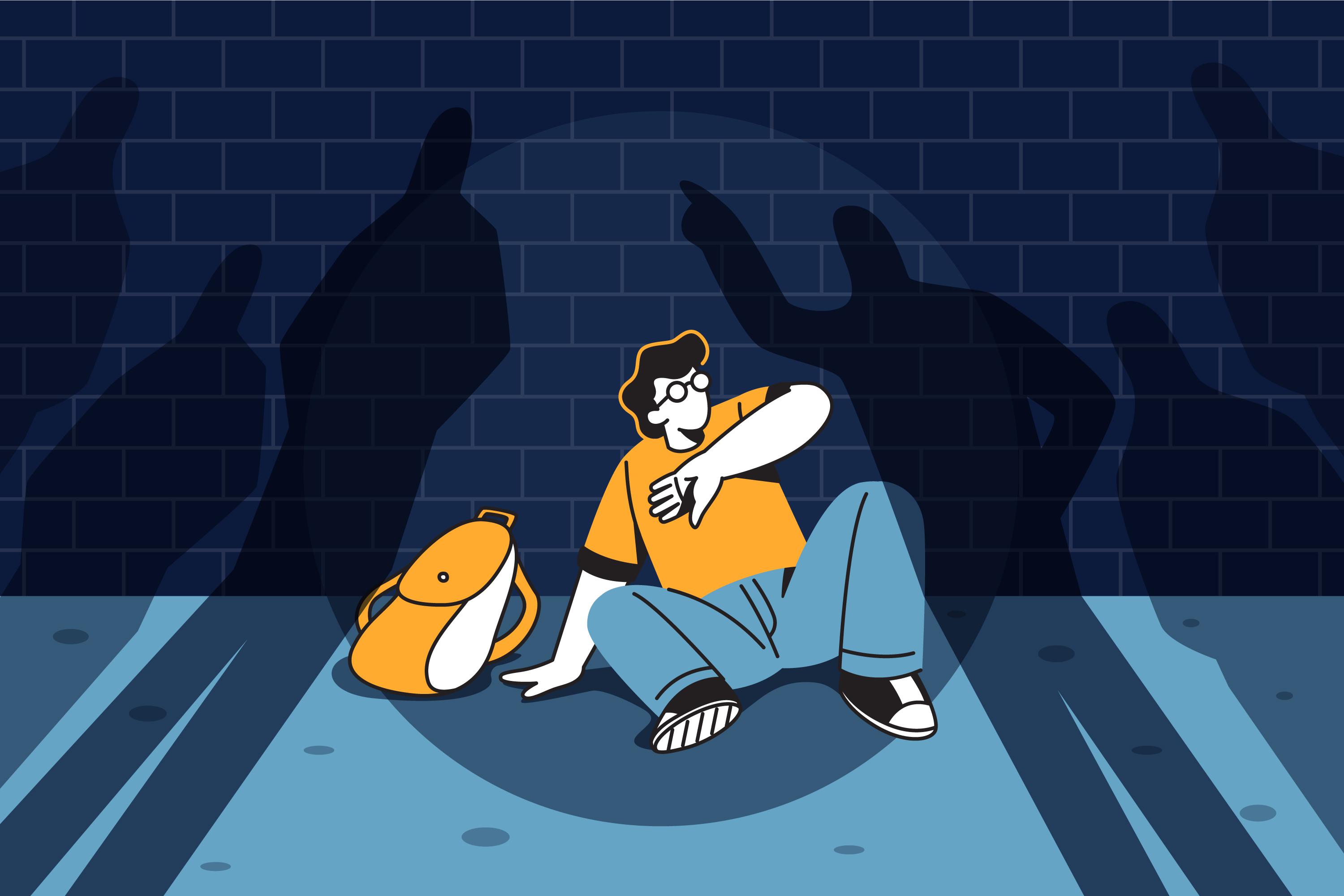
Ever notice how one person can walk into a room and be treated normally, while another seems to attract snide comments, “jokes” that sting, or constant nitpicking? That pattern isn’t always in someone’s head, and it’s not always about being “too sensitive.” Meanness often follows predictable dynamics, like power, insecurity, group roles, and how safe someone seems to push around. The good news is that once those dynamics are easier to spot, it becomes easier to respond without shrinking, over-explaining, or blaming yourself.
Reason 1: They Spot a Power Gap They Can Exploit

Mean behavior often isn’t random. Many bullies and chronically rude people choose situations where they have more leverage, even if it’s subtle. Developmental psychologist Sara Goldstein defines bullying as “mean-spirited, harmful behavior by someone with more power or status” repeated against someone with less power or status.
That “power” doesn’t have to be physical. It can be a boss who controls your schedule, a popular coworker who shapes group opinions, a friend who dominates social plans, or someone who knows you’re new and still trying to fit in. The common thread is simple: picking someone who has less influence, fewer allies, or more to lose if they push back.
This is why targets are often people who are isolated in a group (new employee, new student, new friend circle), people who rely on the relationship (a supervisor, a client, a key social connector), or people who are already being positioned as “the problem” when tension is high.
A useful reality check: bullying and harassment tend to repeat and escalate when there’s no cost to the aggressor. Many definitions of bullying emphasize repeated negative behavior, not a single bad moment.
Practical move for this pattern: reduce the power gap fast by looping in witnesses, allies, or formal channels early, before the behavior becomes “normal.”
Reason 2: They Learned That Cruelty “Works” (And Keep Repeating It)

Some people aren’t naturally harsh. They’re trained. If someone grew up around sarcasm, criticism, yelling, or intimidation, that can become their default way of relating. The same thing happens when a person spends years in environments where the loudest or meanest voice gets results. Over time, they learn a simple rule: being cutting, dismissive, or aggressive gets attention, compliance, or status.
This “learned behavior” is one reason mean people often sound weirdly confident when they’re being unkind. They’re not carefully choosing words, they’re running a script that has been rewarded before. In a workplace, that script might look like public put-downs to establish dominance, or rumor-spreading to block a rival. In a friend group, it can show up as “jokes” that always land on the same person.
Targets tend to be people who don’t match that script. Someone calm, respectful, or non-confrontational can read as an easy test case because the aggressor expects little pushback. That doesn’t mean the target caused it. It means the aggressor is repeating what they’ve seen work.
The key point: this type of meanness is rarely about “truth” or “honesty.” It’s a strategy they’ve practiced.
Reason 3: Their Stress and Shame Spill Onto the Nearest “Safe” Person

Some mean behavior is misdirected pressure. When someone feels overwhelmed, insecure, or ashamed, they may look for a quick release. Instead of dealing with the real problem (a failing relationship, work pressure, money issues, fear of looking incompetent), they dump irritation onto someone who feels safer to criticize.
This is why the target is often the person who is available, polite, and unlikely to escalate. It can show up as snapping over small mistakes, overreacting to neutral comments, or constant nitpicking that doesn’t match the situation. The content of the criticism may change day to day, but the emotional tone stays the same: tense, impatient, looking for a “wrong” person.
It helps to name what this is and what it is not. It is an explanation of the pattern, not an excuse. Being stressed does not justify disrespect. But understanding the pattern can stop the common trap of over-personalizing it or trying to “fix” it by being even more accommodating.
A practical response: keep interactions brief and factual, avoid over-explaining, and document repeated incidents (dates, what was said, who was present). If it’s a workplace pattern, loop in a neutral supervisor or HR sooner rather than later.
Reason 4: Boundaries Threaten the Benefits They Get From You

Some people are only “comfortable” when others stay flexible, quiet, and easy to control. When a target starts setting limits, the dynamic changes, and that can trigger retaliation.
This often looks like someone getting noticeably colder, sharper, or more critical right after hearing a simple boundary such as “That doesn’t work for me,” “Please don’t speak to me like that,” or “I can’t take on extra tasks today.” The boundary is not the problem. The problem is that the person was benefiting from the lack of one.
Targets in this pattern are often conscientious, helpful, or conflict-avoidant. Those traits can unintentionally signal that access is always available. A mean person may push harder the moment that access is restricted, hoping the target will back down and return to the old role.
The mistake many people make is assuming the pushback means the boundary was “wrong” or “too harsh.” In reality, a strong negative reaction can be proof that the boundary was needed.
A practical response: keep boundaries short and repeatable. Avoid defending them like a debate. If someone mocks, guilt-trips, or escalates, treat that as data. Tighten access, involve a manager or mediator if needed, and choose distance when distance is available.
Reason 5: They’re Projecting Their Own Insecurities Onto You

Some people attack traits that make them uncomfortable in themselves. If someone feels insecure about their confidence, appearance, competence, or emotional control, they may try to manage that discomfort by criticizing it in someone else.
This is why the “reason” for the meanness often sounds oddly personal or oddly specific. A coworker mocks ambition. A friend belittles someone’s excitement. A relative ridicules healthy habits. The target isn’t doing anything harmful. The target is simply showing a quality the other person struggles to accept, wants, or fears.
A common giveaway: the criticism reframes strengths as flaws. Being confident becomes “full of yourself.” Being kind becomes “soft.” Setting goals becomes “trying too hard.” Being emotionally open becomes “dramatic.” The goal is to shrink what stands out so the other person doesn’t have to sit with their own discomfort.
Targets tend to be people who are visibly engaged with life: improving their health, building a career, expressing joy, or showing emotional warmth. Those qualities can highlight what someone else feels they lack.
Practical response: don’t argue the insult. Name the behavior and redirect. “That comment is unnecessary.” “Keep it professional.” “If you can’t be respectful, this conversation is done.” Then follow through by limiting access if it continues.
Reason 6: Emotional Immaturity Makes Them Use Meanness as a Release Valve
Not everyone has the skills to manage frustration, disappointment, or embarrassment without taking it out on someone else. Emotional immaturity can look like impulsive sarcasm, “jokes” that sting, overreacting to small issues, or acting offended when someone sets a normal boundary.
In these situations, meanness isn’t strategic or thoughtful. It’s a fast discharge. The person feels a spike of emotion and offloads it onto whoever is nearby. Targets often get picked because they’re less likely to push back hard, create a scene, or cut the person off completely. That can make the immature person feel safe enough to act out.
This pattern can be confusing because the person may switch between being friendly and being cutting. That inconsistency keeps targets second-guessing themselves and working harder to “get back” to the good version of the relationship. But inconsistency is part of the problem.
Practical response: stop treating every flare-up like a misunderstanding to be solved. Focus on the repeated behavior. If someone regularly lashes out, the safest approach is to shorten the emotional distance: keep conversations task-focused, avoid sharing vulnerable details, and exit early when disrespect starts. If this is a recurring dynamic at work or school, bring in a third party rather than trying to emotionally coach the person into maturity.
Reason 7: You’ve Been Cast as the Scapegoat in a Group

Some groups quietly assign one person to absorb tension. When stress is high and nobody wants to address the real issue, a “designated problem person” makes the group feel temporarily organized: everything becomes that person’s fault.
Targets for scapegoating are often the ones who keep the peace, avoid public fights, or try to see everyone’s side. They may also be newer, lower-status, or less socially connected in the group, which makes it easier for others to pile on without consequences.
Scapegoating has a recognizable pattern. Criticism feels disproportionate. Neutral actions are interpreted negatively. Mistakes that others make get overlooked, while yours get highlighted. If someone else is upset, you’re blamed for “the vibe.” Over time, the group starts treating you like the container for everyone’s irritation.
This isn’t about a single conflict. It’s about a role that keeps getting reinforced. And once that role is established, even decent people can participate because it’s easier than challenging the group’s dynamic.
Practical response: stop accepting “group blame” in vague terms. Ask for specifics. “What exactly are you saying I did?” “What would you like done differently next time?” Keep responses calm and concrete. If the group can’t give specifics and keeps circling back to character attacks, that’s a sign the problem is the dynamic, not your behavior. In workplaces or schools, document patterns and escalate through appropriate channels. In social circles, distance is often the healthiest option.
Reason 8: You Stand Out, and Some People React to “Different” With Hostility

Being visibly different can draw attention from people who prefer sameness and clear social hierarchies. “Different” can mean many things: quieter than the group, more expressive, more direct, more creative, more focused on health, more ambitious, more emotionally aware, or simply not aligned with the group’s norms.
For a secure person, difference is neutral or interesting. For an insecure person, it can feel like a threat. They may not understand you, may not know how to categorize you, or may worry you’ll change the group’s status quo. The easiest way to reduce that discomfort is to make you smaller through teasing, criticism, exclusion, or labels like “weird,” “too much,” or “not a team player.”
Targets often notice that the meanness spikes in public settings, where social image matters. The goal isn’t connection. It’s signaling to others that you’re an outsider, so the aggressor looks more “in” by comparison.
It’s also why certain personal traits or identities can increase bullying risk, especially when people are biased or looking for an easy target.
Practical response: don’t over-explain yourself to earn acceptance from people who are committed to misunderstanding you. Stay consistent, keep interactions polite but bounded, and invest in relationships where difference isn’t treated like a problem to correct. If exclusion or harassment is happening in a formal setting, document it and use official reporting paths.
Reason 9: Some People Mistake Negative Attention for “Connection”
Not all targets are chosen purely by aggressors. Sometimes a pattern forms because harshness feels familiar. If someone grew up around criticism, emotional neglect, or constant conflict, calm respect can feel unfamiliar, even suspicious. In that mindset, tension can register as “normal,” and rude behavior can be misread as intensity, honesty, or proof that the relationship matters.
This doesn’t mean anyone enjoys being mistreated. It means the nervous system can get used to certain dynamics and stop flagging them as red flags. Some people also fall into a proving cycle: when someone is rude, the response is to work harder to earn respect, smooth things over, or show strength by enduring it. That can unintentionally teach the other person that they can keep pushing without consequences.
Targets in this pattern often notice they give repeated chances, explain themselves a lot, or keep engaging with someone who repeatedly crosses lines. They may also feel oddly guilty for ending contact, even when the behavior is clearly disrespectful.
Practical response: treat disrespect as information, not a challenge. Replace “How do I get them to like me?” with “What does this cost me?” Set a clear limit early. If the behavior continues, follow through with distance or reduced contact. Consistency breaks the testing cycle faster than arguing about motives.
Reason 10: You’re Empathetic and Conflict-Avoidant, Which Can Signal “Low Risk” to Mean People

This is the uncomfortable one: some traits make a person easier to target, not because they’re weak, but because they’re less likely to retaliate fast.
People who are empathetic, eager to keep peace, and quick to forgive often give the benefit of the doubt longer than they should. They may apologize to smooth things over, minimize their own discomfort, or assume the other person “didn’t mean it.” Mean people notice that. If the target absorbs the hit and stays engaged, the aggressor learns there’s little cost.
Common signs include over-explaining, laughing off hurtful comments, tolerating “jokes” that sting, and delaying boundaries until the pattern is deeply established. None of these are character flaws. They’re often learned coping strategies, especially for people who grew up managing other people’s emotions.
Targets also tend to question themselves more than the situation: “Maybe it’s my fault,” “Maybe I’m too sensitive,” “Maybe I should just let it go.” That self-doubt can keep someone in a bad dynamic longer than they need to be.
Practical response: keep empathy, but add protection. Use short, direct responses to disrespect. “Don’t speak to me that way.” “That’s not appropriate.” “Stop.” If it happens again, escalate consequences rather than explanations: end the conversation, leave the space, stop replying, or bring in a supervisor/teacher/HR depending on context. Empathy works best with boundaries.
