
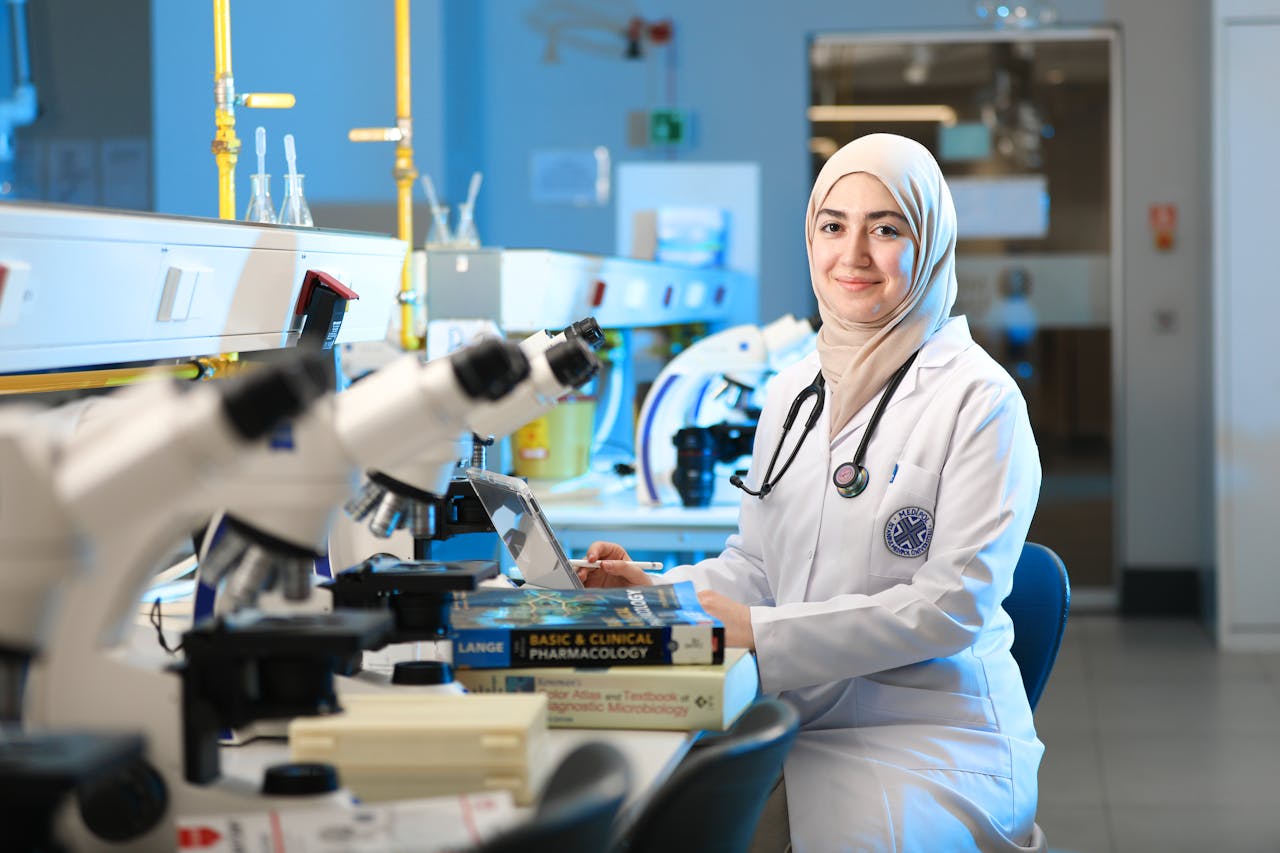
On a seemingly ordinary day at the Anne Burnett Marion School of Medicine at Texas Christian University, a group of future doctors gathered online for a routine meeting with their dean. They expected a discussion about schedules and exams, but what they received was something far more extraordinary. Dr. Stuart D. Flynn, the founding dean, announced that an anonymous family had donated $1.8 million to cover the entire class of 2026’s tuition for their final semester. For a moment, silence filled the virtual room before the reality of the announcement began to sink in. Laughter, tears, and disbelief followed.
This wasn’t simply a donation; it was an act of humanity that reminded these young physicians-in-training why they had chosen medicine in the first place. The family behind the gift asked for no recognition, no naming rights, and no public gratitude. Their intention was simple: to ease the burden that often weighs heavily on medical students and allow them to make choices driven by passion instead of financial pressure. At a time when the cost of education continues to climb and burnout in medicine is reaching historic levels, this gesture of kindness became a living lesson in compassion, the very foundation of healing.
Dr. Flynn later reflected that this gift would allow students to “make the best choices possible” as they moved into residency. Those choices, now untethered from the anxiety of looming debt, could shape not only individual careers but the quality of care future patients receive. Acts of generosity like this remind us that the health of a community depends not just on medicine or technology but also on the human capacity to care deeply for others.
News so good that even @People is sharing it! An anonymous gift to @TCUBurnettMed is transforming the lives of our medical students. 💜 https://t.co/HK4sJxRUti
— TCU (@TCU) October 28, 2025
Beyond Money: The Emotional Impact of Compassion
Financial relief is often measured in numbers, but its emotional effects are far more profound. For medical students juggling long shifts, sleepless nights, and mounting debt, the sense of financial suffocation can quietly erode confidence and joy. This donation did more than pay for tuition; it gave students emotional breathing space. One student, Angela Abarquez, shared that it was “a whole other thing” to know that a family had worked hard and decided to invest in their future. Her words reflected a universal truth: compassion transforms stress into gratitude and turns isolation into belonging.
When people receive help without asking for it, their brains respond with powerful biochemical changes. Studies in neuroscience have shown that kindness, whether given or received, activates the same regions of the brain associated with joy and trust. Oxytocin, often called the “bonding hormone,” increases, while cortisol, the primary stress hormone, decreases. This creates not just a temporary uplift in mood but a lasting sense of emotional safety. For these medical students, that safety may be the difference between exhaustion and endurance as they enter one of the most demanding professions in the world.
From a wellness perspective, this event also demonstrates how emotional support and community connection contribute to resilience. In holistic health, emotional stability is not separate from physical health; it influences immunity, cardiovascular function, and even longevity. When stress is reduced, the body’s parasympathetic nervous system, often referred to as the “rest and digest” system, becomes more active, supporting better digestion, sleep, and hormonal balace. In a sense, this donation did more than alleviate tuition fees; it nourished the students’ overall well-being.

The Ripple Effect: Paying It Forward
Generosity has a way of moving through people like water finding its course. When kindness touches one person, it rarely stops there. Several students expressed their intention to give back once they become physicians, creating what behavioral scientists call a “prosocial feedback loop.” When an individual experiences compassion, they are statistically more likely to act generously toward others. The simple awareness that they were cared for becomes a seed of empathy planted deep in their consciousness.
This is the essence of what many philosophical and spiritual traditions describe as the “law of giving.” In Buddhism, it is known as Dana, the practice of selfless generosity that purifies the heart. In Hindu philosophy, it is tied to Seva, the act of service without expectation. Even in contemporary psychology, the concept reappears in the study of altruism. According to a landmark study by Fowler and Christakis (2010), cooperative behavior spreads through social networks, often influencing people who never directly experienced the original act of kindness. In other words, generosity can be contagious.
For the students at TCU, this experience may redefine how they view their role as doctors. It shifts the perception of success from personal achievement to shared upliftment. When these young physicians one day find themselves in positions of influence, they will likely recall this moment and feel compelled to recreate it in their own way. Whether through mentorship, volunteer work, or donations, the chain of giving continues, creating a culture where empathy is as valuable as skill.

Financial Wellness and Mental Health in Medicine
The financial challenges of medical education extend far beyond tuition costs. The burden of student loans can follow physicians for decades, shaping their career choices and personal lives. According to data from the Association of American Medical Colleges, the average medical graduate in the United States carries over $200,000 in debt. This figure represents more than financial stress; it represents a psychological weight that influences how young doctors think, feel, and plan their futures.
Studies have linked medical student debt to higher rates of depression, anxiety, and burnout. The constant awareness of financial obligation can subtly alter decision-making, sometimes pushing graduates toward higher-paying specialties rather than those aligned with their passions. This phenomenon not only affects the individual but also contributes to workforce imbalances in healthcare, with shortages in essential fields like primary care and psychiatry.
The anonymous donation at TCU disrupts that pattern, even if just for one class. It allows students to focus on learning, patient care, and self-growth without the looming shadow of unpaid bills. It also sends a message that financial well-being is a critical component of overall health. Just as diet, exercise, and sleep affect the body, financial stress affects the mind. By easing this burden, the donors have indirectly supported the students’ mental clarity, confidence, and ability to connect authentically with patients. In many ways, they have invested not just in medical education but in the emotional and ethical quality of future healthcare.

Empathy as the Heart of Healing
Medicine is not only about diagnosing and treating illness; it is also about understanding human experience. The Burnett School of Medicine has built its reputation on its Empathetic Scholar curriculum, which teaches that the best doctors are those who listen as carefully as they prescribe. This donation mirrored that philosophy in action. When students experience empathy firsthand, it deepens their capacity to extend it.
Empathy is both an emotional and a physiological skill. Neuroimaging studies show that when we empathize with others, our brains activate regions associated with pain and compassion, allowing us to feel what another person feels without losing ourselves in their experience. For future doctors, this ability is essential. It allows them to connect with patients in ways that foster trust and healing.
By receiving such a heartfelt gift, these students have been given an experience of empathy that textbooks cannot teach. They now understand that healing begins long before a treatment plan is made. It starts in the space where one human being chooses to care for another. As they move forward in their careers, they will carry this lesson with them, likely shaping the way they comfort patients, mentor colleagues, and contribute to their communities.
Lessons in Generosity for Everyone
While not everyone has the means to fund a medical class’s tuition, everyone has the capacity to give. Generosity can take countless forms: a sincere word, a few minutes of listening, or a small act that lightens someone’s day. Research shows that giving benefits both the recipient and the giver. People who practice kindness regularly experience greater levels of happiness, lower blood pressure, and stronger immune responses. The act of helping others releases endorphins and dopamine, creating what researchers sometimes call the “helper’s high.”
In Ayurveda, the balance between giving and receiving is central to a healthy life. Generosity cultivates Satva, a state of mental purity and harmony. When a person gives freely, their mind becomes calmer and more focused. This inner clarity promotes better digestion, improved energy, and even longevity. Giving, therefore, is not just a moral act but a wellness practice. It aligns body, mind, and spirit in a way that restores equilibrium to both the individual and the community.
If this story teaches anything, it is that generosity does not require wealth; it requires willingness. Every time we choose compassion over indifference, we participate in the quiet creation of a healthier, kinder world. Small acts of giving, repeated over time, have the power to shape societies, just as one family’s gift has now shaped the futures of dozens of young doctors.

Kindness as a Prescription for Humanity
Stories like this remind us that the most powerful medicine often cannot be bottled or prescribed. It lives in the connections we form, the empathy we extend, and the generosity we embody. The anonymous family who offered this gift will likely never meet the students they helped, but their kindness will live on in the form of every patient treated, every life saved, and every compassionate decision made by those doctors.
Kindness creates ripples that move quietly through time. One act of selflessness can inspire hundreds more, eventually shaping the moral and emotional fabric of a community. The lesson is simple but timeless: when we care for others, we also heal ourselves. In the language of wellness, compassion is the most enduring form of balance.

The world may often feel uncertain, but stories like this remind us that empathy and goodness are alive and growing. Whether through financial generosity, emotional support, or a single kind gesture, we each have the capacity to improve lives. True wellness begins not only within our bodies but within our choices to make the world a little gentler for someone else.
