
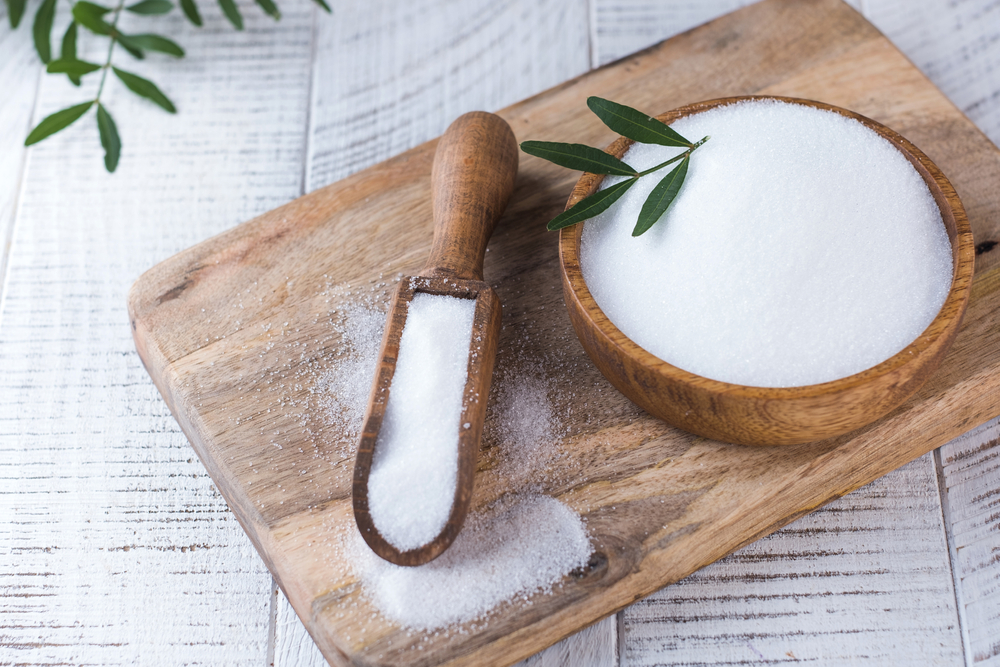
For years, sugar substitutes have been marketed as a safer and smarter choice for people trying to manage weight, blood sugar, or overall health. They appear in protein bars, sugar free beverages, baked goods, and even products labeled as natural or keto friendly. Recently, however, a viral wave of headlines has drawn attention to one popular sweetener and its possible effects on the brain’s protective defenses. What once seemed like a harmless swap is now raising serious questions within the scientific and wellness communities.
The story centers on erythritol, a sugar alcohol commonly promoted as a zero calorie alternative that does not spike blood glucose levels. While it occurs naturally in small amounts in fruits, the version used in processed foods is manufactured and consumed in far higher quantities. New studies are now exploring how this compound behaves inside the body, especially in relation to blood vessels and brain cells.
From a health and wellness perspective, this conversation is not about fear or panic. Instead, it is about awareness and informed choices. Understanding how certain ingredients interact with the brain allows you to make decisions that support long term vitality rather than short term convenience.
This article explores the science behind the viral story, explains why the brain’s protective barrier matters so much, and offers natural minded guidance for sweetening your life without compromising your health.

What Is the Brain’s Protective Barrier and Why It Matters
The brain is one of the most sensitive and vital organs in the human body. To protect it, nature designed a highly selective shield known as the blood brain barrier. This barrier acts like a security system that controls what substances are allowed to pass from the bloodstream into brain tissue. Nutrients and oxygen are welcomed, while toxins, pathogens, and inflammatory compounds are kept out.
Healthy blood brain barrier function is essential for cognitive clarity, memory, emotional balance, and neurological resilience. When this barrier becomes weakened or overly permeable, harmful substances may enter the brain more easily. This process has been associated with inflammation, neurodegeneration, and increased risk of stroke and cognitive decline.
Researchers have long studied factors that influence barrier integrity. Chronic stress, poor sleep, metabolic disorders, and systemic inflammation are already known contributors. Now, dietary components are coming under closer examination, especially ultra processed ingredients that the body did not evolve to handle in large quantities.
From a wellness standpoint, protecting the blood brain barrier is foundational. When the brain’s internal environment remains stable and well defended, the entire nervous system functions more smoothly. This is why any new research pointing to potential disruption deserves careful attention rather than dismissal.
The Sweetener at the Center of the Viral Study
Erythritol has gained massive popularity over the past decade. It is commonly found in sugar free gums, baked goods, low carb snacks, and beverages. Unlike some artificial sweeteners, erythritol has often been described as gentle on digestion and friendly for blood sugar control.
Because erythritol tastes similar to sugar and provides bulk without calories, food manufacturers use it generously. In many products, it is combined with other sweeteners like stevia or monk fruit to improve flavor. This has led to much higher daily intake than what would naturally occur in a whole food diet.
Recent studies from academic research institutions have begun to examine how erythritol interacts with cells lining blood vessels, including those forming the blood brain barrier. Laboratory findings suggest that exposure to erythritol may interfere with normal cellular signaling and increase oxidative stress within these delicate structures.
From a health and wellness perspective, the concern is not that a single serving causes immediate harm. The issue lies in repeated exposure over time, especially when erythritol becomes a daily staple across multiple foods and drinks.

What the Latest Research Is Showing
The viral headlines stem from laboratory based studies that looked at how erythritol affects endothelial cells. These cells line blood vessels and play a key role in regulating circulation, inflammation, and barrier integrity. When they become impaired, the risk of vascular dysfunction increases.
Researchers observed that erythritol exposure reduced nitric oxide availability. Nitric oxide is essential for healthy blood flow and vessel flexibility. Lower levels can contribute to stiffness, impaired circulation, and increased clotting risk. In the brain, these changes may compromise the ability of blood vessels to support barrier function.
Additional findings showed increased markers of oxidative stress. Oxidative stress refers to an imbalance between free radicals and antioxidants in the body. In brain tissue, excess oxidative stress can damage cells and disrupt communication between neurons.
While these studies do not prove direct causation in humans, they raise meaningful red flags. Wellness oriented interpretation encourages caution, especially given how frequently erythritol appears in modern packaged foods.
How Brain Health and Heart Health Are Connected
One important aspect of this discussion is the close relationship between brain health and cardiovascular health. The same blood vessels that nourish the heart also support the brain. When vascular function is compromised, both systems may suffer.
Research has increasingly linked erythritol consumption with higher risk of cardiovascular events in certain populations. Impaired endothelial function may contribute to clot formation and reduced blood flow. In the brain, this may elevate stroke risk or accelerate cognitive aging.
From a holistic health perspective, the body does not operate in isolated compartments. What affects circulation in the heart often affects circulation in the brain. Supporting vascular health through nutrition is therefore a powerful way to protect mental clarity and neurological resilience.
This connection highlights why wellness communities are paying attention to ingredients once thought to be harmless. When a sweetener shows potential to interfere with blood vessel function, it naturally raises concerns about both heart and brain wellbeing.

Why This Matters in Everyday Wellness Choices
Many people choose sugar substitutes with good intentions. Managing blood sugar, reducing calories, or following a low carbohydrate lifestyle can all be valid health goals. However, wellness is not only about avoiding sugar spikes. It is also about minimizing hidden stressors on the body.
Erythritol is often perceived as natural simply because it is not artificial in the traditional sense. Yet its industrial processing and concentrated use differ greatly from the small amounts found in whole foods. This distinction matters when evaluating long term effects.
A wellness focused approach emphasizes moderation and diversity rather than reliance on any single substitute. Replacing sugar with large quantities of alternative sweeteners may solve one problem while creating another.
This is not about eliminating enjoyment or sweetness from life. It is about aligning daily choices with how the body truly functions and heals.

Natural Ways to Sweeten Without Straining the Brain
For those seeking safer alternatives, nature offers options that align more closely with human biology. Whole food based sweeteners tend to come with fiber, minerals, and antioxidants that help buffer metabolic impact. These additional nutrients help slow absorption and reduce sudden metabolic strain, which can be especially supportive for brain and vascular health over time.
Raw honey in small amounts provides sweetness along with enzymes and phytonutrients. Maple syrup contains trace minerals and polyphenols that support antioxidant defenses. Dates and fruit purees deliver sweetness paired with fiber that slows absorption, helping maintain steadier energy levels and reducing sharp blood sugar swings.
Using spices like cinnamon or vanilla can also enhance perceived sweetness without adding sugar at all. These spices offer their own plant compounds that support metabolic balance. Over time, taste buds adapt and cravings for intense sweetness diminish, making naturally flavored foods more satisfying.
From a wellness perspective, the goal is not perfection. It is balance. Choosing less processed sweeteners and using them mindfully supports both brain and metabolic health. This approach encourages long term nourishment rather than quick fixes that may come with hidden trade offs.
How to Read Labels More Wisely
Erythritol often appears in ingredient lists under various health focused claims. Learning to spot it empowers you to make intentional choices rather than relying on front of package messaging. It is frequently listed among the first few ingredients in sugar free and low carb products, signaling a higher overall presence.
Pay attention to serving sizes. Multiple products consumed in one day can add up quickly, even if each individual portion seems small. What seems minimal in isolation may become significant cumulatively, especially when sweeteners appear in snacks, drinks, and condiments.
Wellness oriented label reading also means prioritizing foods with shorter ingredient lists and recognizable components. Whole foods rarely require substitutes to taste satisfying, and simpler formulations tend to place less strain on digestion and metabolism.
Being informed does not mean becoming anxious. It means engaging with food as nourishment rather than marketing. When you understand what you are consuming, you regain control over choices that support clarity, energy, and overall wellbeing.

A Grounded Takeaway for Conscious Living
The viral story about erythritol and brain health reflects a broader shift in nutritional science. Researchers are moving beyond calories and blood sugar alone to examine cellular and neurological effects. This evolution supports a more complete understanding of wellness that considers long term function rather than short term metrics.
For now, the evidence suggests caution rather than alarm. Reducing heavy reliance on erythritol and other sugar substitutes is a reasonable step, especially for those prioritizing brain and heart health. Small adjustments made consistently can have meaningful impact over time.
Wellness is built through consistent, gentle choices that honor the body’s design. When in doubt, returning to whole foods and natural flavors remains one of the most reliable paths to lasting health. These choices support not only physical systems but also mental clarity and emotional balance.
By staying curious, informed, and balanced, you can enjoy sweetness in life while still protecting the systems that keep you thinking clearly and living fully. Conscious living allows space for pleasure while remaining grounded in long term wellbeing.
