
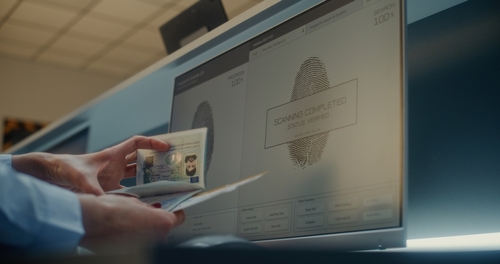
Air travel to the United States has entered a new phase, one that places far greater emphasis on biometric identification than many travelers may realize. As of December 26, updated customs and border policies allow US authorities to collect more detailed biological information from certain travelers, particularly non-citizens. While facial recognition has already been quietly rolling out at airports over the past few years, the scope of what can now be requested has expanded, bringing fingerprints and even DNA into the conversation. For millions of people arriving in the US during peak travel season, this shift is happening in real time.
For travelers, this change raises more than logistical questions. Concerns about privacy, long-term data storage, and personal autonomy are becoming harder to ignore, especially when biological information is involved. Many people are only learning about these rules as they approach passport control, which adds stress to an already demanding travel experience. Understanding what is being collected, why it is being collected, and how long it may be stored can help you feel more prepared and less overwhelmed as you move through US airports.

What the New US Airport Biometric Law Allows
The updated policy gives US Customs and Border Protection broader authority to collect biometric data from non-citizens entering or exiting the country. Facial recognition photographs are now standard at many major airports and are used to match travelers against existing government records. In certain situations, officials may also request fingerprints or additional biological identifiers as part of identity verification or enforcement procedures. According to official documents, some of this data may be stored for decades within federal biometric identity systems.
This expansion builds on programs that have existed since 2004, but the scale is much larger than before. Previously, specific age groups were exempt from biometric requirements, and data collection was more limited in scope. The new rules remove many of those boundaries, giving authorities greater flexibility in what they can request from travelers. While the government states that these measures improve consistency and security, they also significantly increase the amount of personal information being gathered at borders.
It is important to note that these rules primarily apply to non-citizens. US citizens are not required to participate in facial recognition programs and may opt in voluntarily. When US citizens are photographed, those images are typically discarded within 12 hours. Non-citizens do not receive the same automatic deletion protections, which is why the policy has drawn attention from privacy advocates and travelers alike.
Who Is Most Affected by the New Rules
Non-citizens traveling to or from the United States are the primary group affected by the new biometric requirements. This includes tourists, students, business travelers, temporary workers, and long-term visitors. One of the most significant changes is the removal of age-based exemptions. In the past, children under 14 and adults over 79 were excluded from facial recognition requirements. Under the new rules, non-citizens of any age may be subject to biometric collection.
Travelers planning to stay in the US for more than 29 days may face additional obligations. Some visitors will be required to pay a $30 fee connected to biometric processing, and refusal to comply with fingerprint collection or payment requirements can lead to substantial fines. These penalties can reach thousands of dollars, making it difficult for travelers to simply opt out without consequences.
While travelers technically have the option to decline facial recognition, doing so requires notifying a customs officer or airline representative. Opting out usually means undergoing a manual passport inspection, which can involve longer lines, additional questioning, and delays. For many travelers, especially during busy travel periods, this practical reality limits how much choice they feel they truly have.

Facial Recognition, Fingerprints, and DNA Explained Simply
Biometric data refers to physical or biological traits that can be used to confirm identity. At US airports, facial recognition works by capturing an image of your face and comparing it to photos already on file, such as passport images or visa records. The system measures specific facial features to verify that you are the person associated with your travel documents.
Fingerprints are another common form of biometric identification and have been used at US borders for years. What feels newer and more concerning to many travelers is the possibility of DNA collection. DNA contains far more personal information than a photograph or fingerprint, including genetic traits and biological relationships. While DNA requests are expected to be limited, the fact that they are legally permitted under the new framework has raised questions about future use and data security.
Long-term storage of biometric data is another area of concern. Some records may be kept for up to 75 years, depending on the type of data and the traveler’s status. Once collected, this information can be shared across government agencies, which means travelers have little control over how their biological data may be accessed or used later.

Why Officials Say These Measures Are Necessary
US authorities state that expanded biometric collection helps improve border security and reduce identity fraud. By relying on biological identifiers rather than documents alone, officials argue that they can more accurately verify travelers and detect overstays or false claims. Facial recognition is also presented as a way to streamline airport operations by reducing manual checks and paperwork.
From a policy standpoint, these measures are described as a way to bring consistency across airports and improve enforcement efficiency. The rollout during a high-volume travel season suggests confidence in the system’s ability to handle large numbers of travelers quickly. Officials emphasize that biometric technology reduces human error and improves overall accuracy at borders.

However, critics point out that technology is not infallible. Facial recognition systems have been shown in various studies to produce errors, particularly among children and people from certain ethnic backgrounds. When errors occur in a border setting, the consequences can include delays, questioning, or denial of entry, which makes accuracy especially important.
Privacy, Stress, and Health Considerations for Travelers
Beyond legal and logistical issues, biometric surveillance can have real effects on well-being. Airports are already stressful environments, and the knowledge that biological data is being collected can heighten anxiety for many travelers. Stress during travel has been linked to digestive upset, poor sleep, and weakened immune response, all of which can affect your health during and after a trip.
Parents may feel additional concern knowing that their children’s biometric data can now be collected and stored. Children are less able to understand or consent to these processes, yet their biological information may remain in databases for decades. This long-term impact is part of why privacy advocates urge travelers to stay informed.
Being aware of what to expect can help reduce uncertainty. Knowing your rights, allowing extra time at the airport, and staying calm during screening can make the experience more manageable. Supporting your body with proper hydration, rest, and stress management before travel also becomes increasingly important in this environment.

What This Shift Means for the Future of Travel
The expansion of biometric data collection at US airports reflects a broader global trend. Airports around the world are adopting facial recognition and automated identity checks as part of modern travel infrastructure. While these systems promise efficiency, they also reshape the relationship between travelers and authorities.

For travelers who prioritize natural health and mindful living, this trend reinforces the need for balance. You may not be able to control how border systems operate, but you can control how prepared and grounded you feel. Staying informed, taking care of your physical health, and managing stress are practical responses to a travel landscape that increasingly relies on data and surveillance.
As these systems continue to evolve, public discussion around privacy, consent, and long-term health implications is likely to grow. For now, awareness remains one of the most valuable tools you have when navigating modern air travel.
