
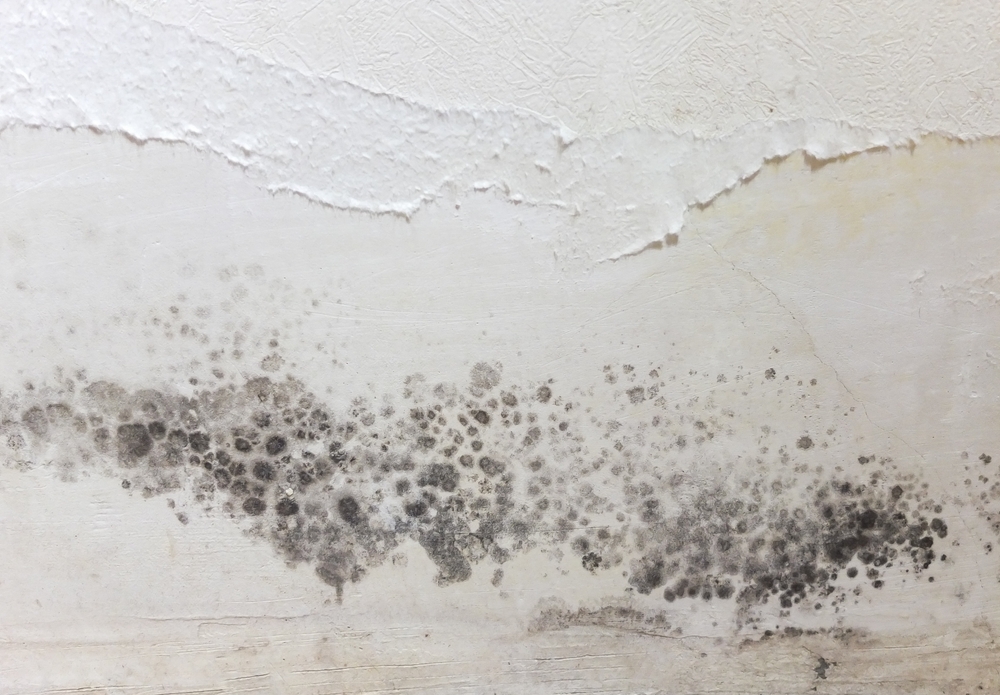
College life brings many surprises—wild parties, all-night study sessions, and questionable dining hall food. For one university student, however, an ordinary trip to their shared bathroom revealed something far more alarming than empty toilet paper rolls or forgotten shampoo bottles.
Caleb Wilson noticed dark shapes creeping along the wall of the bathroom. These weren’t typical water stains or mildew spots. They were mushrooms—actual fungi—sprouting directly from the wall surface and stretching 4-5 inches across.
Little did Caleb know that these mushrooms represented something far more serious than a bizarre biological curiosity. What appeared to be a simple bathroom intruder was a warning sign of significant structural damage hidden within the walls of his student housing.
What started as a curious Reddit post would soon reveal a dangerous situation affecting not just Caleb’s bathroom but potentially his entire building.
The Hidden Dangers of Dorm Living

College housing offers students independence but also unexpected challenges. Many undergraduates, balancing classes, social activities, and part-time jobs, fail to notice subtle changes in their living spaces until problems become apparent.
Maintenance issues in student housing often go unreported for weeks or months. Buildings housing hundreds of residents face constant wear, with bathrooms proving particularly vulnerable to moisture problems due to daily showers, poor ventilation, and aging plumbing systems.
Caleb Wilson, a sophomore at Westfield University, lived in a six-person suite with shared bathroom facilities. During midterm week, while rushing to prepare for an economics exam, he entered the bathroom at 6:30 AM. He spotted something unusual growing from the corner where the shower stall met the exterior wall.
At first, he assumed someone had dropped something dark on the floor. Upon closer inspection, he realized these objects were emerging directly from the wall itself. Unlike typical bathroom mold, which appears as dark patches or spots, these growths had defined shapes with stems and caps—unmistakably mushrooms.
Disturbed by this discovery, Caleb documented the strange growth, which measured approximately 4-5 inches in diameter, before seeking online answers about what these unwelcome bathroom residents might mean for his health and housing situation.
From ‘Mildly Infuriating’ to Major Crisis
Upon closer examination, Caleb noticed these weren’t just any mushrooms – they appeared almost ominous with their dark coloration and clustered formation. Growing directly from the bathroom wall, these fungi formed a patch measuring between 4 and 5 inches in total span.
Caleb observed that they resembled small ink cap mushrooms, with narrow stems supporting dark caps. Most alarmingly, they seemed firmly rooted into the wall material itself, suggesting whatever was feeding them lay beneath the surface.
After his initial shock wore off, Caleb did what any digital-native college student would do – he turned to social media for answers. His Reddit post included clear photos capturing the bizarre bathroom invaders along with his worried query: “Found this growing in my university shared bathroom! The growth spans around 4 to 5 inches. Does anyone know what it is and if I will be dying???”
His post immediately caught attention, racking up comments within minutes. Fellow students shared similar horror stories, while others offered humorous takes on his predicament. A few commenters with knowledge of biology, however, recognized something far more concerning than an unusual bathroom oddity.
What Caleb had documented wasn’t just a strange biological curiosity – it was visual evidence of a significant problem lurking inside his dormitory walls.
A Ticking Time Bomb

Mushrooms growing on walls point to something far worse than an eyesore – structural damage actively progressing inside building materials. Fungi attack buildings from within, destroying integrity long before visible signs appear. Mycelium, which forms most of a fungus, works like an invisible network that spreads throughout damp materials. This network breaks down organic materials in walls, particularly wood framing, paper backing on drywall, and some types of insulation.
Water damage creates perfect conditions for fungal growth. Moisture seeping into walls provides fungi with everything needed to thrive: water, darkness, and organic matter to consume. Mushrooms appear only after extensive colonization, signaling that advanced decay has already compromised structural components. For Caleb’s dorm, this meant dangerous deterioration lurked behind seemingly solid surfaces. As walls weaken, they lose load-bearing capacity. Entire sections might suddenly give way without warning, potentially causing injuries or collapsing onto adjacent areas.
Beyond structural concerns, advanced fungal growth creates secondary problems. Materials breaking down release spores and microbial compounds, which can affect indoor air quality and cause respiratory issues for residents. Most alarming for Caleb: construction experts confirm that visible mushroom growth typically represents “tip of the iceberg” damage – for every inch visible, significantly more destruction lurks unseen, putting his entire living space at risk of catastrophic failure.
How Dorms Become Fungal Havens

Mushrooms growing inside Caleb’s bathroom walls likely resulted from one of several common water intrusion problems affecting student housing.
Burst pipes rank among the leading culprits in campus buildings. Many university dormitories contain aging plumbing systems installed decades ago. Pipes gradually corrode, develop pinhole leaks, or completely rupture, especially during the winter months when freezing temperatures cause water inside the pipes to expand. A small leak inside the walls can release gallons of water daily without anyone noticing until damage becomes severe.
Improper waterproofing fails to protect bathrooms from moisture infiltration. Shower areas require special waterproofing membranes behind tile surfaces to prevent water migration into wall cavities. Many budget renovations or original construction projects cut corners on these critical moisture barriers, allowing water to penetrate wall structures during every shower.
Roof leaks contribute significantly to wall damage in upper-floor dormitories. Water entering through compromised roofing materials travels downward through the building structure, often emerging far from the entry points. Students on the top floors may experience water damage originating from roof problems rather than bathroom-related issues.
Poor ventilation exacerbates moisture problems throughout dormitories. Inadequate bathroom exhaust fans fail to remove steam generated during showers. This moisture condenses inside wall cavities, creating perfect conditions for fungal growth, particularly in buildings with insufficient insulation.
Plumbing stack failures present especially concerning scenarios in multi-floor dormitories. Main waste pipes running vertically through buildings can develop cracks or joint failures, leaking contaminated water into surrounding wall spaces and creating particularly hazardous environments for fungi to grow.
Act Now or Move Out!

Facing dangerous mushroom growth, Caleb needed to act fast. Housing management required immediate notification—not through standard maintenance requests but through emergency channels.
Caleb documented everything first. He took additional photos showing mushroom growth from multiple angles, recorded the discovery dates, and saved screenshots of expert comments on Reddit. Documentation strengthens cases when dealing with resistant administrators who might downplay severity.
Safety required that Caleb and his roommates request a temporary relocation while the repairs were being made. Most universities maintain emergency housing for situations involving safety hazards. Administrators might resist, but health codes and building regulations typically mandate action when structural integrity becomes compromised.
Wall remediation requires professional handling. Complete removal of the affected sections allows for an assessment of the extent and proper treatment of the surrounding materials. Partial fixes fail to address underlying issues, allowing problems to resurface later.
Students in similar situations should demand:
- Air quality testing to check for mold spores and fungal particles
- Professional inspection of all surrounding walls, floors, and ceilings
- Written documentation of findings and planned remediation steps
- Clear timeline for repairs
- Follow-up inspections after work completion
For Caleb, evacuation became non-negotiable. Collapsing walls pose life-threatening dangers, and prolonged exposure to fungal environments creates potential health risks that no academic deadline justifies.
Steps for Students to Take Immediately Upon Discovering Structural Issues
Discovering significant structural problems like water damage, mold, or fungal growth can be alarming, but there are clear actions you can take to ensure your safety and prevent further damage. Here’s what to do if you find yourself in a similar situation:
- Document the Problem
Start by taking clear, dated photos or videos of the issue. Make sure to capture the extent of the damage, including close-ups and wide-angle shots to show context. If possible, take a video of the environment to demonstrate any smells, sounds, or other sensory clues that might not be visible in photos. - Inform Your Roommates and Neighbors
Ensure that everyone who may be affected by the issue is aware of it. It’s important to coordinate with roommates and other residents to ensure no one is exposed to harmful conditions or unaware of the problem. - Report the Issue to Housing Management
Reach out to your university’s housing department immediately. Many universities have an emergency maintenance protocol for issues like this. Report the situation via official channels, making sure to include all documentation, including photos, descriptions, and any relevant safety concerns. Be specific about the severity of the issue. - Request Temporary Relocation If Necessary
If the problem poses a health or safety risk, such as a collapsing wall or mold exposure, request relocation to a safe area. Many universities have emergency housing available for students who need to move while repairs are made. Don’t hesitate to push for immediate action if you feel your living situation is unsafe. - Follow Up Regularly
After your initial report, keep track of the situation by following up with housing management. Ask for a clear timeline for repairs and an air quality inspection, if applicable. Ensure that proper remediation steps are taken and request documentation of the findings. - Escalate if Necessary
If housing management does not take action in a timely manner, escalate the issue by contacting your university’s student affairs office or filing a formal complaint. Keep a record of all your communications and, if needed, consult with local health authorities to ensure the issue is addressed.
By taking these steps, students can better ensure that their concerns are heard and that the necessary actions are taken quickly. Don’t wait for problems to escalate—early reporting and proactive measures are key to keeping your living space safe and habitable.
Don’t Be Next: Check Your Walls Today

Caleb’s bathroom mushroom crisis serves as a warning sign for all college students living in shared housing. You must learn to spot the early signs of water damage before they become severe and structural problems appear.
Musty odors provide your first clue to hidden moisture issues. Pay attention to persistent damp smells, particularly in bathrooms, kitchens, or around windows. Your nose can detect problems long before your eyes can see them. Watch for discoloration on walls and ceilings. Yellow or brownish stains signal water infiltration. Even small spots warrant investigation since water often travels far from its entry point before causing visible damage.
Feel the wall surfaces regularly, especially after rainy periods. Soft, crumbly, or bubbling drywall indicates moisture penetration and material breakdown. Walls should always feel solid when you press firmly against them. Monitor peeling paint or wallpaper, as moisture causes adhesives to fail. Areas where coverings separate from wall surfaces often reveal water problems developing beneath.
Please report maintenance issues immediately after you find them. Many students avoid “bothering” management with small concerns, but prompt attention to minor leaks prevents catastrophic damage later. Advocate for your safety rights. Universities must maintain habitable living conditions in accordance with housing regulations. Please make sure to document all communication with management and escalate issues when necessary.
