
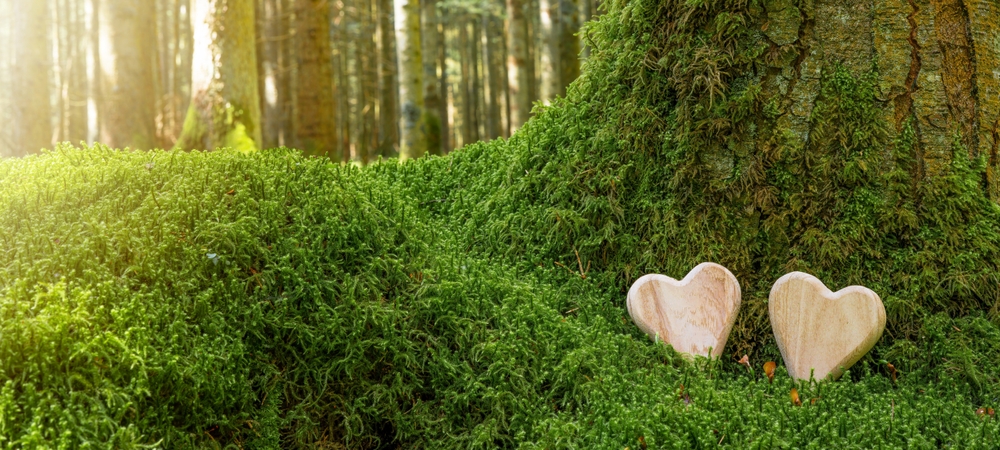
Death, to most of us, feels final. It’s the quiet punctuation mark that ends a sentence. Yet, nature teaches us that endings are simply transitions: every fallen leaf, every decaying log nourishes the soil for new life to emerge. That same wisdom has inspired a remarkable innovation: the tree pod burial, a way to return to the earth in the most literal, life-giving sense.
Instead of marble monuments and manicured lawns, imagine a living forest of remembrance: a place where human remains become nourishment for trees, and each life lost blossoms again as a symbol of growth. It’s a poetic reimagining of what it means to rest in peace, transforming burial from a static ritual into an act of regeneration. For many, it represents the ultimate expression of harmony between body and Earth, a final, gentle gesture toward sustainability.
What Exactly Is a Tree Pod Burial?
A tree pod burial is a modern approach to eco-friendly funerals where human remains are placed in a biodegradable pod that nourishes a growing tree. These pods, often shaped like eggs or spheres, are made from natural fibers or starch-based polymers that safely decompose in the soil. Over time, the pod breaks down, allowing nutrients from the remains to enrich the surrounding earth and support the young tree’s growth. The concept is both simple and deeply meaningful: your physical essence helps sustain new life.
Currently, most available pods are designed for cremated remains, since the ashes are compact and easy to inter. The cremains are mixed with organic materials to offset their naturally high pH, which could otherwise harm plant roots. The combination ensures a healthy environment for the sapling to thrive. There are also whole-body pods under development: these use uncremated remains that naturally decompose over time, but they’re still experimental, with projects like Capsula Mundi in Italy leading research and design.
While the concept sounds futuristic, it’s grounded in ancient wisdom. Many indigenous cultures viewed burial as a return to the natural cycle, where body and soil remain interconnected. Tree pod burials simply bring this philosophy into a modern ecological framework, blending symbolism with sustainability. The act of “becoming a tree” invites people to rethink legacy, not as something engraved in stone, but as something that grows and gives back.
The Environmental Logic Behind the Idea

Traditional burials, though meant to honor life, often damage the environment. Embalming fluids leach toxic chemicals like formaldehyde into the soil, metal caskets take centuries to break down, and manicured cemeteries disrupt natural ecosystems. Cremation, while cleaner, still releases significant carbon dioxide and fine particulates into the air. A single cremation can emit up to 534 pounds of CO₂, roughly the same as driving a car for 500 miles.
Tree pod burials were born from the desire to change that equation. By eliminating non-biodegradable materials and chemical treatments, they allow the body or its ashes to reintegrate with the earth naturally. The process enriches the soil with organic matter, improves microbial activity, and supports the growth of a living organism. It’s a small-scale form of carbon offset, where each tree acts as a natural air filter and carbon sink.
Still, they aren’t the perfect green solution. Because most pods currently use cremated remains, there’s an unavoidable carbon footprint from the cremation itself. For those seeking an even more sustainable option, human composting and water cremation offer cleaner alternatives. Yet, what makes tree pods so compelling isn’t just their environmental impact, it’s their emotional resonance. They give people a way to participate in the renewal of nature, leaving behind not waste, but growth.
How Much Does a Tree Pod Burial Cost?

One of the surprising benefits of this approach is its affordability. A typical tree pod urn costs less than $200, similar to traditional urns found in funeral homes. But the full expense includes cremation services and the cost of your chosen tree, bringing the total to around $2,500, a fraction of the $7,000–$10,000 price tag associated with conventional funerals.
Unlike typical burials, there are no maintenance fees, no headstones to polish, and no manicured plots to tend. The memorial tree becomes both the marker and the message, a living tribute that evolves over time. This simplicity is appealing not only for its cost but also for its mindfulness. Choosing such a burial invites you to consider death as part of life’s cycle rather than an interruption of it.
For many families, this approach also offers emotional comfort. Watching a tree grow from the remains of a loved one provides a tangible sense of connection. It transforms grief into guardianship, encouraging loved ones to care for something living rather than mourn in a static space. The low cost and deep meaning make tree pod burials a growing movement among those seeking both financial and ecological simplicity.
Where Can You Be “Planted”?

Tree pod burials are surprisingly versatile. They can take place on private property, within natural burial sites, in traditional cemeteries that permit eco-options, or even in public parks that welcome memorial tree planting. Each location carries its own emotional tone and practical considerations.
On private property, you have the freedom to create a deeply personal space: a quiet corner of your garden where a maple or oak stands in your memory. The downside, however, is permanence. If the land is sold, access to the burial site may be lost. Natural burial grounds, on the other hand, are designed for long-term preservation. These protected spaces ban harmful chemicals and synthetic materials, ensuring your tree, and the surrounding ecosystem, remains undisturbed for generations.
Some cemeteries have started integrating eco-friendly sections, combining traditional rituals with sustainability. And in certain communities, park departments allow commemorative tree plantings using biodegradable urns, turning public spaces into gentle reminders of shared humanity. Whether in a forest or a backyard, the act of planting life where life once ended redefines what remembrance can mean.
Tree Pod Burials vs. Other Green Alternatives
Though inspiring, tree pod burials exist within a wider landscape of sustainable death care. Each method has its own environmental advantages and philosophical appeals. Human composting, now legal in several U.S. states, allows the body to break down into nutrient-rich soil within a controlled environment. It uses minimal energy, produces no emissions, and yields soil that can nourish gardens and forests alike.
Water cremation, or alkaline hydrolysis, is another innovative option. It uses heat, pressure, and an alkaline solution to return the body to its basic elements, essentially a faster, cleaner version of natural decomposition. This process consumes 90% less energy than fire cremation and produces no airborne pollutants. Natural burials, meanwhile, involve placing an unembalmed body in a shroud or untreated coffin directly into the ground, allowing it to return to the earth unhindered.
Tree pod burials fall between these methods. While not the greenest scientifically, they carry a symbolic weight that others lack. The image of a loved one reborn as a tree touches something primal and spiritual. It offers not just ecological restoration but emotional renewal, a story that continues to grow long after we’re gone.
Why People Are Choosing to “Become a Tree”
For many, this choice is deeply personal. It’s not merely about sustainability; it’s about meaning. To become a tree is to dissolve the boundaries between self and nature. It’s to say: “I will not vanish. I will root, breathe, and continue in another form.” In an age of disconnection, where even our final acts often feel industrialized, this is a quiet rebellion: a return to simplicity and belonging.
The appeal also stems from the serenity it offers to those left behind. Families can visit a living tree instead of a cold monument. They can watch it sway in the wind, bloom in spring, and shed leaves in autumn, each season a gentle reminder of life’s rhythm. Grief softens in the presence of growth. The ritual becomes not one of mourning, but of tending.
Spiritually, many find comfort in the symbolism. Trees have long been seen as bridges between worlds: roots buried in the earth, branches reaching for the sky. They mirror the human desire to stay connected, to transform loss into continuity. For the environmentally conscious and the spiritually curious alike, becoming a tree offers both redemption and renewal.
Returning to the Earth as a Gift
To die and become a tree is to complete the circle: to feed the soil that once fed you. It’s not an escape from mortality, but a reconciliation with it. In that surrender lies beauty: the quiet assurance that every ending nurtures another beginning.
Tree pod burials are more than an eco-friendly trend; they are a philosophy of belonging. They ask us to live and die with awareness, to treat our bodies not as waste but as nourishment for the world we leave behind. When you plant yourself as a seed of life, you become a part of something vast and enduring. And perhaps, in the rustle of leaves and the whisper of wind, your story will go on forever.
