
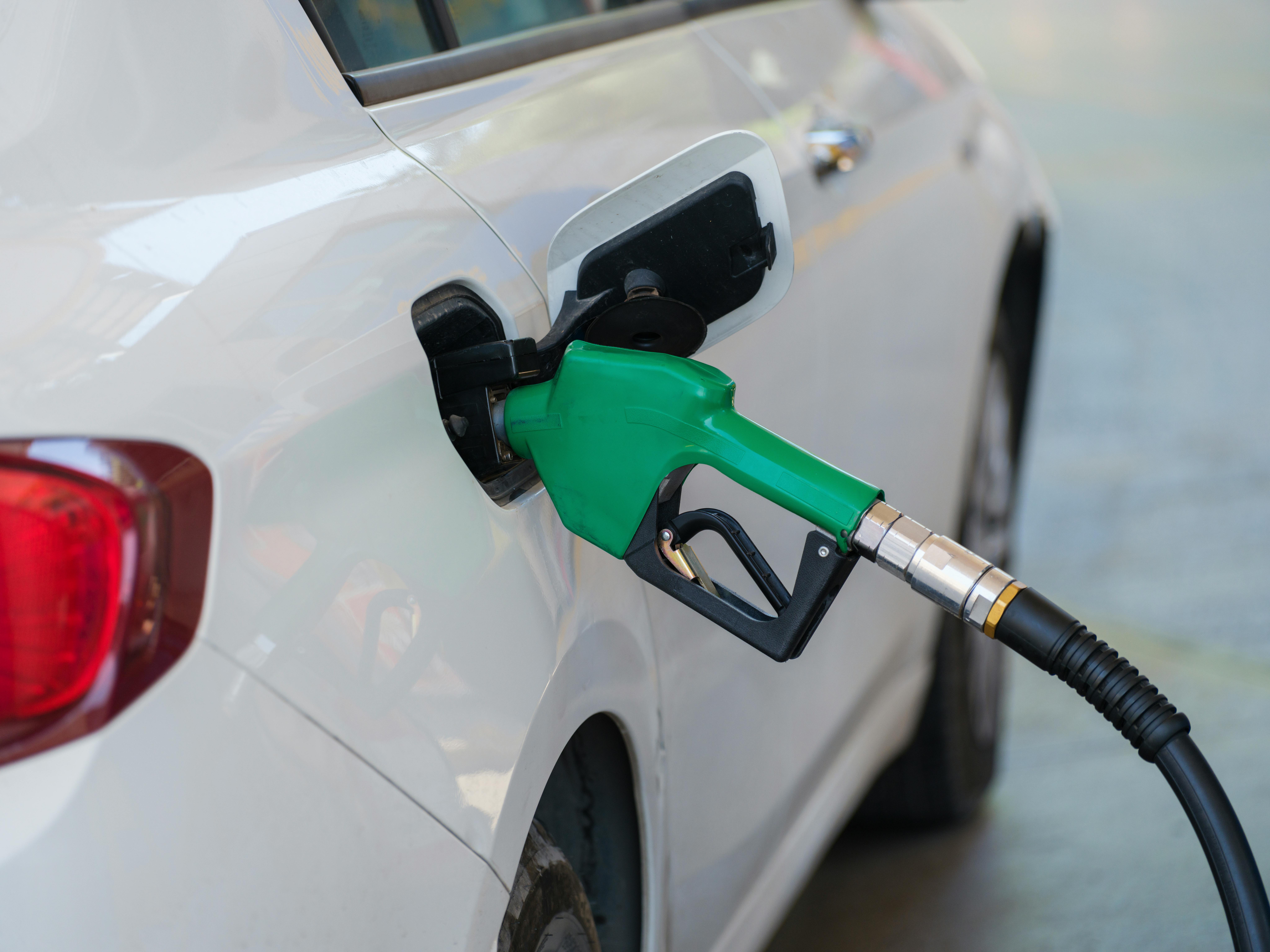
The global push for sustainable transportation is accelerating, and petrol car owners are facing an unavoidable reality—change is coming fast. Experts warn that a major shift in the automotive landscape is imminent, one that will redefine how we drive, refuel, and maintain our vehicles.
In the UK, the government has reinstated its ambitious plan to ban the sale of new petrol and diesel cars by 2030, a move designed to cut carbon emissions and promote a greener future. This policy aligns with the nation’s broader goal of achieving net-zero emissions by 2050 and places the UK at the forefront of electric vehicle (EV) adoption. But what does this mean for the average driver? How will this transition affect your daily commute, long-term expenses, and overall driving experience?
Whether you’re considering your first electric vehicle or simply curious about the future of transportation, now is the time to understand what’s coming—and how you can prepare.
The Big Change: Transition to Electric Vehicles
The U.K. government has reaffirmed its commitment to banning the sale of new petrol and diesel cars by 2030, five years earlier than the previous extension to 2035. This policy positions the U.K. as a leader in climate-focused transport initiatives and is a crucial part of the country’s broader Net Zero Strategy, which aims to eliminate greenhouse gas emissions by 2050.
To support this transition, the government has committed $2 billion to expanding the EV charging network, with a goal of installing 300,000 public charging points by 2030—a tenfold increase from current levels (U.K. Department for Transport, 2023). This investment aims to ensure that EV owners will have convenient access to charging infrastructure, reducing concerns about range anxiety.
Why This Shift Matters for Petrol Vehicle Owners
For current petrol and diesel car owners, this transition represents both a challenge and an opportunity. While new petrol and diesel car sales will be banned after 2030, existing vehicles will still be allowed on the road. However, their resale value is expected to decline significantly as EV adoption rises and fossil fuel costs potentially increase.
To make EVs more accessible, the U.K. government is offering grants and tax benefits for electric vehicle buyers. The Plug-in Car Grant, which previously offered $1,900 toward new EV purchases, was discontinued in 2022, but incentives remain in place for electric vans, taxis, and home charging points (Gov.uk, 2023). Additionally, EV owners benefit from exemptions from road tax and congestion charges, making long-term savings even more appealing.
The Expanding EV Market
As demand for EVs increases, major automakers are ramping up production to meet consumer needs. Companies like Tesla, BMW, and Volkswagen are investing heavily in battery technology, improving driving range and reducing charging times. According to the Society of Motor Manufacturers and Traders (SMMT), battery electric vehicle sales in the U.K. accounted for 16.6% of all new car registrations in 2023, a figure expected to grow steadily in the coming years.
This transition isn’t just about vehicles—it’s part of a broader cultural and technological shift toward sustainable transportation. Petrol car owners who begin planning for this change now—whether by researching EV models, assessing charging options, or taking advantage of incentives—will be better positioned for a seamless transition before 2030.
Challenges of Adapting to Electric Vehicles

Transitioning to electric vehicles (EVs) offers numerous benefits, but it also presents several challenges that need to be addressed for widespread adoption.
- Learning Curve for Drivers: EVs typically come with automatic transmissions, which can be an adjustment for drivers accustomed to manual gear changes. As the automotive industry shifts towards electric mobility, drivers will need to become familiar with this new driving experience.
- Charging Infrastructure Gaps: Despite significant investments in EV infrastructure, charging stations are not yet as ubiquitous as traditional fuel stations, especially in rural areas. This disparity can lead to “range anxiety,” where drivers fear running out of charge without a nearby station. However, efforts are underway to expand the charging network to alleviate these concerns.
- High Upfront Costs: While EVs often have lower operating and maintenance costs over time, the initial purchase price can be higher than that of traditional petrol or diesel vehicles. Government incentives and decreasing battery costs are helping to bridge this gap, but affordability remains a consideration for many consumers.
- Battery Production and Sustainability: The production of EV batteries involves the extraction of materials like lithium, cobalt, and nickel, which raises environmental and ethical concerns. The industry is actively seeking ways to improve battery recycling processes and develop alternative materials to mitigate these issues.
These adjustments may take time, but as EV technology advances and infrastructure improves, the transition is expected to become more seamless.
Practical Tips for Transitioning to Electric Vehicles

Switching to an electric vehicle (EV) requires more than just a purchase—it involves adjusting your driving habits, charging strategy, and financial planning. Here’s how to make the transition as smooth as possible.
1. Assess Your Driving Needs
Before making the switch, evaluate how an EV fits into your lifestyle. The average U.S. driver covers about 37 miles per day (U.S. Department of Transportation, 2023), which is well within the range of most EVs, typically 200–300 miles per charge.
- Short-distance drivers: If your daily commute is under 50 miles, most EVs will easily last multiple days without needing a charge.
- Long-distance travelers: If you frequently take road trips, consider an EV with fast-charging capabilities and a strong highway range. Research charging station availability along your routes.
- Cold climate drivers: EV range can be affected by extreme weather, especially cold temperatures. Choose a model with an efficient battery heating system.
2. Plan Your Charging Strategy
Unlike petrol stations, charging takes time, so a plan is essential.
- Home charging: If you have off-street parking, installing a Level 2 home charger can charge most EVs overnight. Some utility providers offer rebates or lower electricity rates for EV owners who charge during off-peak hours.
- Public charging: Identify fast-charging networks like Tesla Superchargers, Electrify America, and ChargePoint along your frequent routes. Many newer EVs can charge up to 80% in 20–40 minutes using DC fast chargers.
- Apartment or shared parking: If you don’t have a private driveway, check whether your building has charging options or advocate for EV infrastructure in your community.
3. Take Advantage of Incentives
Government incentives can significantly reduce the cost of an EV.
- The U.S. federal EV tax credit provides up to $7,500 (U.S. Department of Energy, 2024), but eligibility depends on the model and manufacturer.
- Many states offer additional rebates or tax exemptions, such as California’s Clean Vehicle Rebate Program, which provides up to $2,000 in additional savings.
- Some states also offer HOV lane access, reduced registration fees, and utility rebates for home charger installations.
4. Consider Long-Term Savings
While the upfront cost of an EV may be higher, the total cost of ownership is often lower than a petrol vehicle.
- Fuel savings: Charging an EV costs about 50–70% less per mile compared to gasoline.
- Maintenance savings: EVs don’t require oil changes, spark plugs, or timing belts, and have fewer moving parts, reducing repair costs.
- Battery longevity: Most EV batteries last 10–15 years or 100,000–200,000 miles, and manufacturers often offer 8-year/100,000-mile warranties on battery packs.
Transitioning to an EV requires thoughtful planning, but with the right knowledge and preparation, it can be a seamless and rewarding shift. By understanding your driving needs, setting up a charging plan, leveraging financial incentives, and considering long-term savings, you can make the move to electric with confidence.
Driving Towards a Greener Future
The shift from petrol to electric vehicles is no longer a question of if, but when. With governments enforcing stricter emissions policies, automakers ramping up EV production, and charging infrastructure rapidly expanding, the transition is well underway. While challenges like charging availability and upfront costs exist, they are being addressed through technological advancements and financial incentives that make EVs increasingly practical.
For petrol car owners, preparation is key. Understanding your driving needs, planning for charging, and leveraging government incentives can make the transition smoother. EVs offer lower long-term costs, reduced environmental impact, and enhanced energy security, making them a smart investment for the future.
Electric vehicles are not just an alternative—they are becoming the standard. As costs continue to fall and range capabilities improve, making the switch sooner rather than later will put drivers in the best position to benefit from this inevitable evolution in transportation.
