
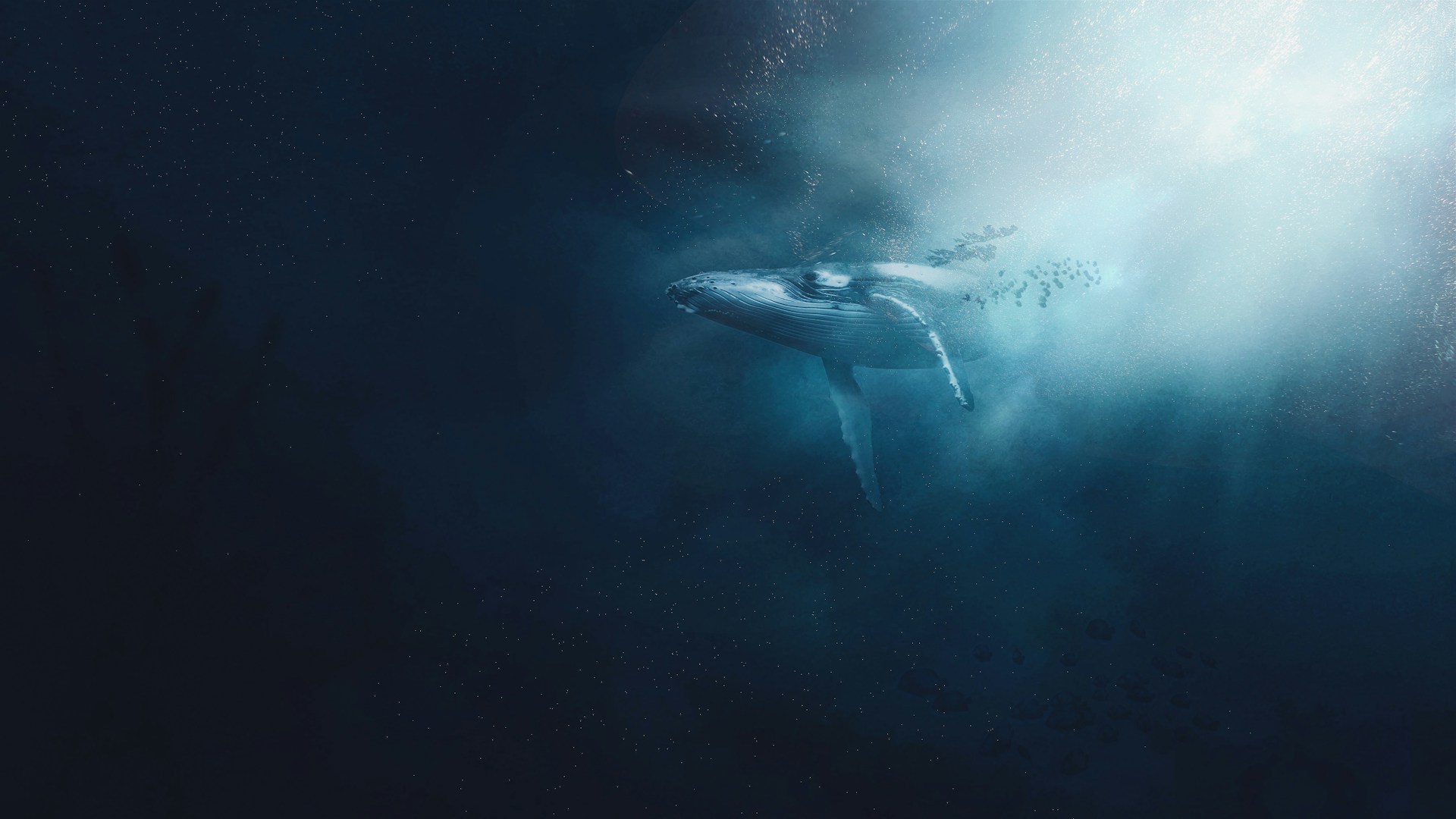
Imagine carrying a wound for more than a century and still thriving. That is exactly the story of a bowhead whale found off the coast of Alaska with a piece of a harpoon embedded deep within its flesh. Scientists determined that the weapon dated back more than 100 years, a time when industrial whaling threatened whale populations across the globe. This means that the whale endured one of the harshest eras in its species’ history, when thousands were hunted for oil, meat, and baleen. Despite this, it not only survived the injury but lived long enough to become one of the oldest mammals on Earth.
Researchers who studied the whale explained that layers of tissue had slowly grown around the harpoon fragment, essentially sealing it off from the rest of the body. This natural process of adaptation allowed the whale to carry its wound without it becoming fatal. Such findings remind us that healing does not always mean erasing a scar; sometimes it means learning to live alongside it in balance.
This discovery is more than a marine mystery. It is a lesson in resilience, long-term healing, and the remarkable strength of nature. For us, it serves as a mirror, showing how the body, mind, and spirit can adapt and recover even when carrying long-standing scars. It invites us to reflect on our own challenges and consider how we too might build strength and endurance in the face of hardship.

The Bowhead Whale: Arctic Survivor and Longevity Champion
Bowhead whales (Balaena mysticetus) are remarkable creatures that inhabit the icy waters of the Arctic and sub-Arctic regions, especially around Alaska, Greenland, and Canada. With thick layers of blubber to withstand freezing temperatures and an ability to break through sea ice more than half a meter thick, they are perfectly adapted to life in some of Earth’s harshest environments. Their massive skulls are specially designed to break ice, and they can survive in waters that are inaccessible to many other marine mammals. They also migrate seasonally within the Arctic, following the shifting ice and rich feeding grounds, demonstrating a natural rhythm that allows them to conserve energy and thrive year after year.
These whales are also among the longest-living mammals, with lifespans that can exceed 200 years. Unlike many species, bowheads show a resistance to age-related diseases and remain reproductively active for much of their lives. This makes them a key subject of scientific studies on longevity and resilience. Researchers believe that bowhead whales have genetic adaptations that allow them to resist cancer and cellular damage far better than most animals, which may help explain their extraordinary longevity. Scientists have also noted that their unique DNA repair mechanisms and slow metabolic rates could be central to their ability to live so long without succumbing to many of the diseases that affect other species, adding even more intrigue to their status as natural longevity champions.

Clues From the Harpoon: How Scientists Determined the Whale’s Age
The discovery of a metal harpoon fragment lodged deep in a whale’s flesh offered scientists an unexpected clue about its age. The harpoon was identified as a type manufactured in the late 1800s. Since the whale survived the initial strike and lived well into the 21st century, it confirmed that the animal was at least 130 years old at the time of discovery. This astonishing fact highlights not only the incredible longevity of the species but also its ability to adapt and recover in ways that continue to fascinate researchers.
Beyond the harpoon evidence, biologists often study the growth layers in a whale’s eye lens proteins. Much like counting rings in a tree, these layers accumulate over time and allow scientists to estimate the age of the whale with surprising accuracy. In some cases, scientists have identified individuals that lived more than 200 years, making bowhead whales the longest-lived mammals known to science. Their ability to survive with such injuries while continuing to thrive has made them a powerful symbol of endurance and natural healing, reminding us how much remains to be learned from the resilience of nature’s oldest giants.
The Science of Longevity: What Humans Can Learn
The resilience of bowhead whales has fascinated scientists not just for what it reveals about the whales themselves, but also for what it can teach us about human aging. Studies suggest that the whale’s genetic makeup provides resistance against cellular damage, cancer, and age-related decline. For humans, understanding these mechanisms could one day unlock secrets to healthier aging. Researchers have even begun studying specific whale genes that may be linked to DNA repair and disease resistance, hoping that such discoveries can inspire new approaches to human medicine.
While we may never match the lifespan of bowhead whales, adopting practices that reduce inflammation, improve immune function, and protect against cellular stress can enhance both our health span and our quality of life. These practices mirror what whales embody in the wild: a life of balance, adaptation, and harmony with their environment.
By focusing on diet, stress management, restorative sleep, and supportive social bonds, we too can foster the type of resilience that allows the bowhead whale to live for centuries. Nourishing meals rich in leafy greens, berries, and spices such as turmeric or ginger provide natural anti-inflammatory benefits, while traditional remedies like ashwagandha and tulsi can help balance stress responses. These choices, combined with simple acts of self-care like herbal teas in the evening or mindful breathing before bed, create a daily rhythm that supports long-term vitality.

Lessons in Healing From the Ocean
This whale’s survival is not just a curiosity. It is a powerful example of natural healing and endurance. While humans may not live as long as bowhead whales, our bodies also have astonishing abilities to adapt and repair. Think of how broken bones knit themselves back together, or how the skin closes over after a cut. Just as the whale’s body formed protective tissue around a century-old wound, our bodies can adapt and recover from injuries, illnesses, and even emotional pain. The story reminds us that healing is not always about erasing the past but about learning to live well with what remains.
Healing is not always about the physical body. Just as the whale carried its harpoon silently, many of us carry emotional wounds for decades. Stress, grief, and trauma may lodge deep within us, influencing how we move, think, and connect with others. Yet with the right care, our bodies and minds can build resilience and foster new strength. Supportive practices such as journaling, meditation, and embracing time in nature can help to process old wounds and release some of their weight, much as the whale’s body gradually built tissue to protect itself.

Carrying Our Own Harpoons: Lessons in Natural Resilience
The harpoon in a whale’s body is a powerful image of what many of us endure. Our own harpoons may not be made of steel but of chronic stress, old heartbreaks, or lingering illness, burdens that remain lodged in our lives. Yet, like the whale, we too have the capacity to adapt and even thrive in spite of these wounds. Scars may never fully disappear, but they can transform into symbols of survival and strength rather than marks of limitation.
Research on stress resilience shows that people who cultivate supportive relationships, mindful practices, nourishing diets, and restorative rest recover more quickly from life’s setbacks. Just as a whale’s body forms protective tissue around its wound, humans can create buffers through healthy habits and meaningful connections. Breathing deeply and slowly calms the nervous system, nutrient-rich foods strengthen the body, and cycles of deep rest allow repair and regeneration. Small rituals such as herbal teas, calming breath practices, or the steady presence of trusted friends can soften life’s sharp edges and make burdens lighter to carry.
Nature too offers guidance in resilience. Whales live in pods, supporting one another, reminding us that connection is essential to emotional health. Their ability to adapt to icy waters reflects our own need for flexibility in routines and responses to change. And just as whales thrive in clean oceans, we nurture our long-term health by protecting our environments, reducing toxins, cultivating balance, and honoring rhythms of rest and renewal. Our scars remain, but they need not define us. Instead, they can become quiet testaments to endurance and the art of living well in spite of what we carry.
Nature’s Message: Endurance Beyond the Wound
The story of the whale with a harpoon in its body is not just about survival. It is about endurance, adaptation, and the quiet strength that allows life to continue even when carrying the weight of old wounds. Just as the bowhead whale lived beyond its injury, we too can find ways to live fully, even when our lives hold scars of the past. The endurance of this whale invites us to look at our own lives with patience, recognizing that healing can be a long journey rather than a single event.
Resilience is not about ignoring pain or pretending challenges do not exist; it is about honoring your scars, building around them, and allowing healing to unfold over time. Like the bowhead whale that carried a century-old harpoon yet thrived, we too can discover that our deepest wounds can coexist with extraordinary vitality. True strength does not always come from force but from quiet perseverance, from small and steady practices that nurture body and mind. By embracing patience, self-compassion, and adaptability, we can create protective layers around our pain through mindful breathing, nourishing foods, restful rhythms, and meaningful connections, transforming scars into symbols of survival and reminding us that a life need not be unscarred to be whole.
