
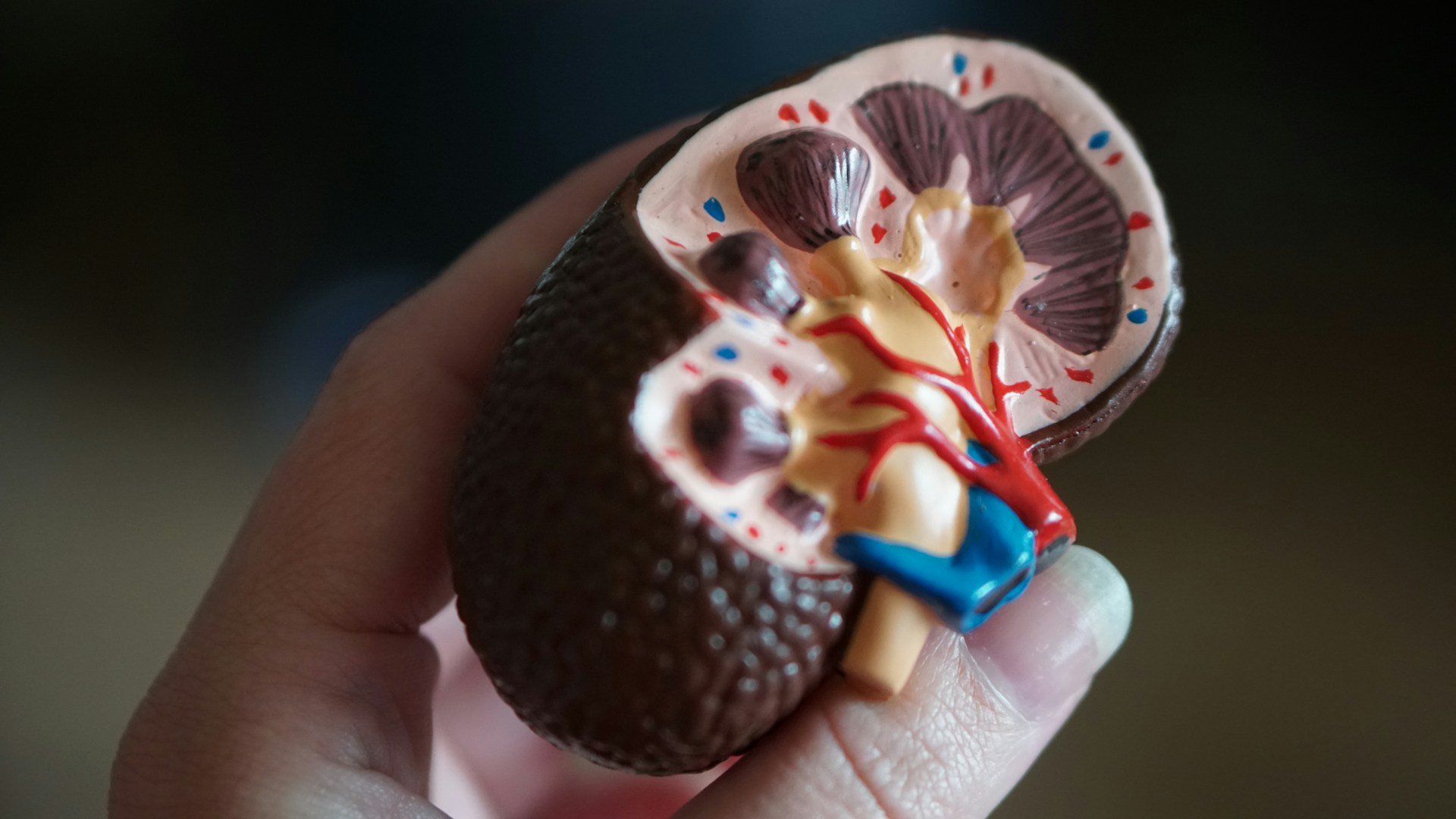
Chronic kidney disease, often called CKD, is a long‑developing condition in which the kidneys gradually lose the ability to filter waste, toxins, and excess fluid from the bloodstream. Many people do not realize the kidneys perform far more than filtration. They regulate blood pressure, balance minerals, influence red blood cell production, and even help maintain bone health. When the kidneys begin to weaken, nearly every system in the body can be affected.
In 2023, researchers announced that CKD had climbed into the top 10 causes of death worldwide, reaching the number nine position. This shift is not due to a sudden change, but the result of decades of rising cases combined with slow or delayed diagnosis across many countries. More than 14 percent of adults globally are believed to have reduced kidney function, meaning nearly 800 million people are already affected.

These numbers come from a large analysis that included health information from more than 130 countries. It revealed an urgent pattern. CKD cases have more than doubled since 1990, and deaths continue to rise steadily. While other major diseases such as stroke or heart disease have seen improvements in survival due to better screening and treatments, CKD remains hard to detect early and even harder to treat once it becomes advanced.
Another major concern is that CKD often appears alongside other illnesses, especially diabetes and high blood pressure. These conditions are increasing worldwide due to lifestyle changes, aging populations, and limited access to preventive care. As these illnesses spread, CKD rises silently behind them, creating a global health challenge.
Why CKD Is Called a Silent Killer
CKD is frequently described as a silent killer because symptoms rarely appear in the early stages. The kidneys can function with significant impairment without triggering strong warning signs. Many individuals only learn they have CKD during routine blood tests or while being evaluated for another condition.
During the first several stages of CKD, minor changes in kidney function may not produce noticeable symptoms. This makes early screening essential, especially for those with known risk factors like family history, diabetes, high blood pressure, or obesity. Without testing, it is easy to miss the slow progression occurring inside the body.
By the time symptoms begin to appear, damage is usually already advanced. A person may begin experiencing fatigue, swelling in the ankles or face, or changes in urination patterns. These changes can be subtle and are often mistaken for aging, stress, or dehydration. Because the symptoms overlap with many other issues, people may delay seeking help.
As the disease worsens, waste products accumulate in the bloodstream. This buildup causes more noticeable issues, including shortness of breath, nausea, itchy skin, and muscle cramps. At this stage, kidney function may be reduced to a level where medicines, dietary adjustments, and close monitoring become necessary. If the decline continues, dialysis or a kidney transplant may eventually be required.
The silent nature of CKD makes awareness and education vital. The earlier the condition is recognized, the more effective lifestyle and medical interventions can be in slowing its progression.

Global Trends and Alarming Data
The rising global numbers related to CKD paint a concerning picture. Over the last three decades, the number of people living with the condition has grown from less than 400 million to nearly 800 million. This increase is tied to growing populations, longer life expectancy, and higher rates of chronic diseases that affect the kidneys.
One particularly troubling finding is that mortality from CKD is rising even after adjusting for age. This means the increase cannot be explained only by an aging population. Instead, the disease is becoming more common and more deadly across all age groups.
In many countries, public health systems struggle to keep up with early identification of CKD. Regular screening requires simple tests, but access varies widely. Without early screening, individuals may not learn they have kidney issues until the disease is far more advanced.
Another important trend involves the connection between CKD and cardiovascular disease. Experts now estimate that impaired kidney function contributes to more than 10 percent of global deaths due to heart disease. When the kidneys weaken, fluid balance, blood pressure regulation, and toxin removal become impaired. These changes strain the heart and circulation, raising the risk of heart attack, stroke, and heart failure.
As diabetes, high blood pressure, and obesity continue to rise globally, CKD is expected to climb further unless significant changes in prevention and early detection occur. The combined impact of these illnesses underscores the importance of lifestyle changes, community health education, and improved access to screening.

Recognizing the Silent Signals: Symptoms to Watch For
Identifying CKD early can be challenging, but certain symptoms should prompt attention and medical evaluation. Fatigue is one of the earliest signs. When the kidneys cannot filter waste effectively, toxins accumulate and may cause persistent tiredness. Even mild activity can begin to feel more demanding.
Another common early symptom is swelling in the ankles, feet, or face. Kidneys normally remove excess sodium and fluid. When that ability declines, fluid collects in the tissues. Some people notice their shoes fitting tighter or see puffiness around the eyes upon waking.
Changes in urination also serve as a warning sign. This might include increased frequency at night, reduced urine output, or urine that appears foamy. Foamy urine can indicate the presence of protein, an early marker of kidney damage.
Shortness of breath is a later symptom that may indicate fluid buildup in the lungs or severe anemia caused by kidney impairment. The kidneys influence the production of red blood cells, so reduced kidney function can lead to fewer red blood cells and difficulty carrying oxygen throughout the body.
Other symptoms can include nausea, loss of appetite, persistent itching, and muscle cramps. These symptoms develop when waste products accumulate or when mineral imbalances occur within the body. While these symptoms do not confirm CKD, they should not be ignored.
Major Risk Factors You Should Know About
Understanding the risk factors for CKD can help you take preventive steps. Diabetes is the leading cause. High blood sugar damages the small blood vessels in the kidneys over time, reducing their ability to function. People with long term or poorly controlled diabetes see this damage accelerate more rapidly.
High blood pressure is the second most common cause. Excess pressure on the walls of blood vessels weakens and damages them, including those that supply the kidneys. When the kidneys do not receive proper blood flow, their filtering ability declines.

Obesity also increases risk. Excess weight affects hormone balance, raises inflammation, and increases the likelihood of developing high blood pressure and diabetes. Together, these effects create a pathway toward kidney decline.
Family history plays a role as well. If kidney disease runs in your family, you may have a higher chance of developing it yourself. Genetics can influence how the kidneys respond to various health pressures over time. Other contributors include smoking, long term use of certain pain medications, chronic infections, and autoimmune disorders. While not all these risk factors can be avoided, understanding them helps individuals make informed decisions about lifestyle and health care.
How CKD Progresses Through the Body
The kidneys contain tiny filtering units called nephrons. When CKD begins, some of these nephrons become damaged or dysfunctional. The remaining nephrons then work harder to compensate. This extra effort can maintain the kidneys for a while, which is why symptoms may be absent in the early stages.
Over time, however, the overworked nephrons also become stressed. As more of them fail, the kidneys lose their ability to manage waste, fluid balance, and mineral regulation. This can cause rising levels of creatinine and other waste products in the blood, which doctors measure to evaluate kidney function.
As CKD progresses, mineral imbalances begin to affect the bones and heart. Calcium and phosphate levels shift, weakening bones and raising the risk of fractures. Elevated phosphate levels can also contribute to calcification of blood vessels, which increases the risk of heart disease.
Eventually, kidney function may drop to a level where dialysis or transplant becomes necessary. Dialysis removes waste and excess fluid from the body through a machine or special fluid exchange. Transplant offers a long term solution but requires a suitable donor and lifelong medical care.
Natural and Lifestyle Approaches to Protect Kidney Health
Lifestyle changes have a significant impact on slowing CKD progression. A balanced diet rich in whole foods can reduce strain on the kidneys and support overall wellness. Many individuals benefit from limiting sodium intake, which helps reduce fluid retention and blood pressure. Eating more fresh fruits and vegetables provides antioxidants and minerals that support bodily balance.
Regular physical activity supports cardiovascular health, helps manage weight, and improves blood sugar control. Even simple activities such as daily walks can make a meaningful difference. Movement improves circulation and reduces the pressure placed on the kidneys by related conditions.

Staying hydrated is another simple yet powerful practice. While water needs vary, ensuring enough fluid intake supports kidney filtration. However, individuals with advanced CKD should follow medical guidance, as fluid restrictions may be necessary.
Herbal and natural remedies are often used to support kidney health. Turmeric, ginger, nettle tea, and dandelion root are among the herbs traditionally used for their potential anti inflammatory and urine supporting properties. Still, individuals should consult a health professional before starting herbs, especially if they have other medical conditions.
A Health Crisis That Needs Awareness and Early Action
Chronic kidney disease is now one of the most widespread yet underdiagnosed conditions worldwide. Its rise into the top 10 causes of death shows how urgently greater awareness is needed. With early testing, healthier habits, and improved understanding of the symptoms, millions of people can protect their kidneys and slow the disease before it becomes severe.
Educating yourself and paying attention to your body’s signals can make an enormous difference. Kidneys work quietly in the background, but they influence every part of your health. Supporting them through lifestyle choices and early screening
and overall wellbeing. Taking action early gives your kidneys the support they need for a longer and healthier life.
