
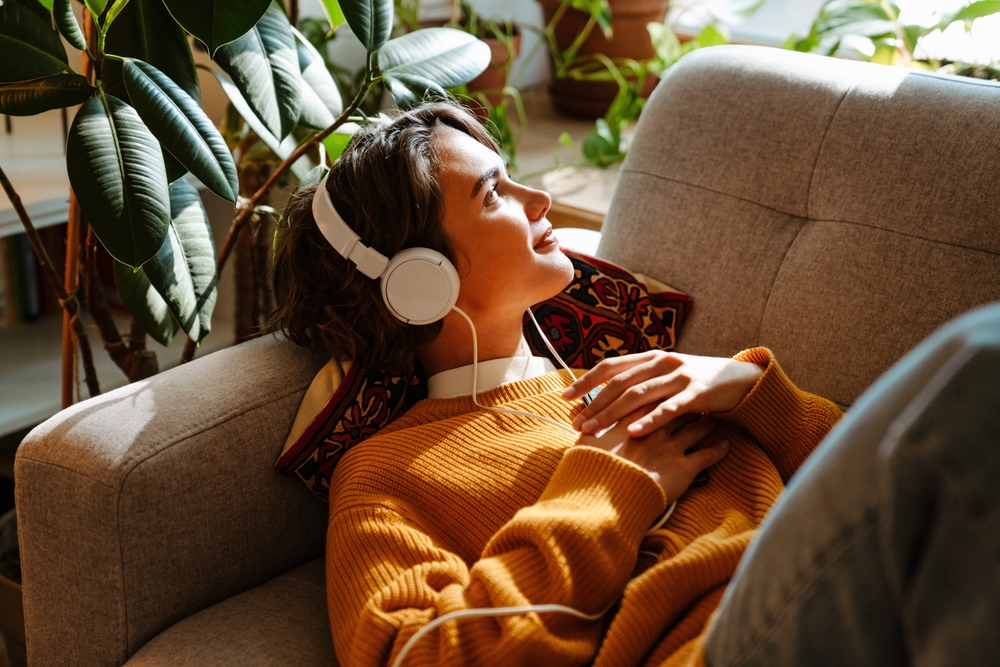
As the years pass, many people notice a quiet but unmistakable change in how they relate to the outside world. The excitement that once came from packed calendars, spontaneous outings, and late nights slowly softens. This shift doesn’t usually arrive with drama or distress. Instead, it shows up in small moments, like feeling relief when plans are canceled or choosing a calm evening at home over a noisy gathering without a second thought.
What’s important to understand is that this change is rarely about becoming antisocial or fearful. More often, it reflects deeper self-awareness. With time, people become more attuned to their energy, their needs, and what genuinely brings them peace. Home starts to feel less like a place you return to and more like a place you choose, because it supports your body, mind, and emotional balance in ways the outside world often no longer does.

Comfort Stops Feeling Boring and Starts Feeling Necessary
Early in life, comfort can feel like something you earn only after being busy or productive. Over time, that mindset shifts. Physical ease, quiet surroundings, and predictable routines begin to register as supportive rather than dull. The body, after years of stimulation and strain, naturally gravitates toward environments that don’t demand constant adaptation.
Home offers that consistency. The lighting doesn’t glare, the chair doesn’t pinch, and the temperature doesn’t fluctuate wildly. These details may seem small, but together they create a setting where the nervous system can relax instead of staying on alert. That sense of calm becomes increasingly valuable with age.
Choosing comfort isn’t about avoiding life. It’s about recognizing that well-being improves when you’re not constantly pushing against discomfort. Staying home becomes less of a retreat and more of an intentional choice to protect your energy.

Your Home Becomes an Extension of Who You Are
As people age, their living space evolves alongside them. Furniture is chosen for support, not style alone. Objects carry memories. Layouts are adjusted to feel intuitive rather than impressive. Over time, the home becomes deeply personal, reflecting habits, preferences, and rhythms built over years.
Leaving that space can feel like stepping away from something that finally fits. Outside environments rarely offer the same sense of ease or familiarity. You know exactly where everything is at home, and nothing asks you to explain yourself or adjust to someone else’s expectations.
This sense of ownership creates emotional safety. When your surroundings feel aligned with who you are, staying home feels grounding rather than limiting.

Real Clothes Lose Their Appeal
Clothing that once felt fashionable can start to feel restrictive as the body becomes less tolerant of pressure, seams, and stiffness. Elastic waistbands, soft fabrics, and loose layers simply feel better. This isn’t about giving up on appearance; it’s about listening to physical comfort cues.
Getting dressed to go out often comes with hidden effort. Choosing outfits, dealing with shoes, and sitting in uncomfortable clothes for hours can feel draining before the event even begins. At home, none of that effort is required.
When the reward for dressing up no longer outweighs the discomfort, staying in becomes an easy decision rather than a compromise.

Entertainment No Longer Requires Going Anywhere
Entertainment used to be something you traveled for. Movies, concerts, lectures, and shows required planning, tickets, and crowds. Today, most of that is available at home, often with more control and fewer interruptions.
Streaming services, audiobooks, podcasts, and live broadcasts allow people to engage with culture on their own terms. You can pause, rewind, adjust volume, or switch content entirely without inconvenience.
When entertainment meets you where you are, the motivation to leave the house naturally declines, and that decline doesn’t feel like a loss.

Routine Becomes Emotionally Regulating
Daily routines can look boring from the outside, but they serve an important role internally. Repeating familiar patterns helps regulate mood, reduce stress, and create a sense of stability. As people age, they often feel the emotional benefit of routine more strongly.
Leaving the house interrupts these rhythms. Meals get delayed, rest gets shortened, and schedules become unpredictable. While this once felt exciting, it can later feel destabilizing.
Staying home allows routines to stay intact, supporting emotional balance rather than disrupting it.

Small Talk Feels Less Rewarding
As time goes on, many people develop a clearer sense of what conversations actually nourish them. Surface-level exchanges can feel draining, especially when energy is limited or attention is stretched thin.
At home, conversation becomes optional. Silence isn’t awkward, and communication happens on your terms. This autonomy often feels freeing rather than isolating.
Preferring meaningful interaction or quiet reflection over constant chatter is a sign of emotional clarity, not withdrawal.
Leaving the House Feels Like a Chore
What once felt spontaneous now involves a series of steps: preparing, locking up, traveling, parking, waiting, and navigating crowds. Each step adds friction, especially when energy is finite.
Staying home removes all of that effort. The mental load disappears, leaving space for rest or simple enjoyment.
When effort outweighs enjoyment, staying in becomes the logical choice rather than a reluctant one.
Food at Home Is Simply Better
With time, people learn exactly what they like and how they like it. Home kitchens reflect that knowledge. Meals can be adjusted, timed perfectly, and eaten without pressure or distraction.
Takeout and delivery have also improved, offering restaurant-quality food without the noise or wait. Eating at home allows people to relax fully while enjoying what they actually want.
Food becomes more satisfying when comfort and preference are prioritized.
Pets Become Preferred Companions
Animals offer presence without expectation. They don’t require conversation, compromise, or emotional performance. For many people, this kind of companionship feels deeply soothing.
Leaving pets behind to go out can feel unnecessary when their company is already fulfilling. Watching a pet rest nearby often brings more calm than a crowded social setting.
As emotional priorities shift, these quieter bonds grow stronger.
Solitude Starts Feeling Peaceful
Spending time alone often gets reframed with age. What once felt lonely begins to feel restorative. Alone time allows reflection, creativity, and genuine rest.
At home, solitude doesn’t require explanation or justification. It’s simply part of the environment.
Choosing solitude becomes an act of self-respect rather than something to avoid.
Why This Shift Is a Sign of Growth
Psychological research shows that as people age, they tend to prioritize emotional stability, comfort, and meaningful experiences over novelty. This change reflects wisdom gained through experience, not loss of interest in life.
Staying home more often often means people have learned what truly supports their well-being. They stop chasing stimulation and start choosing alignment.
