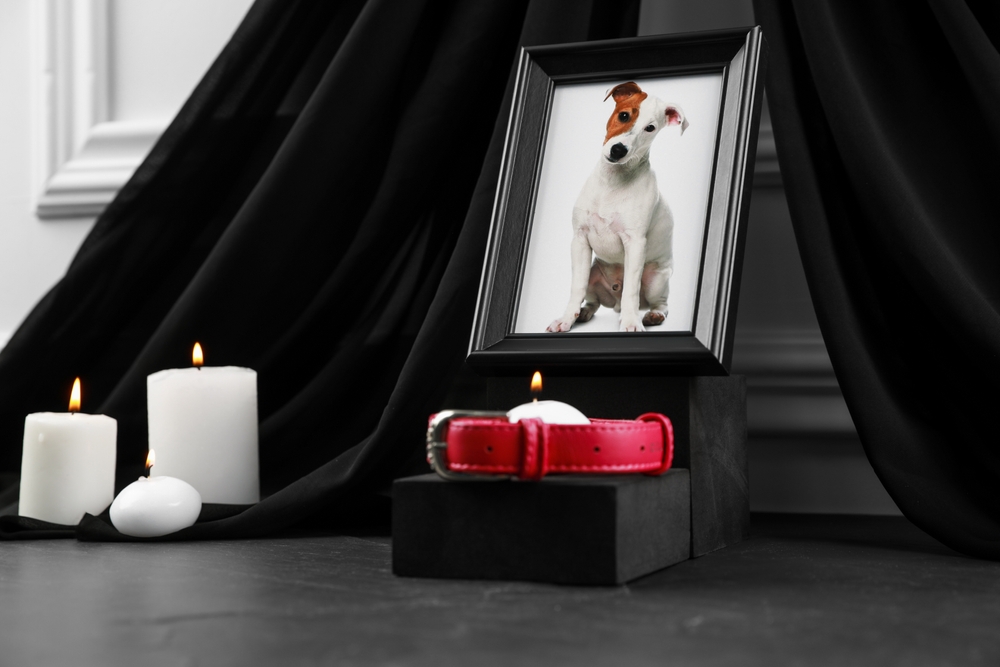
The loss of a pet is a profound and deeply personal experience, yet it is often minimized or dismissed by society. For many, pets are more than just animals; they are cherished companions, sources of unconditional love, and integral members of the family. Their passing can leave an emotional void that rivals, or even exceeds, the grief felt after the loss of a human loved one. Despite this, pet loss is frequently undervalued as a “real” loss, leading grieving pet owners to feel isolated or misunderstood.
This societal gap in acknowledging the significance of pet loss extends into counseling and mental health support. While grief counselors are well-trained to address the loss of a spouse, child, or friend, the unique challenges associated with pet bereavement are often overlooked. This lack of recognition can leave pet owners without adequate tools or guidance to process their grief. Addressing this issue is not just about compassion—it is about acknowledging the depth of the human-pet bond and ensuring that those in mourning receive the validation and support they deserve.

The Emotional Bond Between Humans and Pets
The relationship between humans and their pets is often described as one of the purest forms of connection. Pets are companions, confidants, and constant sources of unconditional love. For many, their pets are woven into the fabric of their daily lives, providing emotional support, routine, and even a sense of purpose. This bond is not just sentimental; it has roots in biology and psychology, as studies show that interactions with pets can lower stress hormones, reduce feelings of loneliness, and even improve cardiovascular health.
Unlike relationships with humans, the bond with a pet is typically free from the complexities of conflict or judgment. Pets offer unwavering loyalty and acceptance, creating a safe space for their owners to express vulnerability. This dynamic deepens the emotional attachment and, consequently, the grief experienced when a pet passes away.
For many individuals, pets fill roles that might otherwise be occupied by human relationships, such as acting as surrogate children, companions for the elderly, or emotional anchors for individuals living alone. This profound connection amplifies the impact of their loss, making it comparable to losing a family member. Despite this, the depth of grief tied to losing a pet is often misunderstood or underestimated, leaving many bereaved pet owners feeling invalidated in their pain.
Grief Associated with Pet Loss
The grief that follows the death of a pet is uniquely challenging and often underestimated. Unlike the structured and socially supported grieving processes associated with the loss of a human loved one, pet owners are frequently left to navigate their emotions in isolation. This isolation is compounded by societal attitudes that tend to diminish the significance of pet loss, labeling it as trivial or “not as serious” as human loss. As a result, grieving pet owners may suppress their emotions or feel embarrassed to seek support, which can lead to unresolved grief or even long-term emotional distress.
The psychological effects of losing a pet can be profound. Many pet owners report feelings of intense sadness, guilt, and even anger. For some, the loss triggers depressive symptoms, especially if the pet played a pivotal role in their emotional well-being or daily routine. This is particularly true for individuals who relied on their pets for emotional support, such as those with mental health conditions or people living alone. The guilt often stems from decisions surrounding euthanasia, accidents, or feeling as though they could have done more for their pet. This emotional turmoil can linger, making the grieving process more complex and deeply personal.
What makes pet loss grief even harder to cope with is the lack of societal rituals or acknowledgment. When a human loved one dies, there are funerals, memorials, and structured periods of mourning that provide closure and communal support. In contrast, pet owners rarely receive such recognition, leaving them to grieve without the societal validation that their loss is significant. The absence of these rituals can delay healing and exacerbate feelings of loneliness and disenfranchisement. Addressing this gap is crucial for normalizing the grief associated with pet loss and offering those affected the validation they need to heal.

The Role of Counselors in Supporting Pet Owners
Counselors have a vital role in helping individuals navigate the often-overlooked grief of pet loss. While most mental health professionals are trained to handle traditional forms of bereavement, the unique challenges of pet loss often require a nuanced and empathetic approach. Recognizing the deep emotional bond between pets and their owners is the first step in providing meaningful support. Counselors must understand that for many, pets are not just companions—they are family members whose absence creates a significant void.
One of the most effective ways counselors can support grieving pet owners is by validating their emotions. Grieving individuals often hear dismissive comments like, “It was just a pet,” which can make them question the legitimacy of their feelings. Counselors can counteract this by affirming that pet loss is a real and valid source of grief, comparable to other forms of loss. Encouraging clients to share memories of their pets or express their feelings without judgment can help them process their emotions and begin healing. Acknowledgment and validation can go a long way in easing the guilt or shame that grieving pet owners often feel.
Counselors can also adapt traditional grief counseling techniques to address pet loss. Techniques such as narrative therapy, where clients recount stories and memories of their pets, can be particularly effective in helping them find closure. Additionally, creating rituals, such as writing a letter to the pet or holding a small memorial, can provide a sense of finality and honor the pet’s role in the client’s life. By fostering a safe and compassionate space for grieving pet owners, counselors can help their clients move through their loss and integrate the memory of their pet into their ongoing lives in a healthy and constructive way.
Ultimately, counselors have an opportunity to fill the societal gap that often leaves grieving pet owners unsupported. With empathy, tailored approaches, and a willingness to recognize pet loss as significant, mental health professionals can make a meaningful difference in their clients’ healing journeys.
Current Barriers to Addressing Pet Loss Grief
Despite the profound emotional impact of losing a pet, several barriers prevent pet loss grief from being adequately recognized and addressed. One significant obstacle is societal stigma. Pet loss is often dismissed as insignificant compared to the death of a human loved one, with phrases like “it was just a dog” or “you can always get another pet” undermining the depth of the grief. This stigma pressures grieving pet owners to suppress their emotions, fearing judgment or ridicule for expressing their pain. As a result, many suffer in silence, unable to seek the support they need.
Another barrier lies in the lack of professional training for mental health practitioners in this area. While grief counseling is a well-established field, specific training or resources for addressing pet-related bereavement are rare. Counselors may feel ill-equipped to handle the unique nuances of this type of grief, leading to gaps in care. Without proper understanding, even well-intentioned professionals may inadvertently dismiss or downplay a client’s feelings, further exacerbating their sense of isolation.
Additionally, there is a notable lack of societal rituals and institutional support for those grieving the loss of a pet. When a person loses a human loved one, there are structured grieving processes such as funerals, bereavement leave, and community acknowledgment of the loss. Pet owners, on the other hand, are rarely afforded the same opportunities for closure. Employers are unlikely to provide time off, and friends or family may not understand the depth of the grief. This absence of external validation creates a void that can prolong the healing process and leave grieving individuals feeling as though their loss is invisible or unworthy of acknowledgment.
Overcoming these barriers requires a cultural shift in how we view and support those grieving the loss of a pet. By addressing stigma, enhancing professional training, and creating spaces where pet loss is recognized and respected, society can begin to validate the profound impact pets have on our lives and the legitimate grief their loss can cause.
The Way Forward: Recognizing Pet Loss as Valid Grief
To ensure pet loss grief is taken seriously, society and mental health professionals must work together to create a more compassionate and supportive environment. One crucial step is education and awareness. By increasing public understanding of the deep emotional bonds people form with their pets, we can challenge the dismissive attitudes that currently surround pet bereavement. Sharing personal stories, scientific research, and expert opinions can help validate the grief experienced by pet owners, fostering empathy and understanding within communities.
Mental health professionals also need specialized training to address the unique aspects of pet loss grief. This could include integrating pet bereavement into counselor education programs or offering workshops focused on helping clients process this specific type of loss. Techniques such as creating personalized memorial rituals, writing therapy, or guided discussions about the pet’s role in the client’s life can be invaluable in helping individuals navigate their grief. Providing counselors with these tools not only enhances their ability to support grieving pet owners but also sends a message that this form of grief is worthy of professional attention.
Additionally, society must develop more formalized ways to acknowledge and honor pet loss. Employers, for example, could offer bereavement leave for pet loss, recognizing its emotional toll on their employees. Pet memorial services or community events to celebrate the lives of beloved animals could provide grieving individuals with a sense of closure and validation. Support groups specifically for pet loss could also offer a space for individuals to share their feelings without fear of judgment, helping them feel less isolated in their grief.
Ultimately, the way forward requires a cultural shift that recognizes the profound role pets play in our lives and the legitimacy of the grief their loss causes. By validating and addressing pet loss grief at both the societal and professional levels, we can ensure that no one feels alone or dismissed during one of the most emotionally challenging times of their lives. This shift isn’t just about acknowledging the pain of pet loss—it’s about honoring the love and connection that make that loss so significant.
Honoring the Love, Validating the Loss
The death of a pet is far more than the loss of an animal; it is the loss of a cherished companion, a family member, and often a source of unconditional love. Despite the profound emotional impact, pet loss is still frequently misunderstood and dismissed, leaving grieving individuals to navigate their pain without the validation or support they need. This gap in understanding not only perpetuates societal stigma but also deprives pet owners of the tools to process their grief in healthy and meaningful ways.
Counselors and mental health professionals are uniquely positioned to change this narrative. By recognizing pet loss as a legitimate form of grief and equipping themselves with the skills to address it, they can provide the validation and guidance that grieving pet owners so often lack. At the same time, society as a whole must shift its perspective, moving away from dismissive attitudes and toward compassion and empathy for those mourning their pets. Whether through increased public awareness, better professional training, or the creation of rituals and resources to honor lost pets, these changes can help normalize pet loss as a significant and valid experience.
As we work toward greater acknowledgment of the human-pet bond, we are not only addressing an overlooked form of grief but also celebrating the deep love and connection that pets bring into our lives. By taking pet loss more seriously, we honor not just the pets we have lost but also the enduring impact they have on our hearts and well-being.