
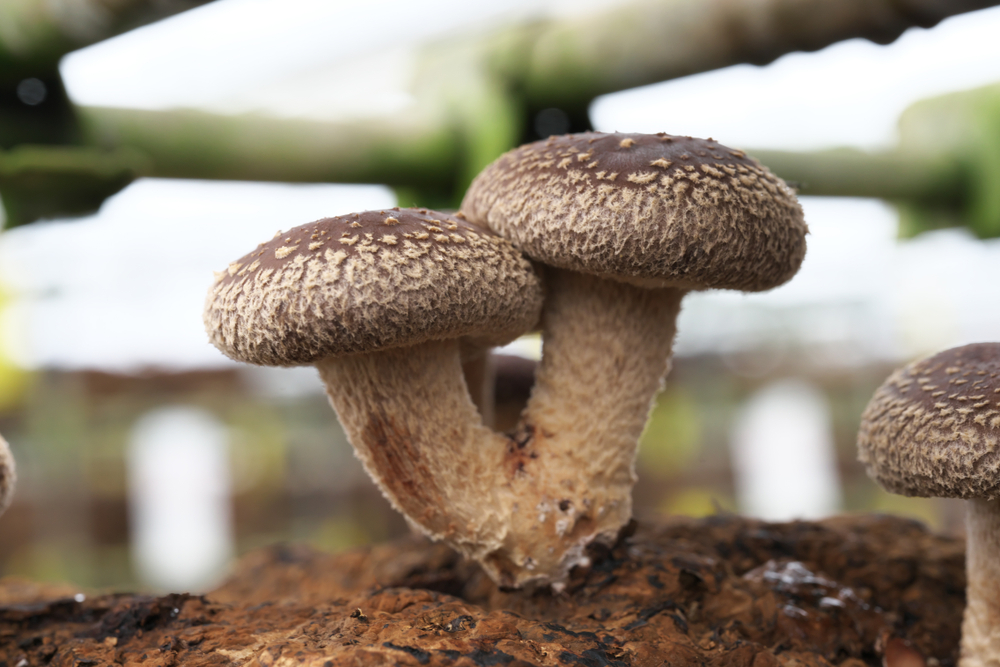
In an extraordinary blend of science, health, and sustainability, researchers have accomplished something once thought impossible, they have built a functional computer using shiitake mushrooms. These fungi, celebrated for their nutritional and medicinal value, are now demonstrating their potential to transform the world of computing. This fascinating fusion of biology and technology highlights how natural intelligence can be harnessed to design systems that are efficient, adaptive, and environmentally friendly.
Scientists have discovered that the root-like networks of shiitake mushrooms, known as mycelium, can conduct electricity and even store information. These networks behave much like neural pathways in the human brain, adapting to electrical signals and strengthening their connections over time. This property opens the door to the development of living, self-repairing computers that mirror the adaptability and resilience of living organisms.
The creation of mushroom-based computers represents more than a technological advancement. It symbolizes a future where innovation works in harmony with nature. It offers a glimpse into how biological intelligence could lead to computing systems that grow, heal, and evolve, all while minimizing environmental impact.

The Traditional Power of Shiitake Mushrooms in Health and Wellness
Long before they entered the world of computing, shiitake mushrooms held a revered place in traditional medicine. For centuries, they have been valued in East Asian cultures for their remarkable health-promoting properties. These mushrooms are rich in essential nutrients, antioxidants, and bioactive compounds that support overall well-being.
Modern science has confirmed many of these traditional beliefs. Shiitake mushrooms contain compounds such as lentinan, eritadenine, and beta-glucans that boost the immune system, lower cholesterol, and promote heart health. They also have strong anti-inflammatory and antiviral properties, making them a valuable ally in preventive medicine.
Their health benefits extend beyond immunity and cardiovascular care. Shiitake mushrooms are also known to support healthy skin, enhance energy levels, and protect against oxidative stress. This combination of nourishing and protective effects explains why they have been a cornerstone of both culinary and medicinal traditions for generations. Today, their healing legacy continues, only now it is expanding beyond the body to influence the very systems that power modern technology.
Mycelium: Nature’s Living Network and the Foundation of Fungal Computing
The mycelium network of shiitake mushrooms is often called nature’s communication web. It forms a vast underground network that connects plants, trees, and soil organisms, facilitating the exchange of nutrients and information. Scientists from the University of the West of England discovered that this same natural intelligence can be adapted for computing purposes.
According to reports, the team cultivated shiitake mycelium under laboratory conditions to form dense, interwoven mats of fibrous threads. These threads are capable of carrying tiny electrical impulses, similar to those transmitted between neurons in the human brain. When researchers applied electrical signals, the mycelium adjusted its pathways to improve conductivity, showing behavior that resembled learning.

This remarkable adaptability, known as plasticity in neuroscience, allows fungal networks to strengthen their electrical pathways over time. In essence, the mushroom network was learning to transmit signals more effectively. This biological capability can serve as the foundation for memory and logic operations in organic computers. It shows that nature holds the potential to teach us how to create systems that mirror our own biological adaptability and healing.
The same regenerative power that enables fungi to repair themselves in nature is what gives mushroom-based computers their resilience. This quality not only parallels the human body’s healing processes but also demonstrates the profound connection between life, health, and technology. It inspires a deeper appreciation for how biology and innovation can work together to support both technological and physical vitality.
The Science and Process of Creating a Living Computer
The process of making a mushroom computer begins with cultivation. Shiitake spores are grown in a carefully controlled environment with ideal temperature, humidity, and nutrients. This encourages robust mycelium growth, which forms the base of the computing material. Researchers then attach electrodes to the mycelium network to measure and guide electrical activity.
When voltage is applied, the mycelium’s conductive fibers transmit small electrical currents. These currents travel along natural pathways that change based on the intensity and frequency of stimulation. Over time, these adaptations create memory-like patterns, which are crucial for computation. Scientists record changes in conductivity, allowing them to identify how the fungus processes and stores information.

Scientists explains that these fluctuations in electrical resistance can represent binary information, similar to the zeroes and ones used in traditional computers. However, unlike metal circuits, these living circuits are dynamic, responsive, and capable of self-repair. They can even continue to function after minor physical damage, as the mycelium naturally grows back to reconnect broken pathways.
The result is a biological computing system that is energy-efficient, sustainable, and alive. It offers a potential model for developing computers that can grow, adapt, and regenerate without harmful environmental consequences. This research highlights the extraordinary capacity of living organisms to replace mechanical parts with natural intelligence. It further suggests that future health-oriented technologies could be grown in laboratories just as easily as they are harvested in nature.
Mushrooms, Medicine, and Microcircuits: A Shared Philosophy of Healing
For thousands of years, shiitake mushrooms have been used in holistic medicine for their restorative effects. Modern science confirms that compounds like lentinan, eritadenine, and beta-glucans found in these mushrooms can strengthen the immune system, reduce cholesterol, and combat inflammation. This connection between healing and resilience also lies at the heart of mushroom computing.
Just as shiitake mushrooms help balance the body’s internal systems, their mycelium networks balance the flow of electrical energy within a biological computer. Researchers are finding that the parallels between human physiology and fungal intelligence go far beyond metaphor. Both systems communicate through electrical impulses and chemical signals to maintain harmony and respond to challenges.
Mycelium-based computing could also inspire medical technologies that are compatible with living tissue. Because mycelium is biocompatible and biodegradable, it can potentially be used in medical devices, implants, and biosensors that integrate naturally with the human body. Such devices could monitor health in real time or even help the body heal by promoting cell growth and tissue regeneration.
Further studies note that fungal networks can sense light, chemicals, and touch, meaning they could serve as biological sensors capable of responding to environmental or biological changes. This opens up exciting possibilities for medical diagnostics and sustainable health technologies that work with nature instead of against it.

Sustainable Computing for a Healthier Planet
Our dependence on silicon-based technology has created an environmental burden, from mining and manufacturing to electronic waste. Millions of tons of toxic materials end up in landfills every year, contaminating ecosystems and affecting global health. Mushroom-based computers present a solution that aligns innovation with sustainability. They also represent a new path toward a healthier planet where technology grows in harmony with nature rather than depleting it.
Unlike traditional devices, mushroom computers are cultivated rather than manufactured. They require minimal energy, produce no hazardous waste, and decompose naturally at the end of their life cycle. This makes them an ideal example of closed-loop design, where every part of the process contributes to ecological renewal. Researchers believe that this model could inspire industries beyond computing, encouraging circular systems in construction, medicine, and materials science.

Reducing electronic waste could have far-reaching benefits for human health. Lower pollution levels mean cleaner air and water, fewer toxins in food systems, and improved overall well-being. Mushroom computing represents not only a technological advancement but a movement toward restoring planetary balance. This shift also aligns with the growing emphasis on preventive health by reducing exposure to harmful chemicals and pollutants that contribute to disease.
Furthermore, integrating mycelium computing with artificial intelligence and robotics could create systems that support sustainable living. Machines built from organic materials could assist with agriculture, environmental cleanup, and urban planning while reducing the environmental footprint of our digital infrastructure. Such innovations may also provide opportunities to design health-monitoring ecosystems that track environmental and biological data together, ensuring a more connected approach to human and planetary wellness.
The Future of Fungal Intelligence and Human Health
The creation of mushroom-based computers is more than a scientific breakthrough; it is a symbol of how health, nature, and technology can work together. By studying fungi, we gain insight into sustainable intelligence that benefits both humans and the environment.
Future research may lead to the development of hybrid systems combining organic and digital intelligence. These could include smart prosthetics that respond to neural impulses, medical implants that grow with the body, and eco-conscious devices that decompose harmlessly when no longer needed. Mushroom-based technologies could even be used to monitor ecosystems, acting as natural guardians of the planet’s health.
As this field grows, the line between living organisms and machines continues to blur. Fungal networks teach us that intelligence is not exclusive to humans or computers but exists throughout life itself. The resilience, adaptability, and healing power of shiitake mushrooms serve as a reminder that the solutions to our greatest challenges may already exist in nature.
The shiitake mushroom’s journey from superfood to supercomputer captures the essence of this new paradigm. It shows that true innovation is not about dominating nature but collaborating with it, creating a future where technology supports life in all its forms.
