
On the coldest night of winter, the world outside is frozen and still. Yet inside, warmth wraps around you, not from a fire or furnace but from something far more unexpected. Far from land, on a silent stretch of ocean, fresh water trickles into a cup. No machines roar and no engines churn, only the sun overhead.
These moments sound like fiction, yet they once existed. They were made possible by a mind that dared to see the sun as more than light in the sky and whose vision might just hold answers we need today.
The Sun Queen Who Built a House That Heated Itself
After World War II, the United States seemed unstoppable. Factories roared back to life, cities grew taller, and technology promised a brighter tomorrow. Yet the glow of progress came with a shadow. The air carried the bitter tang of smoke, coal dust clung to hands and lungs, and the idea of breaking free from fossil fuels felt almost impossible.
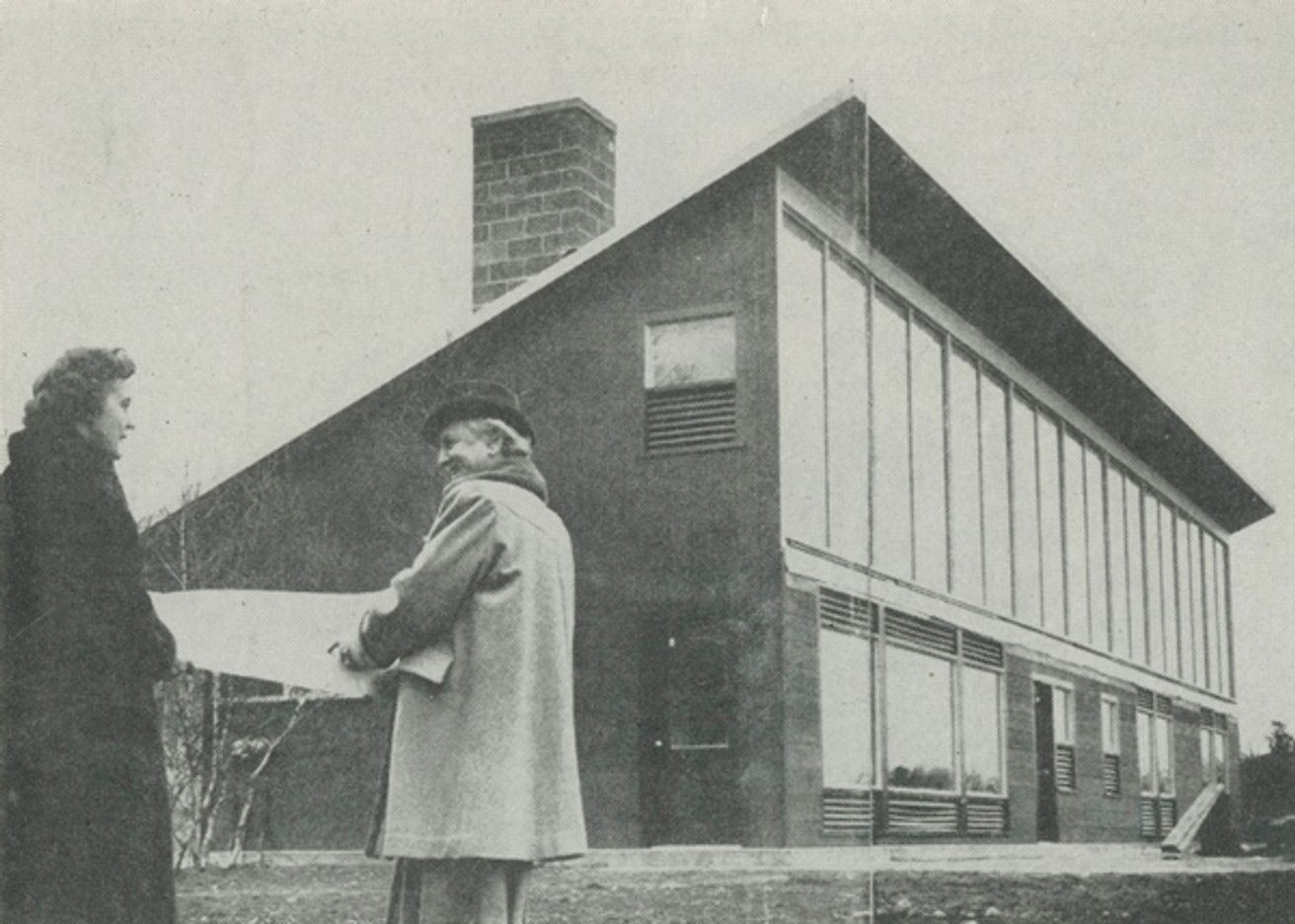
In 1948, one woman refused to accept that future. Mária Telkes, a Hungarian-born scientist with an unshakable belief in the sun’s potential, decided to prove that warmth and comfort could come without burning a single lump of coal. Alongside architect Eleanor Raymond and philanthropist Amelia Peabody, she designed a home in Massachusetts that seemed to catch sunlight in its walls and release it in the depths of winter.

People called her the “Sun Queen,” not for wealth or title, but because she had found a way to capture the most ancient energy source on Earth and turn it into shelter. Using an everyday chemical called Glauber’s salt, she created a system that stored solar heat and released it when the world outside turned icy. It wasn’t just a house. It was a bold statement that energy could be clean, elegant, and within reach for everyone.
And in that moment, long before “renewable” became a buzzword, she showed that the future had already arrived.
The Winter Home That Ran on Sunshine and Salt
In the winter of 1948, a quiet corner of Dover, Massachusetts became the stage for a daring experiment. Mária Telkes, armed with her relentless belief in solar power, joined forces with architect Eleanor Raymond and philanthropist Amelia Peabody to build a home that defied convention. The promise was almost unbelievable for its time: stay warm through the harshest New England winters without a single shovel of coal, a drop of oil, or a whiff of gas.

The south wall of the house gleamed with towering glass panels, angled toward the low winter sun. Behind them, sunlight poured into hidden chambers holding 3,500 gallons of Glauber’s salt in sealed metal drums. During the day, the salt melted, locking away the sun’s heat. At night, as it solidified, it released that stored warmth, enough to keep the house comfortable even through stretches of cloudy weather. For two winters, Telkes’s cousins lived inside, wrapped in this quiet solar experiment.
The press fell in love with the idea. Popular Science called it something that “might represent a more important scientific development than the atom bomb.” Visitors swarmed to see it for themselves, and as Andrew Nemethy, who grew up in the home, remembered, it drew “3,000 visitors — society matrons, club members, reporters, and curious civilians — until tours were suspended.”
But no breakthrough is without its struggles. The fans that pushed warm air through the house quietly drove up the electric bill. Over time, the Glauber’s salt began to separate into layers of liquid and solid, corroding the drums until they leaked. Nemethy recalled the winter the system failed: “After week-long strings of cloudy days, indoor temperatures sank to panic levels. My mother complained, and we soon had electric heaters in all the rooms.”

Even with its flaws, the Dover Sun House was a bold step into a future most people couldn’t yet imagine. For a brief, shining moment, it proved that a home could work with nature rather than against it, drawing life from the same sun that rises for us all.
The Many Ways the Sun Saved the Day
Long before the world began talking about “sustainability,” Mária Telkes was proving that the sun could save lives.
During World War II, she designed a portable solar distiller no bigger than a suitcase. Stranded pilots and sailors could place it on a life raft, let the sun work, and turn seawater into something safe to drink. No fuel, no moving parts, only sunlight, glass, and survival. Thousands of these distillers were carried by U.S. military crews, and the same simple design could bring clean water to remote villages where wells had run dry.
Her mind never stayed still for long. By 1953, Telkes had moved from survival to the kitchen. With funding from the Ford Foundation, she created a solar oven that reached 200°C using nothing more than mirrors, glass, and insulation. It was smoke free, cost little to build, and needed no wood or coal. It became a gift for rural families where fuel was scarce and cooking fires meant hours of labor.
Two decades later, she stepped into another first. At the University of Delaware, she helped design Solar One, the first house in the world to generate both heat and electricity entirely from the sun. It ran year round without a drop of fossil fuel, showing that clean energy could power not just a moment, but a way of life.
For Telkes, invention was never about distant dreams. It was about solving the problems people faced that very day, whether on a life raft, in a village kitchen, or in a home built for the future. She believed the sun could do more than light our days. It could change how we live them.
What Happens When Communities Own Their Power
In places where the power grid does not reach, energy is more than convenience. It is survival. Without it, nights are darker, water is harder to come by, and opportunities are out of reach. But in these same places, the sun is stepping in, offering light, connection, and a way forward.
Deep in Peru’s Amazon, Indigenous leaders are bringing solar power to their own communities. Schools that once sat in darkness now glow after sunset. Students can access the internet for the first time. One project, called Aylluq Q’Anchaynin, which means “the energy of the community” in Quechua, is transforming life in the remote village of Alto Mishagua, proving that sunlight can carry culture and connection as much as it carries power.
In Goma, a city in the Democratic Republic of Congo, a 1.3 megawatt solar minigrid now runs water treatment facilities, phone charging stations, and local businesses. It has kept working through conflict, reduced dependence on diesel generators, and inspired similar efforts across the region. For residents, it is more than electricity. It is stability in uncertain times, a seed for peace and economic growth.
And in Mali’s village of Karan, the glow of solar lights means the streets feel safer, shops stay open, and bakeries hum with life. Gamers gather in the evening, entrepreneurs take charge of their own power systems, and electricity costs have fallen sharply.
These stories share the same truth. When solar power is shaped by local hands and rooted in the needs of the community, it becomes more than energy. It becomes inclusion, safety, and the freedom to imagine a different future.
Simple Ways to Bring Solar Power Into Your Life
You don’t need a science lab or a government grant to start harnessing the sun. Small, everyday changes can lower your energy costs, reduce your environmental footprint, and help you understand the benefits of solar power firsthand.
- Try a Solar Charger: Portable solar chargers for phones, tablets, and small devices are affordable and easy to use. They’re perfect for camping trips, travel, or simply keeping your devices charged without plugging into the grid.
- Install Solar Lights: Swap out garden or pathway lights for solar-powered versions. They store energy during the day and light up your evenings without adding to your electric bill.
- Use a Solar Oven for Cooking: You can purchase a ready-made solar cooker or even try building one yourself. Solar ovens use reflective panels to focus sunlight, letting you bake, roast, or heat food without gas or electricity.
- Dry Clothes in the Sun: It’s one of the oldest solar tricks around. Sun-drying your laundry saves energy, gives clothes a fresh scent, and reduces wear from machine dryers.
- Join or Support Community Solar Projects: Many towns now offer shared solar programs where residents can buy or subscribe to part of a solar array and receive credit on their electricity bills. It’s a way to benefit from solar power even if you can’t install panels on your own roof.
- Switch to Solar Water Heating: Solar water heaters use the sun’s energy to warm water for your home. They can reduce your energy consumption significantly, especially in sunny regions.
- Start a Solar Fund Jar: If you dream of adding larger solar systems to your home, start setting aside a small amount each month. Even modest savings can go toward panels, heaters, or solar appliances over time.
By taking these steps, you’re not just cutting costs — you’re becoming part of a growing shift toward clean, renewable energy that supports both the planet and local communities.
A Future Written in Sunlight
From Mária Telkes’s salt-filled walls to modern solar grids lighting villages at night, the story of solar energy is really a story about human imagination. It begins with a simple truth, the sun rises every day, and grows into a movement that can change how we live, work, and care for the planet.
Solar power is no longer an experiment locked in a lab or a curiosity on a single rooftop. It is in the hands of teachers in the Amazon, shopkeepers in Mali, and engineers in cities around the world. It is shaping a future where clean water, safe streets, and affordable power are not privileges, but everyday realities.

The legacy of the “Sun Queen” is a reminder that progress does not always come from waiting for tomorrow. Sometimes, it comes from looking up, seeing what has been there all along, and deciding to use it. The sun has been ours since the beginning. The question is, what will we do with it next?
Featured Image from Architectuul under CC BY-SA 3.0
