
Nature has perfected the art of disguise. From dense forests to the ocean floor, countless species have evolved remarkable camouflage abilities, allowing them to remain undetected by both predators and prey. Some are so well-hidden that even the most observant eyes might struggle to spot them.
Do you have the vision of a skilled tracker? Put your observation skills to the test by trying to find the cleverly concealed creatures in the images ahead. Some may be easier to detect, while others might challenge even the most eagle-eyed among us. One of the most difficult challenges? Spotting the two lizards blending seamlessly into their surroundings. Think you can do it? Let’s find out.
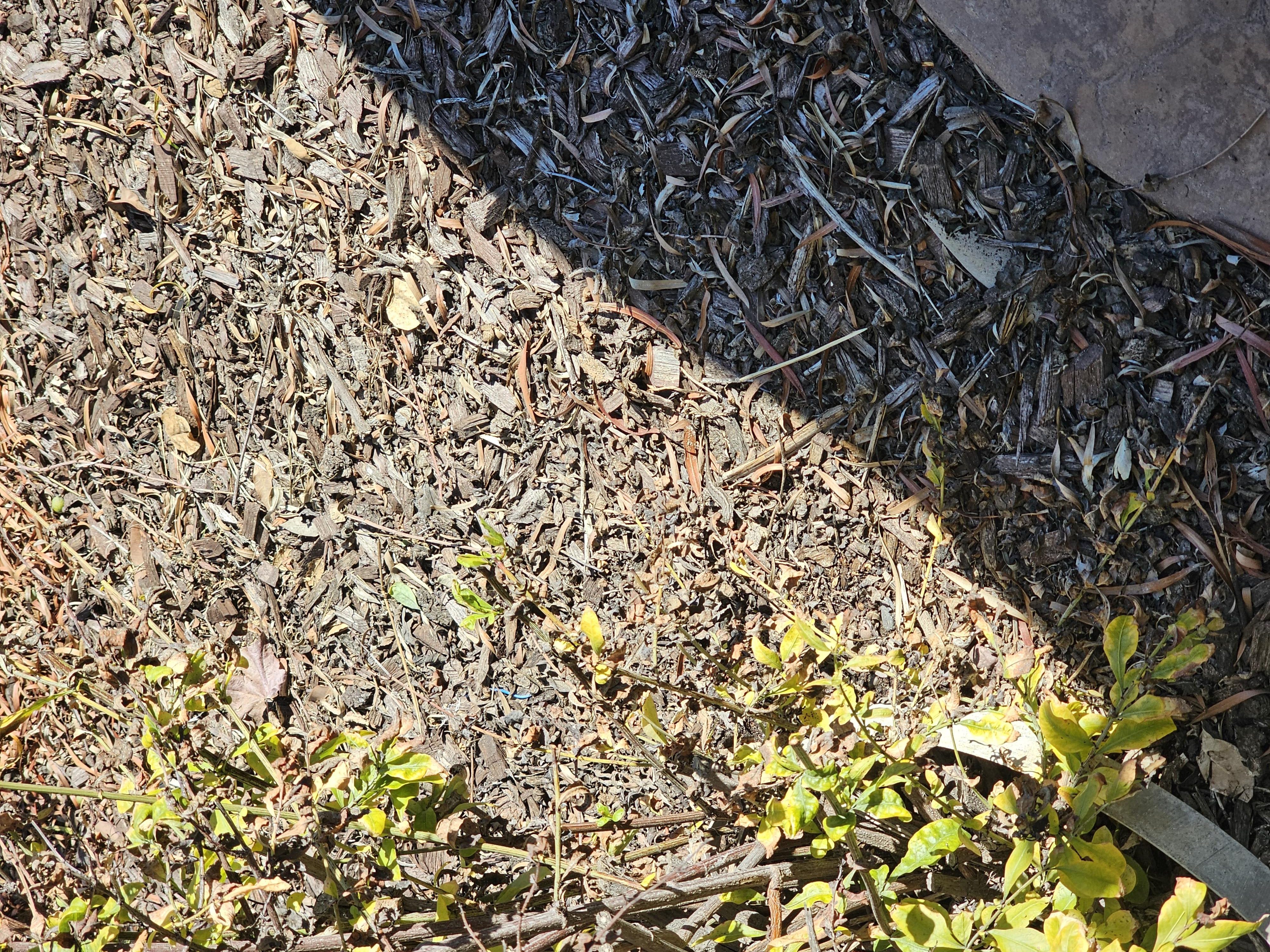
Can You Spot the Two Lizards?

At first glance, the scene before you may seem like an ordinary patch of ground, scattered with leaves, twigs, or tree bark. But look a little closer—somewhere within the natural textures and earthy tones, two lizards are hiding in plain sight. Only those with a keen eye for detail can distinguish them from their surroundings.
Lizards are masters of disguise, relying on their environment to stay hidden from predators and unsuspecting prey. Some species, such as the leaf-tailed gecko, have evolved skin patterns that mimic dried leaves, moss, or even tree bark. Others, like chameleons, can subtly shift their coloration to better match their immediate surroundings. This natural camouflage is not just for survival; it also plays a key role in ambushing prey without being noticed.
So, can you find the two lizards? Take a moment to scan the scene carefully—observe the shapes, patterns, and textures that might look just a little too perfect. If you manage to spot both, congratulations! You might just have the sharp eyesight of a true predator.
More Hidden Wonders: Can You Spot These Masters of Disguise?
Camouflage isn’t just a survival trick—it’s an art perfected by countless species across different habitats. From the forest floor to the ocean depths, these animals have evolved incredible adaptations that allow them to stay hidden in plain sight. Think you’ve sharpened your spotting skills? Here are more creatures that take blending in to the next level.
1. Just a Pile of Leaves?

At first glance, you might think you’re looking at nothing more than a cluster of leaves. But hidden among them are three leaf insects (Cryptophyllium westwoodii), perfectly camouflaged against the wooden branches they cling to. These insects, native to Asia, have evolved a body structure that mimics leaves down to the finest details, including leaf veins and jagged edges that make them indistinguishable from real foliage.
This incredible disguise serves a crucial purpose—staying hidden from predators. Even when disturbed, leaf insects use a gentle swaying motion to imitate the movement of leaves in the wind, reinforcing their deception. Only the most observant eyes can spot them before they disappear into the greenery once again.
2. Something’s Hiding in the Coral. Can You See It?

Some of the ocean’s best-hidden creatures are no larger than a fingernail. One of them is the pygmy seahorse (Hippocampus bargibanti), a tiny marine marvel measuring just 0.8 inches (2 cm) in length. These minuscule seahorses are so well-camouflaged that they weren’t discovered until scientists were studying the coral they were hiding in.
Their bodies are covered in textured tubercles that match the surrounding coral, creating an almost seamless blend. This disguise is critical for their survival, as it keeps them safe from predators while they drift in the ocean currents. If you ever go scuba diving in their natural habitat, spotting one of these elusive creatures is a true feat of perception.
3. Watch Your Step—That’s Not a Rock!

Camouflage isn’t always about hiding from danger—sometimes, it’s about being the danger. The stonefish (Synanceia verrucosa), the world’s most venomous fish, lurks in shallow tropical waters, its rough, bumpy skin making it nearly indistinguishable from surrounding coral and rock formations.
This natural disguise allows the stonefish to ambush unsuspecting prey while also protecting it from predators. However, its camouflage poses a risk to humans as well—many unfortunate swimmers have accidentally stepped on stonefish, triggering the release of venom that can cause excruciating pain, paralysis, and, in severe cases, even death. If you’re exploring rocky seabeds, keep an eye out—this hidden predator is not one to be overlooked.
4. A Tiny Shadow Against the Bark

In the dense forests of North and Central America, a tiny bird expertly camouflages itself against tree trunks—the brown creeper (Certhia americana). Its mottled brown and white feathers allow it to disappear against the bark of tall trees as it spirals up and down searching for insects to eat.
Brown creepers rely on their coloration to avoid detection by both predators and prey. Their foraging technique—climbing tree trunks in a methodical, spiraling motion—adds to their ability to stay hidden. Even experienced birdwatchers often struggle to spot them unless they catch a glimpse of movement against the tree.
5. Silent Stalker: The Elusive Bobcat

Camouflage isn’t just for small creatures—it’s also a powerful advantage for larger predators. The bobcat (Lynx rufus), a quiet yet formidable hunter, uses its speckled, earth-toned fur to blend into the tall grass and wooded areas where it stalks its prey.
Bobcats are patient predators, relying on their natural camouflage to get as close as possible to unsuspecting rabbits, birds, and rodents before launching a swift and decisive attack. Their ability to remain unseen is what makes them such effective hunters—sometimes, even in broad daylight, they are nearly invisible to the untrained eye.
Why Camouflage Matters in the Animal Kingdom
For animals, the ability to blend into their surroundings is more than just a clever trick—it’s a matter of life and death. Whether they are prey avoiding hungry predators or hunters lying in wait for an unsuspecting meal, camouflage plays a vital role in survival.
Many prey animals, like leaf insects and woodland birds, use camouflage to avoid being detected. Their survival depends on staying hidden, often remaining completely motionless to avoid drawing attention. Predators, on the other hand, use camouflage to their advantage in a different way. Creatures like stonefish and bobcats rely on their ability to go unnoticed until the perfect moment to strike.
However, human activity is beginning to disrupt this delicate balance. Deforestation, climate change, and urban expansion are altering landscapes, making it harder for these animals to remain hidden in their natural environments. As habitats change, some species struggle to adapt, making them more vulnerable to threats they once could avoid.
By understanding the role of camouflage in the wild, we can better appreciate the importance of preserving these habitats. Every hidden creature tells a story of evolution, adaptation, and survival—one that reminds us of the incredible ways nature continues to thrive, even in a rapidly changing world.
Can You Spot Them All?
Nature’s camouflage artists are all around us, hiding in the forests, oceans, and even right under our feet. Whether it’s a lizard blending into the dirt, a bird vanishing against tree bark, or a predator lurking unseen in the grass, these creatures have perfected the art of disappearing.
If you managed to spot the hidden animals in these examples, congratulations—you have the keen eyes of a true observer. But if some eluded you, don’t worry. Camouflage is designed to deceive, and even the sharpest eyes can be tricked.
Next time you’re out in nature, take a closer look at your surroundings. What might seem like an empty landscape could be teeming with hidden life, waiting to be discovered. The more we pay attention, the more we realize just how incredible the natural world truly is—and why it’s so important to protect it.
Featured Image Source: Reddit user jumpthewallstreet
