
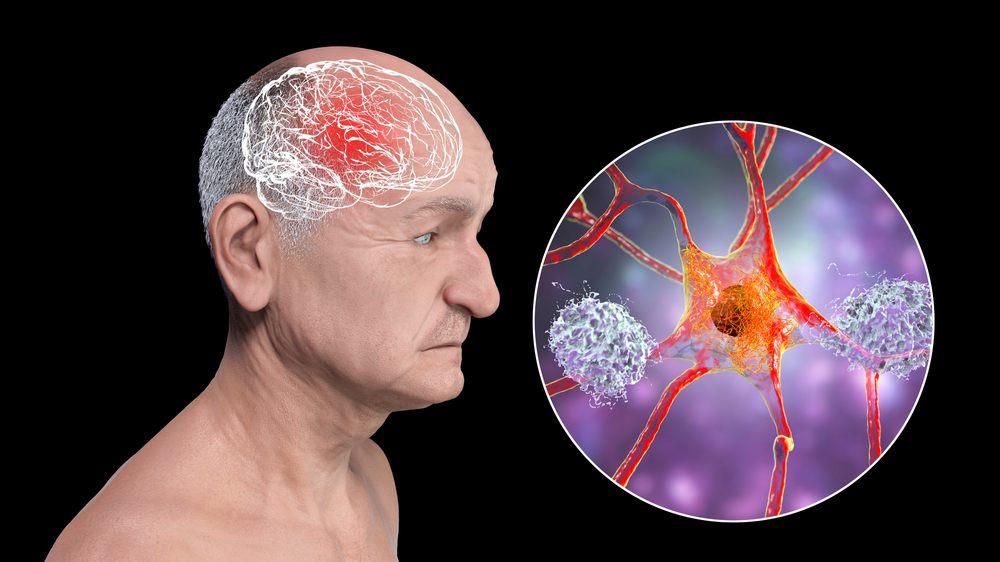
Imagine waking up one morning and not being able to recognize your closest loved ones, or struggling to recall your own memories. For the millions of people around the world living with Alzheimer’s disease, this reality is a constant. Alzheimer’s, a progressive condition that robs individuals of their memories and cognitive abilities, is one of the leading causes of death in older adults, affecting nearly 6 million people in the United States alone. Despite decades of research, effective treatments remain elusive, leaving both patients and families searching for hope.
But what if the solution lies in something that’s been controversial for decades—marijuana? While cannabis has long been associated with recreational use, recent scientific studies are starting to uncover its potential as a medical tool. Could marijuana, in its various forms, offer a breakthrough in the fight against Alzheimer’s disease? Researchers are diving deep into this question, exploring how compounds like THC and CBD might do more than just ease symptoms—they may slow the disease’s progre

How Marijuana Interacts with the Brain

To understand how marijuana could potentially help fight Alzheimer’s disease, it’s important to first take a look at how it interacts with our brain. The secret lies in two powerful compounds found in cannabis: THC (tetrahydrocannabinol) and CBD (cannabidiol). These compounds don’t just sit idly in the brain—they actively influence a complex system known as the endocannabinoid system.
The endocannabinoid system (ECS) is a network of receptors found throughout our body, especially in the brain. It helps regulate a variety of functions, from mood and appetite to memory and pain. Essentially, it plays a role in maintaining balance, or homeostasis, within the body. Both THC and CBD interact with these receptors, but in different ways. THC is the compound most associated with the “high” from marijuana; it binds to the ECS receptors in the brain, affecting areas that control memory, mood, and even how we process pain. On the other hand, CBD doesn’t produce a high but is thought to help regulate THC’s effects, while also contributing its own therapeutic properties, such as reducing inflammation and anxiety.
In the context of Alzheimer’s, researchers are particularly interested in how these compounds might support brain health. Alzheimer’s disease is marked by the accumulation of beta-amyloid plaques, which disrupt communication between brain cells. There’s evidence suggesting that cannabinoids could help clear these plaques or prevent their formation. Additionally, the ECS plays a role in neurogenesis—the creation of new brain cells—which is crucial when considering how to protect and potentially repair brain tissue affected by Alzheimer’s.
In short, marijuana compounds like THC and CBD might do more than just alleviate symptoms; they could play an active role in slowing or even reversing some of the damage done by Alzheimer’s. And while we’re still in the early stages of understanding how this works, the evidence is starting to point in a promising direction.
What the Latest Research Shows: Insights from Clinical Trials
Recent studies are shedding light on how marijuana could become a game-changer in the fight against Alzheimer’s disease. One of the most significant developments comes from a 2024 clinical trial conducted by researchers at Johns Hopkins Medicine. The trial focused on synthetic cannabis and its effects on Alzheimer’s patients, specifically its ability to reduce agitation, a common and challenging symptom of the disease.
Agitation in Alzheimer’s patients can manifest as restlessness, aggression, or unpredictable behavior. This symptom is not only difficult for patients but also burdensome for caregivers and loved ones. According to the research, synthetic cannabis, which includes cannabinoids like THC and CBD, helped ease this agitation without the severe side effects seen in many traditional medications. In fact, many patients showed marked improvements, leading researchers to suggest that cannabis could offer a safe and effective way to manage some of the more distressing symptoms of Alzheimer’s.

But the promise doesn’t stop there. Other studies have looked at the role of cannabinoids in more directly addressing the core cognitive challenges of Alzheimer’s. For instance, research highlighted in a 2019 study published on PubMed Central explored how CBD and THC might help reduce the buildup of beta-amyloid plaques, the toxic clumps of protein that damage brain cells. While THC alone showed some potential in reducing plaque accumulation, when used in combination with CBD, the effects were even more pronounced. This combination of cannabinoids could not only help manage symptoms but also slow the progression of the disease.
These findings point to the possibility that marijuana—through its active compounds—could help Alzheimer’s patients in ways that current medications cannot. Unlike traditional treatments, which mostly focus on temporarily alleviating symptoms without addressing the root causes, marijuana compounds may hold the key to slowing down or even halting the damage done by the disease itself. As clinical trials continue, the excitement about marijuana’s potential in Alzheimer’s care is growing, though researchers emphasize that more studies are needed to fully understand its long-term effectiveness.
What’s Different About Marijuana vs. Current Treatments?

While there’s no shortage of medications designed to manage Alzheimer’s symptoms, the existing treatments often fall short when it comes to providing long-term relief or halting the disease’s progression. Current drugs like cholinesterase inhibitors (e.g., donepezil) and glutamate regulators (e.g., memantine) focus primarily on alleviating memory loss and cognitive decline. However, these medications don’t target the underlying causes of Alzheimer’s, and their effects are often limited to modest improvements. Furthermore, these treatments can come with significant side effects, including nausea, diarrhea, and muscle cramps.
This is where marijuana, particularly its compounds THC and CBD, offers a compelling alternative. Unlike traditional Alzheimer’s treatments, cannabis works on a more holistic level by targeting the brain’s endocannabinoid system, which plays a critical role in regulating memory, mood, and neurogenesis—the process by which new brain cells are formed. Rather than just managing symptoms, cannabinoids like THC and CBD could potentially slow the disease’s progression by reducing inflammation, clearing beta-amyloid plaques, and even stimulating the regeneration of brain cells.
In addition to its neuroprotective effects, marijuana’s ability to reduce agitation in Alzheimer’s patients, as shown in recent clinical trials, gives it an edge over current medications. Agitation is one of the most distressing symptoms of Alzheimer’s, and many existing treatments fail to address it effectively without causing significant side effects. With cannabis, there’s the potential for a more targeted, safer option to help manage both cognitive decline and behavioral symptoms, offering an approach that’s more in tune with the body’s natural processes.
But the real difference lies in how cannabis works on a biological level. While current medications largely aim to manage symptoms through chemical manipulation, cannabinoids seem to have the ability to influence the brain in a way that might offer more lasting relief by tackling the root causes of Alzheimer’s. It’s this comprehensive approach that makes cannabis an exciting potential option for treating the disease.

Challenges and Concerns: The Road Ahead
As promising as the research on marijuana’s potential for treating Alzheimer’s disease may seem, it’s important to acknowledge the challenges and concerns that come with it. While initial clinical trials and studies have shown positive results, this area of research is still in its early stages, and there are several hurdles to overcome before cannabis can become a mainstream treatment.
The Need for More Research
One of the biggest challenges facing the potential use of marijuana in Alzheimer’s treatment is the need for more robust, large-scale clinical trials. Many of the studies so far have involved small sample sizes or have been conducted in lab settings. While these results are promising, they don’t provide enough evidence to conclusively determine the long-term effectiveness or safety of marijuana in treating Alzheimer’s. Researchers are calling for more comprehensive trials to better understand how different cannabinoids—such as THC and CBD—affect the progression of Alzheimer’s over time. Without this data, it’s difficult to know whether the positive effects seen in early studies can be replicated in larger, more diverse populations.
Safety and Dosage Concerns
Another key issue is the safety of marijuana in the context of Alzheimer’s. While THC and CBD are generally considered safe when used in moderation, the correct dosage for Alzheimer’s patients remains unclear. Too much THC, for example, can cause unwanted side effects like confusion, paranoia, or hallucinations, especially in older adults who may already be vulnerable. Researchers are working to determine the optimal dosage that provides therapeutic benefits without triggering adverse reactions. Moreover, because Alzheimer’s patients often take multiple medications, it’s crucial to ensure that marijuana doesn’t interact negatively with these treatments. Finding the right balance will be essential to ensuring that cannabis can be a safe and effective option.
Legal and Ethical Issues
The legal landscape surrounding cannabis also presents challenges. Despite the growing body of evidence supporting its potential benefits, marijuana remains illegal in many regions, particularly for medical use. In countries or states where cannabis is not legalized, conducting research on its effects becomes difficult. Even in places where cannabis use is permitted, regulations around medical marijuana can be complex and vary widely. As a result, access to cannabis-based treatments may be limited for Alzheimer’s patients, creating disparities in care. Additionally, the stigma surrounding marijuana use—stemming from decades of prohibition—may make it harder for patients and healthcare providers to embrace it as a legitimate treatment option.
The Road Ahead
Despite these challenges, there’s a growing optimism that marijuana could play a key role in Alzheimer’s treatment in the future. As research continues to unfold, we may see new formulations of cannabis that target specific symptoms or underlying causes of the disease with fewer side effects. But it’s clear that more work needs to be done before cannabis can be considered a first-line treatment for Alzheimer’s.
For now, the focus remains on gathering more evidence and ensuring that marijuana can be used safely and effectively for those who need it most. The road ahead may be long, but with continued scientific inquiry and the gradual relaxation of legal barriers, the future looks increasingly promising for Alzheimer’s patients seeking new options for care.
The Future of Marijuana in Alzheimer’s Treatment
As research into marijuana’s potential for treating Alzheimer’s disease continues to evolve, the future of cannabis in Alzheimer’s care looks more promising than ever. Though there is still much to learn, the groundwork has been laid for marijuana to potentially become a cornerstone of Alzheimer’s treatment in the coming years.
Scientists and researchers are actively working to expand upon the initial positive results observed in smaller studies. Several clinical trials are already underway, exploring the effects of both THC and CBD on Alzheimer’s patients. These studies aim to provide a clearer picture of how cannabis can slow cognitive decline, reduce inflammation, and perhaps even repair brain damage caused by the disease. Researchers are particularly excited about the possibility of combining THC and CBD, as preliminary findings suggest that these compounds may work synergistically to offer greater benefits than either one alone. As these trials progress, we can expect more concrete answers about whether marijuana can truly alter the course of Alzheimer’s disease.
One of the most exciting areas of future research involves developing targeted cannabis-based treatments specifically designed for Alzheimer’s. Currently, cannabis is mostly used in its raw form—whether as marijuana or in oils and tinctures—but researchers are working on creating more precise formulations that can effectively target the brain areas most impacted by Alzheimer’s. These treatments could be delivered in controlled doses, either as oral medications, topical applications, or even through newer delivery methods such as nasal sprays. Such treatments could help minimize side effects, while maximizing the therapeutic effects of cannabinoids on the brain.
