
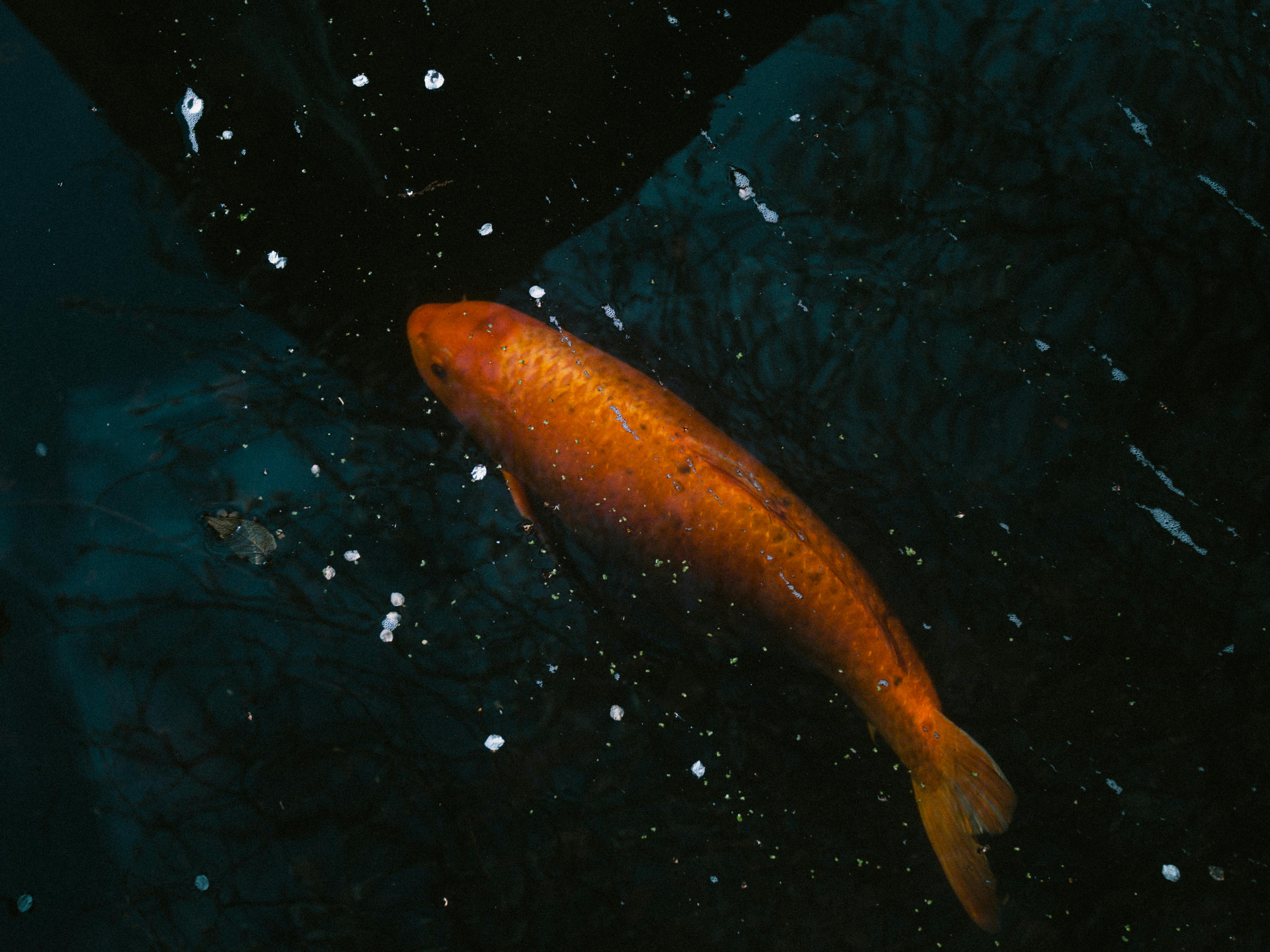
What are the odds of spotting a shark the color of a traffic cone with eyes as pale as glass? For marine biologists, the answer has always been close to zero. Nurse sharks, like many of their relatives, rely on earthy brown tones to stay hidden against reefs and sandy seabeds. Yet off the coast of Costa Rica, fishermen recently pulled up a shark that broke every rule of camouflage, a six-foot nurse shark glowing orange with ghostly white eyes.
Such sightings are vanishingly rare. The condition thought to cause its vivid color, known as xanthism, has only been confirmed in a handful of species worldwide, from goldfish to parrots. It had never before been documented in a shark in the Caribbean. Combined with traits of albinism, this case became more than a surprising catch. It was a first-of-its-kind entry in marine science that raised questions about genetics, survival, and the adaptability of life beneath the waves.
A Shark That Stood Out
The encounter happened during a routine sport fishing trip near Tortuguero National Park on Costa Rica’s Caribbean coast. At first, the fishermen thought they had reeled in an ordinary nurse shark. Instead, they found themselves staring at an animal unlike anything they had seen before, a shark the color of burnished orange with eyes so pale they looked almost translucent.
Nurse sharks (Ginglymostoma cirratum) are usually identified by their broad, flat heads and muted brown or gray skin that blends into sandy seabeds where they rest and hunt. Camouflage is a crucial survival tool, which made this specimen’s vivid hue all the more startling. Measuring over six feet in length, it was also a mature adult, proof that its unusual appearance had not kept it from surviving to that point.
What made the discovery remarkable was not only the visual shock but the biology behind it. Researchers confirmed signs of xanthism, a genetic condition that produces an overabundance of yellow or orange pigment. Even more unusual, the eyes showed features of albinism, creating a rare combination not previously documented in Caribbean sharks. For scientists, the catch was a significant data point for understanding shark genetics and survival.
The Science of Unusual Colors in Nature

Color in the animal kingdom is more than decoration. It often determines how well a species survives. The nurse shark’s orange appearance is linked to xanthism, also called xanthochromism. This condition shifts pigmentation so that yellow and orange hues dominate while reds or browns are reduced or absent. Scientists think xanthism usually stems from genetic mutations that alter pigment pathways, although diet and environmental stress can influence expression as well.
Xanthism has been recorded only rarely across the globe. Freshwater fish such as guppies and goldfish sometimes develop bright yellow morphs. Certain birds, including canaries and parrots, can show golden plumage. Occasional cases appear in reptiles like snakes and lizards. In cartilaginous fish, the group that includes sharks, rays, and skates, confirmed cases had never been reported in the Caribbean until this nurse shark surfaced.
Layered on top of xanthism here is albinism, a condition caused by the absence of melanin, the pigment responsible for darker colors. Albinism often produces pale skin, scales, or fur, and in many animals it leads to light-colored or even red eyes. For this shark, it appeared as ghostly white eyes with no visible irises. Each condition is rare on its own. Together, sometimes called albino-xanthochromism, they are extraordinary.
The convergence of two rare conditions in one animal makes the sighting scientifically valuable. It expands the list of species known to display xanthism and raises broader questions about how pigmentation changes arise and persist in wild populations.
The Survival Puzzle

For most sharks, blending into the background is essential. Nurse sharks typically wear shades of brown or gray that help them rest unnoticed on rocky seabeds or approach prey without being seen. An orange body with white eyes removes that advantage. Brightly colored animals are more visible to both predators and prey, which is why xanthism and albinism are often linked to lower survival rates.
Yet this shark grew to more than six feet long. It hunted, fed, and avoided threats long enough to reach adulthood. How did it manage that without camouflage? Researchers point to the species’ lifestyle. Nurse sharks are benthic feeders that spend much of their time on the seafloor and often hunt at night when visibility is reduced. They eat crustaceans, mollusks, and small fish, prey that may respond more to movement than to color.
Their biology helps as well. Unlike many sharks, nurse sharks can pump water over their gills while resting, so they do not need to swim constantly to breathe. This behavior reduces time spent in open water where predators are more common. By sticking close to the seabed and being active under low light, the orange shark may have minimized the drawbacks of its conspicuous coloration.
Its survival to adulthood matters because it challenges the assumption that pigmentation anomalies are always fatal handicaps. Under certain ecological conditions, even highly visible animals can adapt and do well.
Why Scientists Are Paying Attention

What might look like an oddity at sea is a breakthrough in the lab. This is the first documented case of xanthism in a shark in the Caribbean, which makes it a valuable scientific record. Rare pigmentation anomalies help researchers map genetic diversity within a species and sometimes reveal traits that had seemed unlikely.
The sighting also raises questions about possible causes. While xanthism is most often linked to genetic mutations, other factors could contribute, including inbreeding, diet, warming waters, or hormonal shifts. Determining whether this was a one-off occurrence or a signal of something broader in local populations will take further study.
Each rare case adds a data point to a larger picture of marine biodiversity. Researchers can ask whether pigmentation changes are purely random or whether environmental stressors make them more common. They can also test whether such traits carry hidden advantages or disadvantages that have not been recognized.
Citizen observations matter here. Photographs and firsthand accounts from anglers were key to verifying the shark’s condition. Similar reports from divers and boaters have expanded records of unusual traits across species. Careful documentation of anomalies helps science uncover patterns that might otherwise be missed in the vast ocean.
Lessons for Us on Land

Unusual sightings like the orange nurse shark do more than spark curiosity. They show how much remains unseen in nature and highlight the need to protect fragile ecosystems.
Observation counts. The shark was documented because people took photos and shared them responsibly with researchers. Citizen reports, whether of rare birds in a backyard or unusual fish on a reef, have become valuable tools for science.
Adaptation is nuanced. Traits that look like disadvantages do not always prevent survival. What harms an animal in one context can be manageable in another. Diversity, in ecosystems and in societies, adds resilience and new possibilities.
Conservation is essential. Marine species face pressure from overfishing, habitat loss, and climate change. Supporting responsible fishing, reducing plastic waste, and backing conservation work help ensure that unusual creatures like this shark are found as part of healthy ecosystems rather than as isolated curiosities.
The Bigger Picture
The orange nurse shark off Costa Rica is more than a rare spectacle. It is evidence that nature still surprises and challenges assumptions. In a world where camouflage often means survival, this shark persisted while standing out. Its existence broadens what scientists know about pigmentation, adaptation, and genetic diversity in marine life.
For the rest of us, it is a reminder that the oceans still hold mysteries. Protecting these places makes discoveries like this possible and keeps alive the sense of wonder that comes from meeting the unexpected beneath the waves.
