
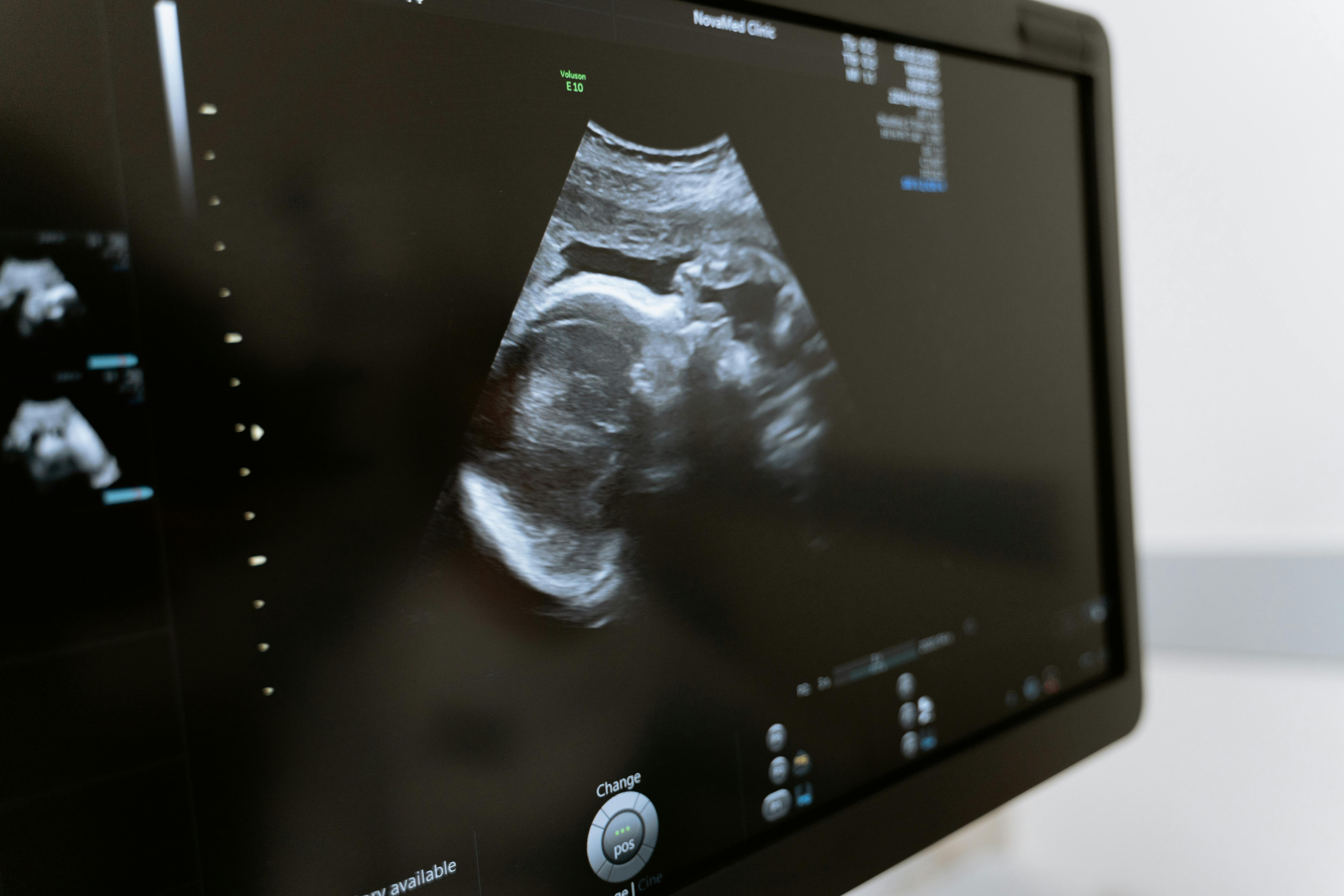
In a groundbreaking development, a fetus has been successfully treated for a rare genetic disease while still in the womb. This achievement marks a pivotal moment in medical science, offering new hope for families affected by conditions that were once considered untreatable before birth. The condition at the center of this breakthrough is spinal muscular atrophy (SMA), a devastating genetic disorder that typically leads to early childhood death.
In this case, the treatment not only saved a child’s life but also demonstrated the potential of prenatal therapies to tackle genetic diseases long before symptoms appear. By intervening in the womb, doctors were able to give this child a fighting chance — something that was once thought impossible. Now, at nearly three years old, the child shows no signs of SMA, thanks to an innovative treatment that could reshape the future of genetic disease management.
What is Spinal Muscular Atrophy?

Spinal muscular atrophy (SMA) is a genetic disorder that affects the motor neurons—the nerve cells responsible for controlling muscle movements. Without proper function of these neurons, muscles gradually weaken and shrink. The condition is caused by mutations in the SMN1 gene, which is crucial for producing a protein needed to keep motor neurons healthy. When this gene is faulty, the body can’t make enough of the survival motor neuron (SMN) protein, leading to muscle degeneration.
There are several types of SMA, but the most severe form, SMA type 1, strikes infants shortly after birth. This type causes rapid muscle weakness, affecting vital functions like swallowing and breathing. Tragically, without treatment, infants with SMA type 1 often don’t survive past their second birthday. In fact, it’s one of the leading genetic causes of death in infants and young children.
The impact of SMA is not just clinical—it’s personal. Take, for example, the parents of the child involved in this groundbreaking treatment. They had already lost one child to SMA type 1, and genetic testing during their second pregnancy revealed that their unborn baby was also at risk. With this knowledge, they sought out experimental treatments, hoping to break the cycle of heartache and give their new baby a better chance at life.
Until recently, the only available treatments for SMA were given after birth, but they came with limitations, especially since the disease’s symptoms often appear early. This made early intervention essential, but also more difficult. That is, until the possibility of treating the condition in the womb became a reality.
Treating SMA in the Womb
The treatment process for this groundbreaking case of spinal muscular atrophy (SMA) began in the third trimester of pregnancy, a crucial time when fetal development is highly sensitive to environmental influences and medical interventions. The drug Risdiplam, already known for its effectiveness in postnatal care, was adapted for prenatal use under exceptional circumstances, marking a significant step forward in fetal medicine.
Administering Risdiplam to a pregnant mother required careful consideration and meticulous planning. The medical team initiated the treatment at 32 weeks of gestation, a stage when the fetus is sufficiently developed yet still benefits significantly from prenatal therapeutic interventions. The mother took Risdiplam daily, with the dual goal of reaching the developing fetus through the placenta and preemptively increasing the SMN protein levels before the baby’s birth.
Following the delivery, the newborn underwent immediate medical evaluation to assess the initial impact of the prenatal treatment. The administration of Risdiplam continued with the infant receiving the drug orally about one week after birth, a crucial continuation designed to maintain and boost SMN protein production as the baby transitioned to postnatal life.
This integrated approach—spanning prenatal and postnatal phases—ensured a seamless therapeutic continuum that aimed to stabilize and then improve motor functions from the earliest possible moment. The dosages and administration schedule were carefully calibrated to the infant’s developing physiology, with regular assessments to monitor efficacy and adjust treatment as needed.
The Journey of In-Utero SMA Treatment

With approval from the FDA, the mother began taking risdiplam during the final six weeks of her pregnancy, a window of time when the baby’s motor neurons were particularly vulnerable. The treatment was closely monitored to ensure its safety and effectiveness, with the baby receiving the benefit of increased SMN protein production even before birth.
At birth, the child was found to have higher-than-expected levels of SMN protein and less nerve damage than is typically seen in newborns with SMA type 1. These early signs were encouraging, suggesting that the prenatal treatment had successfully provided some protection against the muscle degeneration that characterizes the disease.
Once born, the baby continued to take risdiplam orally, as prescribed, with the goal of maintaining motor neuron health and preventing further progression of the disease. Over the following months, doctors closely monitored the child’s development, checking for any signs of SMA-related symptoms. The results were remarkable: as of now, at nearly three years old, the child has shown no signs of SMA. This is an extraordinary outcome, given that children with SMA type 1 typically experience severe muscle weakness and difficulty with basic functions such as breathing and swallowing, often leading to death before the age of two.
Despite this success, the journey doesn’t end here. Medical experts continue to monitor the child’s progress closely, recognizing that while the initial results are promising, ongoing treatment with risdiplam may be required for the child’s lifetime to ensure continued motor neuron support. However, the positive response so far offers hope for a future where genetic diseases can be treated even before birth, drastically altering the prognosis for affected children.
Experts Weigh In

The success of this treatment has really caught the attention of experts, including Dr. Richard Finkel from St. Jude Children’s Research Hospital. He couldn’t hide his excitement, saying, “It’s a huge breakthrough. To see a child show no signs of SMA after being treated before birth? That’s something we’ve never seen before, and it opens up so many possibilities for other genetic conditions.”
Of course, while the results are incredible, experts remind us this is just the first step. There’s still a lot to learn, especially about how this can help more kids or other conditions in the future. Dr. Finkel shared, “We’re hopeful that future studies will show whether this approach can help even more children or work for other genetic diseases.”
What’s clear is that this treatment has the potential to change how we look at genetic diseases. If more research confirms what we’ve seen so far, it could completely shift the way we approach these conditions, giving families hope long before their children are even born.
Hope for Families Affected by SMA
The successful treatment of a fetus for spinal muscular atrophy (SMA) while still in the womb is nothing short of a miracle. It’s a breakthrough that offers hope to families who have long faced the heartbreaking reality of losing a child to genetic diseases. This achievement doesn’t just mark a scientific triumph—it represents a future where life-threatening conditions can be prevented before they even begin.
While this is only the beginning, the possibilities are overwhelming. If this approach can be applied to other genetic disorders, it could transform the lives of countless children, giving them a healthy start they never would have had otherwise. For now, the story of this child, who is thriving without any signs of SMA, is a powerful reminder that when science and compassion come together, incredible things can happen.
Ultimately, this pioneering achievement not only marks a new era in treating genetic diseases but also highlights the extraordinary capacity of medicine to alter lives profoundly—before they’re even fully begun.
